In modern vehicles, electrical reliability is vital for safety, performance, and efficiency. The crimping process—which connects wires and terminals by mechanical compression—is a cornerstone of automotive wiring harness production. Optimizing this process is essential to ensure secure, consistent, and durable electrical connections across different vehicle systems.
1. Understanding the Automotive Crimping Process
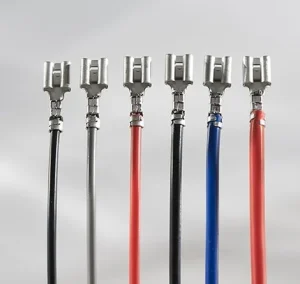
Crimping involves compressing a metal terminal around a conductor to form a strong electrical and mechanical bond. Unlike soldering, crimping creates a gas-tight connection without heat, making it ideal for mass production in automotive environments where vibration resistance, temperature stability, and corrosion protection are critical.
Optimizing the crimping process ensures that every connection meets performance standards and withstands long-term operational stress. Poorly optimized crimps can result in intermittent signals, voltage drops, or complete electrical failure in vehicles.
2. Key Factors Affecting Crimping Quality
- Tool and Mold Precision
Using the correct crimping mold (die set) and properly maintained equipment is the foundation of quality. The crimping die must match the terminal design, wire gauge, and insulation thickness precisely.
- Select the right tool:Use professional-grade crimping machines suited for automotive terminals.
- Perform regular calibration:Worn dies and misaligned tools lead to inconsistent compression force and unreliable crimps.
- Automate where possible:Automated crimping systems improve repeatability, minimize human error, and increase production efficiency.
- Material Compatibility
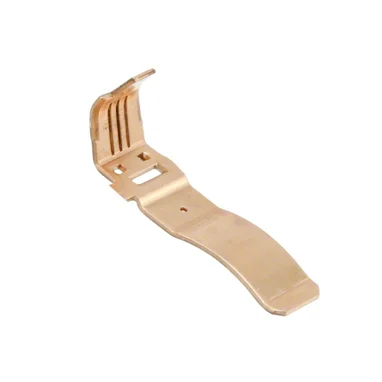
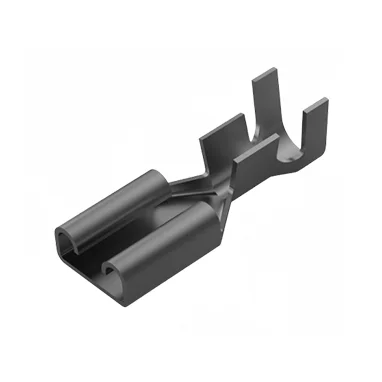
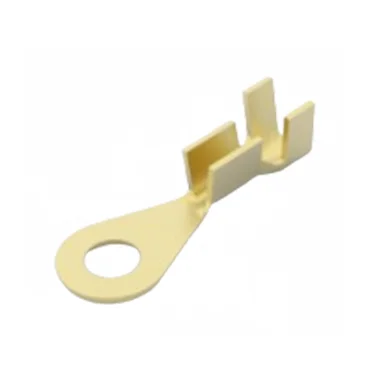
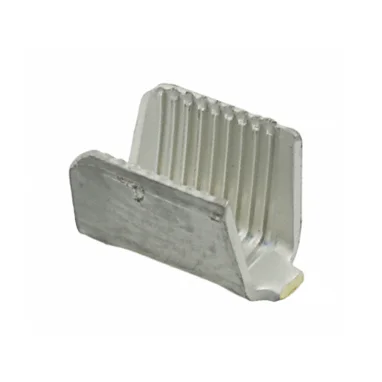
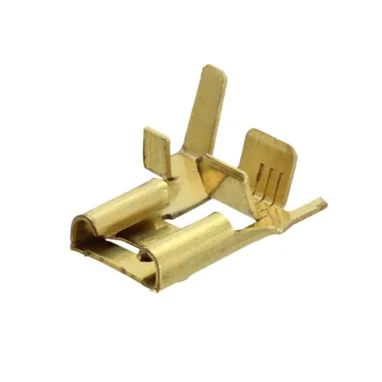
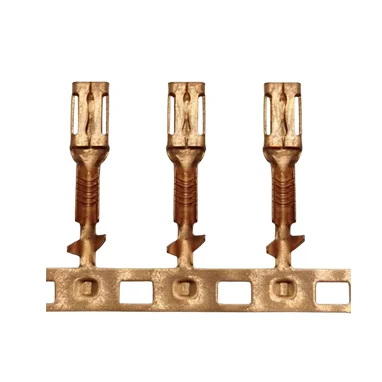
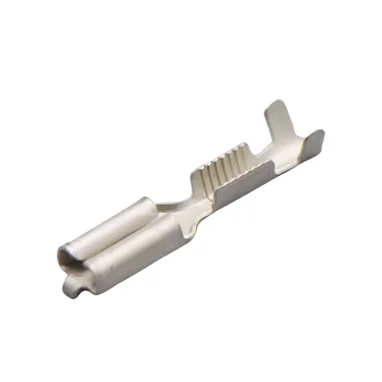
Ensure that wire and terminal materials are compatible. High-quality automotive terminals from GVEI are made from copper or brass and often plated with tin or nickel to improve corrosion resistance and conductivity.
Follow the manufacturer’s specifications for:
- Wire cross-sectional area
- Terminal crimp barrel size
- Insulation support design
Material mismatch or off-spec components can lead to high resistance, weak mechanical strength, and long-term failure.
- Crimping Parameters
Key parameters such as crimp height, width, and force must be precisely controlled.
- Crimp height:Determines the density of the conductor compression. Too high leads to loose connections; too low causes wire damage.
- Crimp force:Use crimp force monitors (CFM) to detect variations in real time.
- Crimp speed:Maintain consistent cycle speeds to balance productivity and quality.
Consistent parameter control is critical to achieving repeatable, defect-free crimps that meet IATF 16949 automotive standards.
3. Quality Control and Inspection
- Visual and Dimensional Inspection
Regular inspections help identify early-stage process issues. Check for:
- Proper wire insertion depth
- No visible strand loss or insulation in the conductor crimp
- Uniform crimp shape and no cracks in the barrel
- Cross-Section Analysis
A cross-sectional analysis of a crimped terminal reveals conductor compaction, strand deformation, and gas-tightness. GVEI recommends performing microscopic inspections during process validation and after tool changes.
- Mechanical and Electrical Testing
Perform periodic pull tests and electrical resistance measurements:
- Pull-out strength:Ensures mechanical integrity under vibration or load.
- Contact resistance:Confirms stable electrical conductivity.
- Data Monitoring and Statistical Control
Use process monitoring and SPC (Statistical Process Control) to track crimp force, defect rates, and tool wear trends. Real-time data analysis helps identify deviations quickly and reduce rework or scrap.
4. Operator Training and Process Discipline
Even with advanced automation, skilled operators remain essential.
- Comprehensive training:Operators should understand crimping principles, terminal characteristics, and inspection criteria.
- Regular refreshers:Update training based on new materials, tooling, or customer requirements.
- Quality mindset:Encourage technicians to identify process deviations early and maintain strict adherence to operating procedures.
A well-trained workforce ensures that every crimped connection meets the highest quality expectations in automotive production.
5. Leveraging Technology and Automation
Modern crimping systems increasingly rely on automation and intelligent monitoring:
- Automated crimping machinesmaintain uniform compression and higher throughput.
- Real-time monitoring sensorsdetect anomalies such as insufficient crimp force or terminal misalignment.
- Digital data loggingsupports traceability and continuous improvement initiatives.
By integrating automation and digital quality management, manufacturers can maintain consistent standards and reduce process variability.
6. Continuous Improvement and Troubleshooting
Continuous improvement is the foundation of process excellence.
- Identify and resolve root causesof defects such as loose crimps, wire pull-out, or insulation damage.
- Implement corrective actionsand update standard operating procedures.
- Collaborate with experienced supplierslike GVEI for technical support, crimping mold optimization, and custom terminal solutions.
Through systematic improvement and supplier collaboration, manufacturers can maintain long-term stability and reduce production costs.
Partner with GVEI for Reliable Automotive Crimp Terminals
As a trusted automotive terminal manufacturer, Jingu Auto Parts Co., Ltd. (GVEI) provides complete solutions for crimp terminals, precision molds, and customized connector systems. With advanced production equipment and strict IATF 16949-certified quality control, GVEI ensures every terminal delivers excellent mechanical strength, conductivity, and durability.
Whether you’re optimizing your crimping line or developing new vehicle wiring systems, GVEI’s engineering expertise and product quality can help you enhance reliability, efficiency, and customer satisfaction.
📧 Email: alltrade@gvei.com
🌐 Website: www.gvei.com
☎️ Phone: +86 15058771812