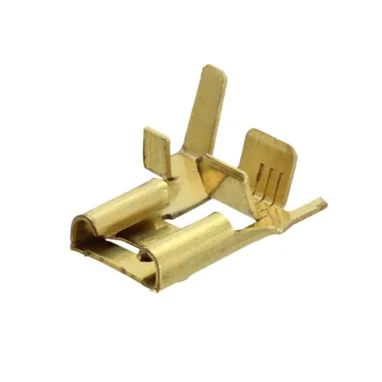
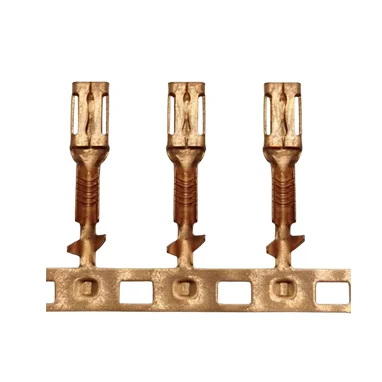
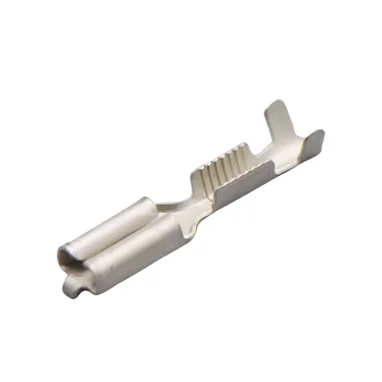
Surface quality has become one of the most important standards in automotive stamping production. Stamping parts are widely used in vehicle structures, electrical systems, and small precision components. Many of these parts will later go through welding, painting, or assembly processes. Because of this, even a small surface defect can affect the quality of the final product.
In modern stamping workshops, equipment and automation levels have improved significantly. However, surface defects still appear during production. These problems are not only related to equipment but also to raw materials, handling methods, and the working environment. Understanding the most common defects and their root causes can help manufacturers improve production stability and reduce quality risks.
Why Surface Defects Still Occur in Modern Stamping Production
Before looking at specific defects, it is helpful to understand why these problems still occur even in advanced production lines. Stamping is a high-speed process that depends on stable materials, clean equipment, and accurate tooling. When one of these factors changes, surface defects can easily appear.
At the same time, stamping parts are often handled many times during production. They move from material feeding to forming, then to inspection, transportation, and storage. During these steps, parts may come into contact with equipment surfaces, pallets, or other parts. If the working environment is not well controlled, small particles or mechanical damage may affect the surface quality.
Surface Dents: One of the Most Common Defects
Among all surface defects, dents are one of the most common problems in automotive stamping. A dent usually appears when a small particle is pressed between the sheet metal and the die surface. Even a very small particle can leave a visible mark after the stamping process.
These particles may come from dust, metal fragments, or foreign objects attached to the material surface. In some cases, dents may also appear if the die surface is not clean. Because dents directly affect the appearance of the product, they often lead to rejection in quality inspection.
Scratches and Surface Marks During Production
Another common issue in stamping production is scratches. Unlike dents, scratches are usually caused by friction rather than pressure. When sheet metal moves along feeding rollers or conveyor belts, the surface may be damaged if the equipment is worn or not clean.
Scratches may also appear during handling and transportation. If parts are stacked without proper protection, the surface of one part may rub against another. In addition, damaged pallets or containers can easily create scratches on stamping parts. Although some scratches may look minor, they can still affect painting and assembly quality.
Periodic Indentation and Repeated Surface Defects
Some surface defects appear in a repeated pattern rather than randomly. This type of problem is often called periodic indentation. It usually happens when a feeding roller or another rotating part has a particle attached to it. As the roller rotates, the same particle presses on the material again and again, creating repeated marks on the surface.
This type of defect is difficult to detect at the beginning because it may only appear after a large number of parts have been produced. Once discovered, production must often stop so the equipment can be inspected and cleaned. Therefore, regular equipment maintenance is very important in stamping production.
Oil Contamination and Surface Pollution
In addition to mechanical damage, surface contamination is also a common problem. Oil stains, paint particles, and other contaminants may attach to stamping parts during production. These contaminants usually come from lubrication systems, equipment surfaces, or the working environment.
Oil contamination may not always be visible at first, but it can create problems in later processes. For example, oil stains can affect welding quality or painting results. Because of this, keeping the production environment clean is an important part of quality control in stamping workshops.
Root Causes Behind Surface Defects
After looking at the main types of defects, it becomes easier to understand their root causes. One major cause is foreign object contamination. Small particles such as dust, metal fragments, or glove fibers can easily enter the production process and attach to the material surface.
Tooling wear is another important factor. When dies and feeding equipment are used for a long time, their surfaces may become rough or damaged. This increases the risk of dents and scratches. In addition, improper handling and storage may also create surface problems. If parts are not protected properly during transportation, even high-quality stamped parts may develop defects before they reach the next process.
The Importance of Precision Stamping for Small Automotive Components
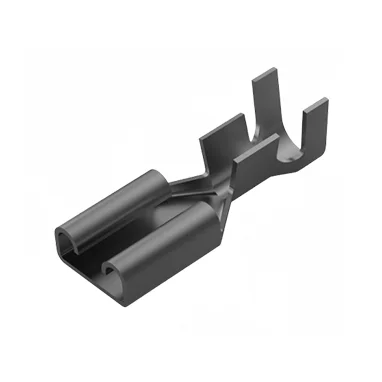
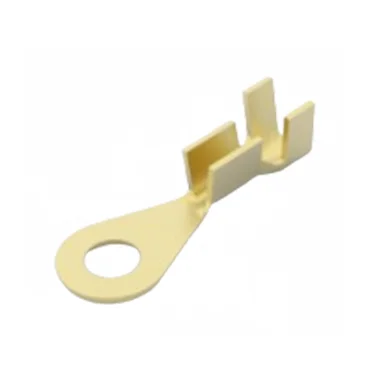
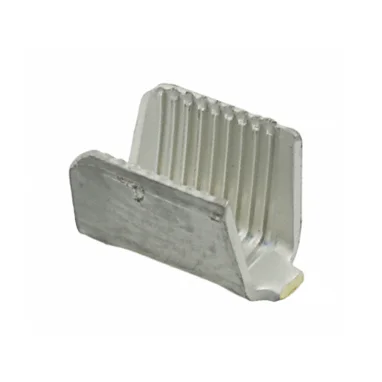
Surface quality is not only important for large body parts. It is also very important for small precision components used in automotive systems. Many electrical and motor-related parts require high precision and smooth surfaces to ensure stable performance.
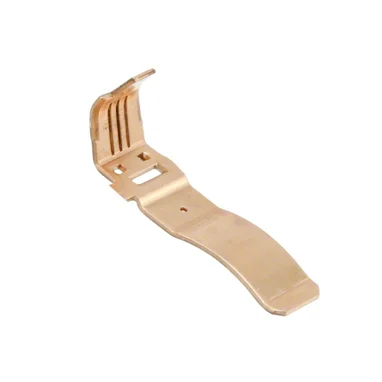
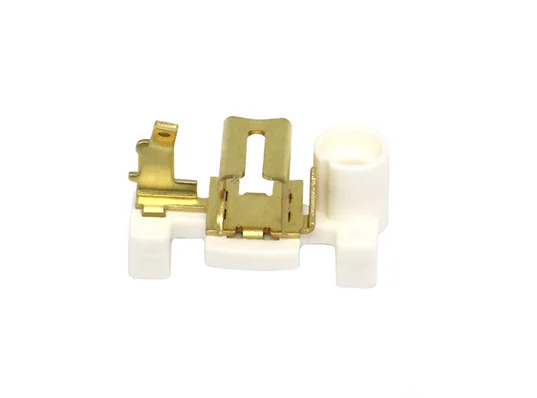
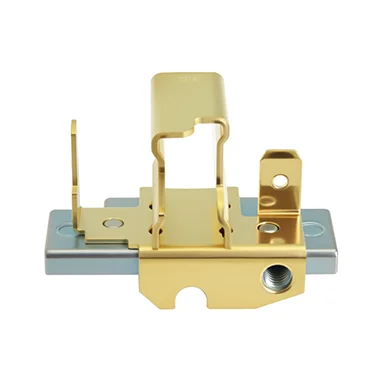
For example, the brush holder produced by Jingu Auto Parts is manufactured using precision stamping technology. This type of product must maintain accurate dimensions and clean surfaces to ensure stable performance in automotive applications. If surface defects such as dents, scratches, or contamination appear during production, the performance and reliability of the part may be affected. Because of this, strict quality control is essential in precision stamping production.
Conclusion
In summary, surface defects in automotive stamping parts are still a common challenge in modern manufacturing. Dents, scratches, periodic marks, and contamination are among the most typical problems found in stamping production. These defects are usually caused by foreign objects, equipment wear, or improper handling during production and storage.
By improving equipment maintenance, keeping the working environment clean, and strengthening quality control during handling and transportation, manufacturers can significantly reduce the risk of surface defects. At the same time, using precision stamping technology and working with experienced suppliers can help ensure consistent product quality.
If you are looking for a reliable automotive parts manufacturer, Jingu Auto Parts provides high-quality precision stamping components for a wide range of automotive applications. From small precision parts such as brush holders to other custom metal stamping solutions, we are committed to delivering stable quality and dependable performance. Contact Jingu Auto Parts today to learn more about our automotive stamping capabilities and how we can support your projects.