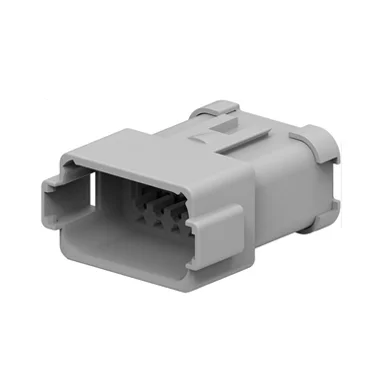
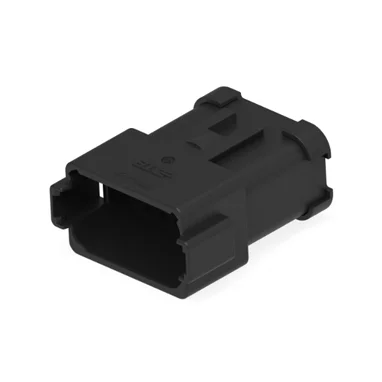
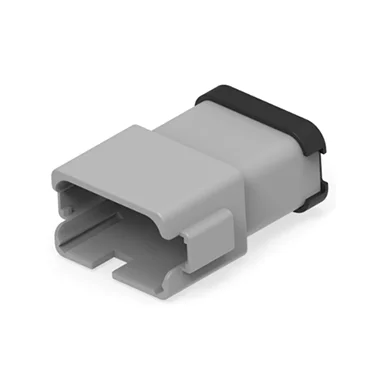
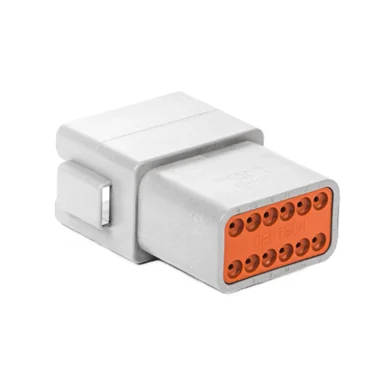
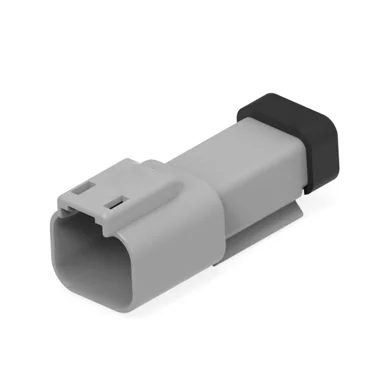
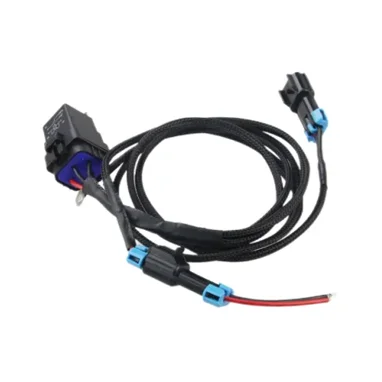
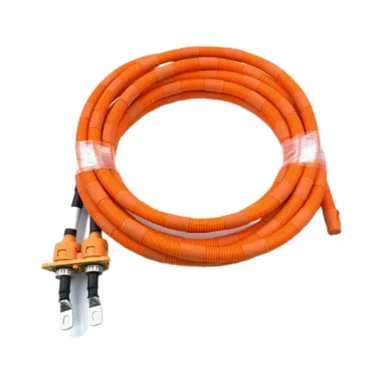
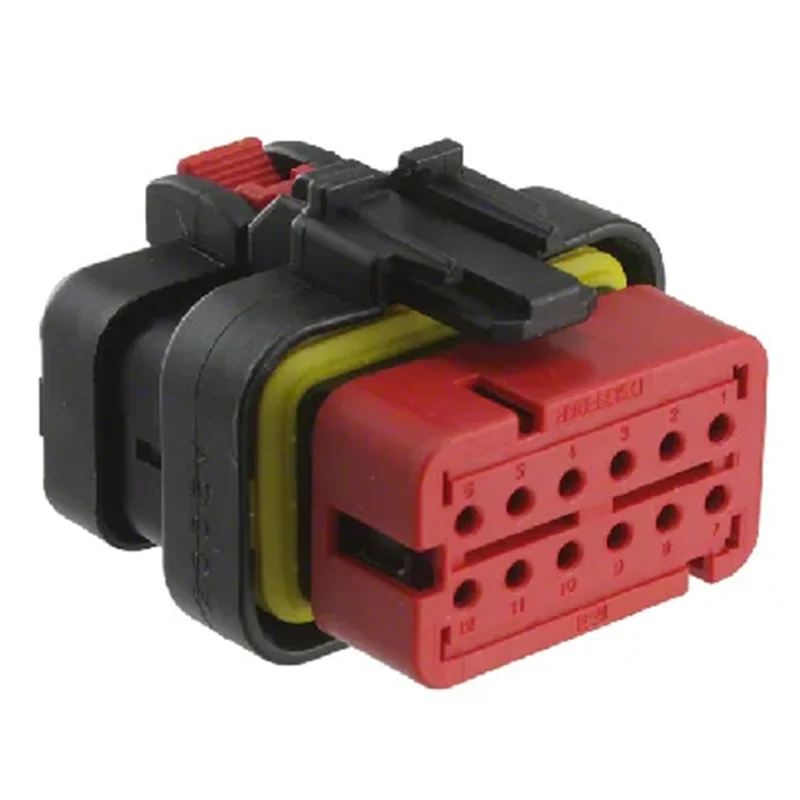
In modern vehicles, electrical systems are becoming more complex, and reliable connections are essential for both power delivery and signal transmission. Automotive connectors play a key role in linking different components, ensuring that current and data flow smoothly across the system.
At the heart of every connector are two essential parts: terminals and housings. While terminals are responsible for electrical conduction, housings provide mechanical support and protection. Together, they form a complete system that ensures stable and safe operation.
Terminals: The Core of Electrical Performance
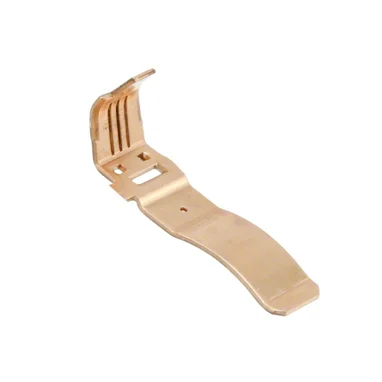
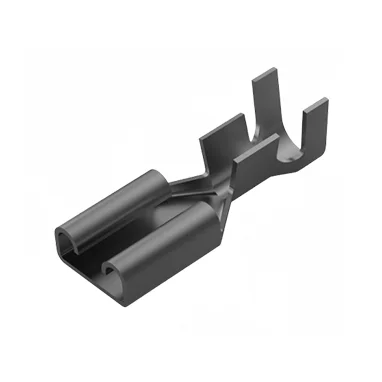
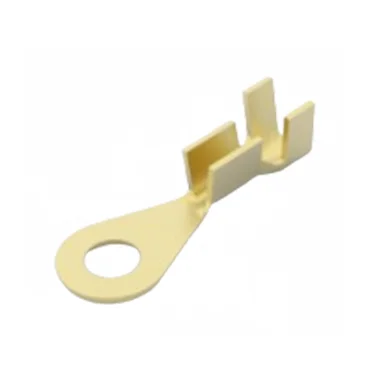
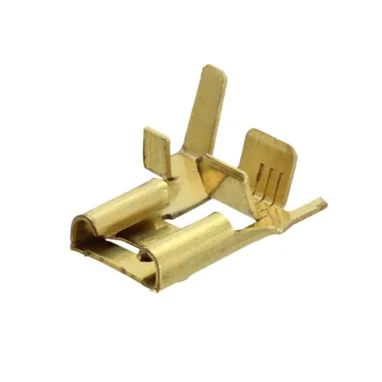
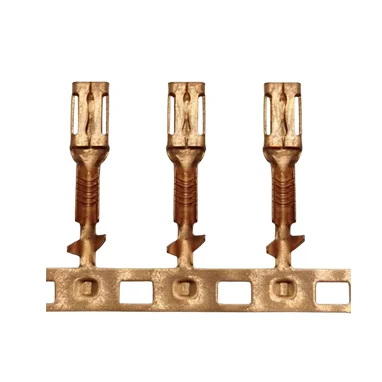
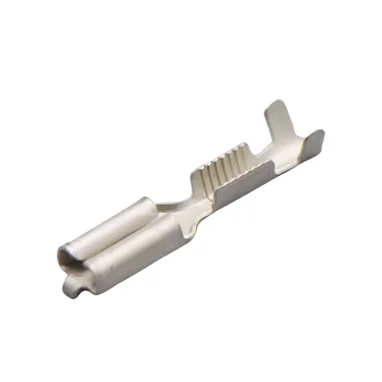
When looking at autom0tive connector performance, terminals are the primary carriers of current and signals. Most automotive terminals are made from copper alloys such as brass or phosphor bronze, which offer high conductivity and good mechanical strength.
In addition, surface plating is often applied to improve performance. Materials like tin, gold, or silver help reduce contact resistance and protect the terminal surface from oxidation. As a result, terminals can maintain stable electrical performance even under long-term use.

Housings: The Foundation of Mechanical Protection
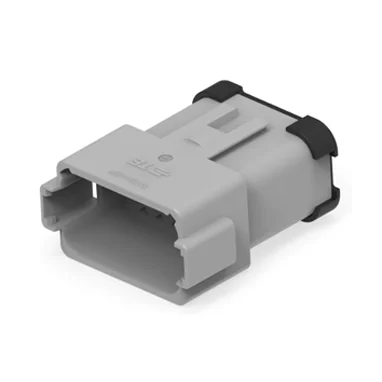
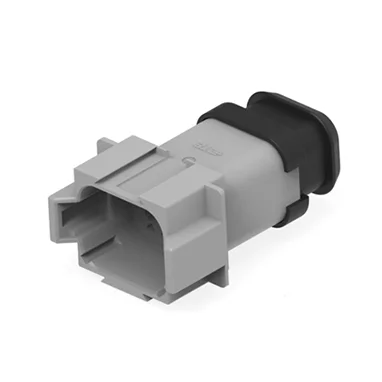
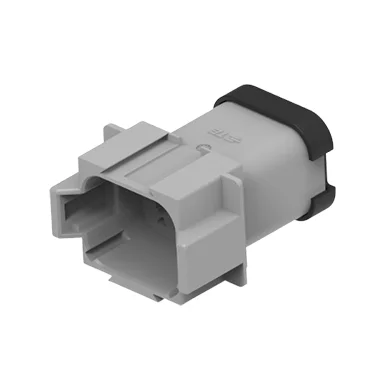
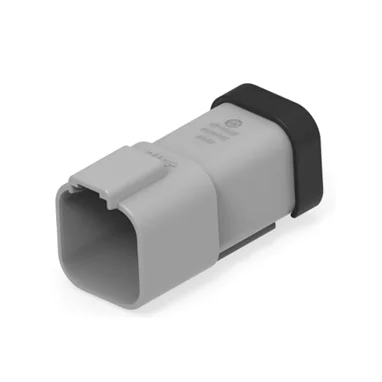
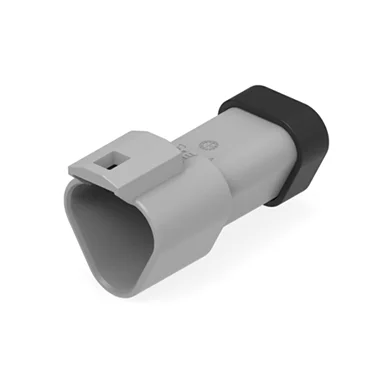
While terminals handle electricity, housings provide the structural framework that keeps everything in place. Typically made from engineering plastics such as PA66 or PBT, housings offer insulation and protection in various working environments.
More importantly, housings shield terminals from dust, moisture, and temperature changes. This protection helps maintain the stability of electrical connections and prevents external factors from affecting performance.
How Terminals and Housings Work Together
Although terminals and housings serve different functions, they are closely connected in real applications. A connector cannot perform properly without both components working together.
On one hand, terminals need precise positioning to ensure proper contact. On the other hand, housings provide the structure that holds terminals in place and guides the connection process. This cooperation ensures that connectors deliver both electrical reliability and mechanical stability.
Key Functions of Terminal and Housing Integration
Accurate Positioning for Stable Contact
Inside the housing, specially designed slots and ribs hold each terminal in a fixed position. This design ensures that when connectors are mated, the terminals align correctly and maintain consistent contact. Without this positioning, even small misalignment could lead to poor conductivity or signal loss.
Mechanical Retention and Anti-Loosening
In real vehicle conditions, connectors are exposed to vibration and movement. To address this, housings use locking structures such as primary locks and secondary locks to secure terminals. These features prevent terminals from loosening or shifting over time.
Environmental Protection for Long-Term Reliability
Another important function of the housing is environmental protection. By isolating terminals from moisture, dust, and corrosive substances, the housing reduces the risk of oxidation and corrosion. In demanding environments, sealing designs can further improve protection levels.
Guided Mating to Reduce Wear
During assembly and maintenance, connectors are repeatedly plugged and unplugged. Housings include guiding features that help align the connector halves during mating. This reduces mechanical wear on terminal contact surfaces and extends service life.
Electrical Insulation and Safety
Safety is also a key consideration in connector design. Since housings are made of insulating materials, they separate conductive terminals and prevent short circuits or electrical leakage. This is especially important in high-voltage or high-current applications.
Service Life: Why Housings Often Limit Durability
Material Differences and Lifespan
From a material perspective, terminals and housings have very different lifespans. Metal terminals made from copper alloys can remain stable for many years under normal conditions. In contrast, plastic housings are subject to aging processes such as thermal and environmental degradation.
As a result, housings often have a shorter natural lifespan compared to terminals.
Impact of Real Working Conditions
In practical use, connectors face challenges such as temperature changes, vibration, and humidity. These factors affect housings more significantly than terminals. For example, repeated temperature cycles can cause plastic deformation, while vibration can weaken locking structures.
Meanwhile, terminals are generally more resistant due to their metal properties and protective plating.
Failure Modes and Their Interaction
Housings and terminals also differ in how they fail. Housing failures are usually structural, such as cracks or broken locks, and often lead to immediate loss of function. In contrast, terminal failures tend to develop gradually, such as increased contact resistance or wear.
In many cases, housing failure can cause terminals to lose alignment or protection, leading to secondary issues such as poor contact or corrosion.
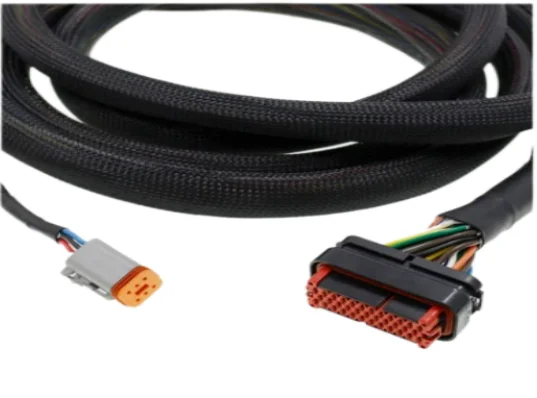
Practical Insight: Relevance to Automotive Stamping Parts
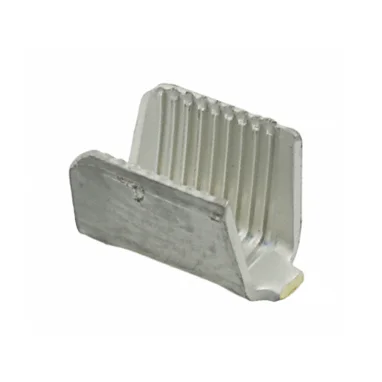
The principles of connector design are also relevant to other automotive components, especially stamped metal parts that perform conductive or structural roles. For example, brush holders used in electrical systems require precise stamping, clean surfaces, and reliable material properties.
Since these components often interact with conductive elements, their quality directly affects electrical performance and mechanical stability. Maintaining clean surfaces and consistent dimensions during stamping is essential to avoid performance issues.
Conclusion: Achieving Reliable and Durable Connections
In automotive connectors, terminals and housings serve different but equally important roles. Terminals ensure efficient electrical transmission, while housings provide positioning, protection, and safety. Their cooperation is essential for achieving reliable performance in complex vehicle systems.
At the same time, the overall durability of a connector is often influenced by the housing, as it is more sensitive to environmental and mechanical stress. Therefore, careful design, material selection, and manufacturing control are critical to ensuring long-term reliability.
Jingu Auto Parts is a trusted automotive parts manufacturer specializing in high-precision metal stamping components, including brush holders and connector-related parts. With strong capabilities in material selection, surface treatment, and structural design, Jingu delivers reliable solutions that meet the demanding requirements of modern automotive applications.
Contact Jingu Auto Parts today to explore customized solutions for your automotive connector and stamping component needs.