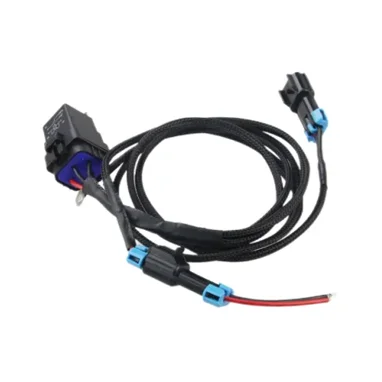
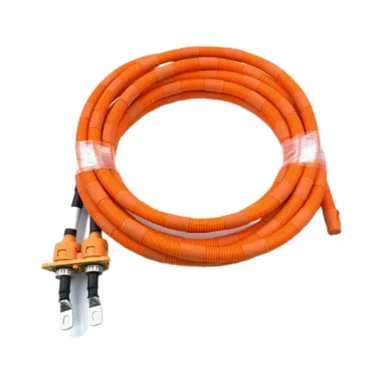
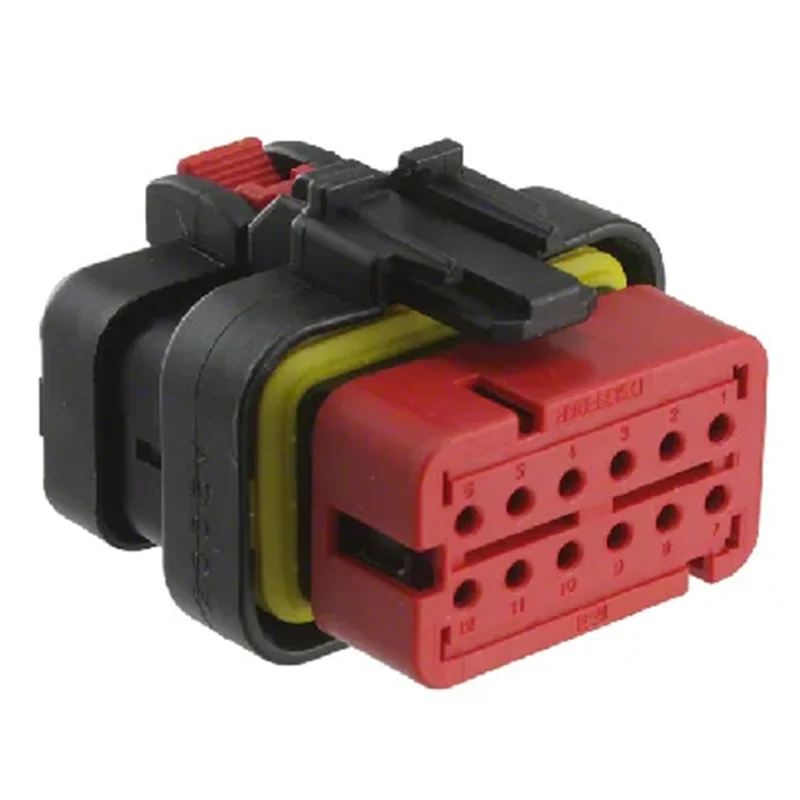
Automotive wiring harnesses are the central nervous system of a vehicle’s electrical network, enabling communication and power distribution among critical components. Without a properly designed and installed wiring harness, a car’s electronic systems would be unable to function. From engine management to lighting, wiring harnesses ensure seamless operation by connecting the vehicle’s various electrical parts. This article explores the process of arranging automotive wiring harnesses, their design, materials, and the essential role they play in modern automobiles, ensuring both performance and safety.
Automotive wiring harness arrangement
Before arranging the wiring harness, you need to draw a wiring harness diagram, which is not the same as a circuit schematic. A wiring schematic is a picture of the relationship between the electrical parts, it does not reflect how the electrical parts are connected to each other, and is not affected by the size and shape of the electrical components or the distance between them. A wiring harness diagram, on the other hand, must take into account the size and shape of the electrical components and the distance between them, and must also reflect how the electrical parts are connected to each other.
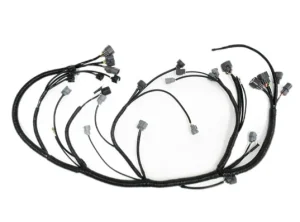
Wiring harness factory technicians according to the wiring harness diagram made of wiring harness wiring board, the workers will be in accordance with the provisions of the wiring board to cut the line line line. The main wiring harness of the whole car is generally divided into the engine (ignition, EFI, power generation, starting), instrumentation, lighting, air conditioning, auxiliary appliances and other parts of the main wiring harness and branch wiring harness. An entire vehicle main harness has multiple branch harnesses, just like a tree pole and branches. The main wiring harness of the whole vehicle often takes the instrument panel as the core part and extends front and back. Due to the length of the relationship or ease of assembly and other reasons, the wiring harness of some cars is divided into the front wiring harness (including instrumentation, engine, front light assembly, air conditioning, battery), the rear wiring harness (taillight assembly, license plate light, luggage compartment light), the roof wiring harness (doors, roof lights, audio speakers) and so on. Wiring harness on each end will be marked numbers and letters to indicate the connection object of the wire, the operator sees the sign can be properly connected to the corresponding wires and electrical devices, which is particularly useful in the repair or replacement of the wiring harness. At the same time, the color of the wire is divided into single-color wire and two-color wire, the use of the color is also stipulated, usually the car factory self-defined standards. Our industry standards only specify the main color, for example, the provisions of the single black dedicated to the hitch wire, red monochrome for the power cord, not to be confused.
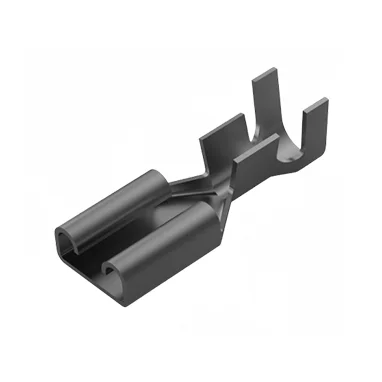
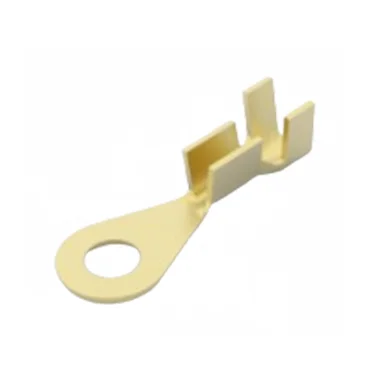
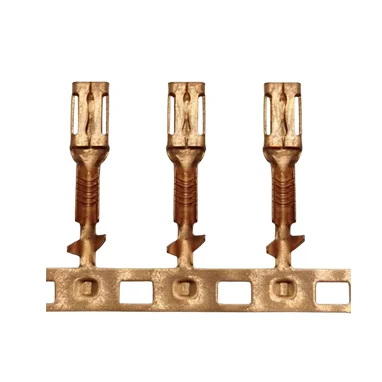
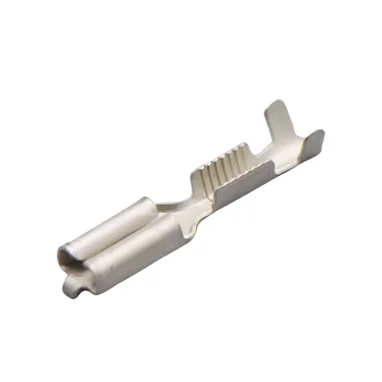
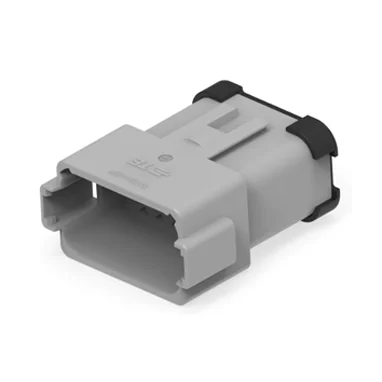
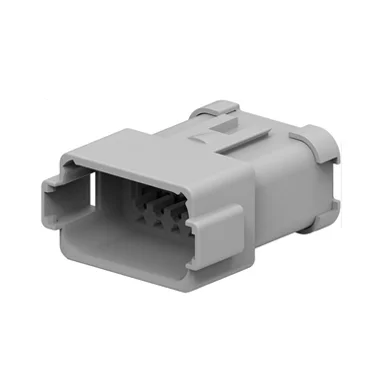
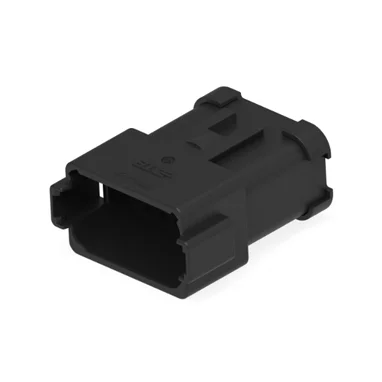
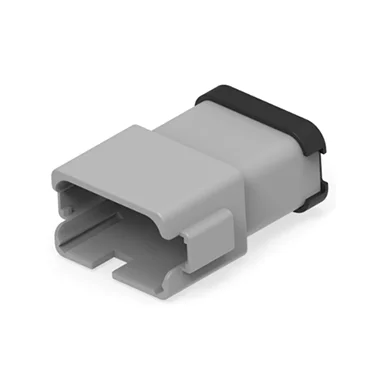
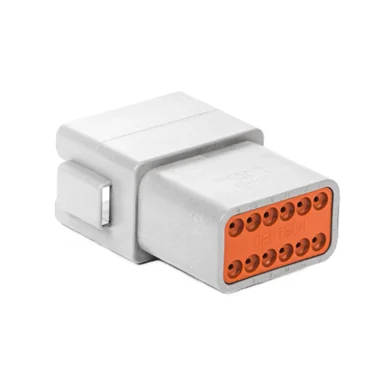
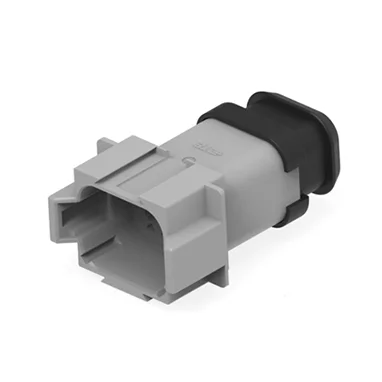
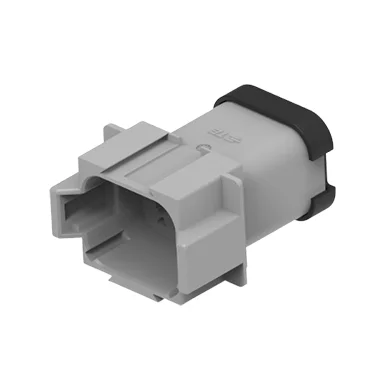
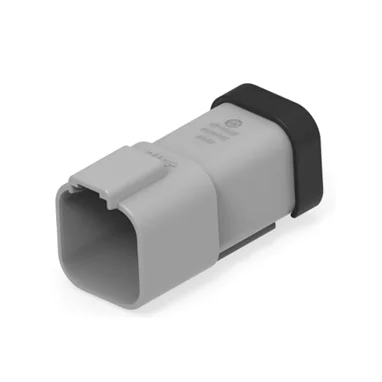
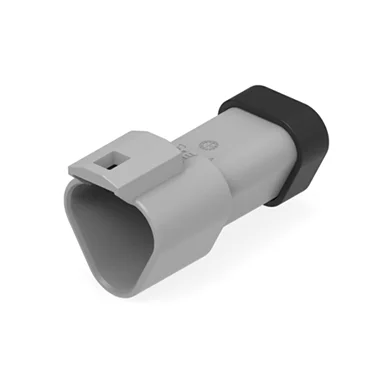
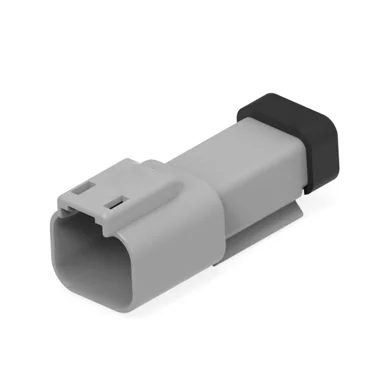
Wiring harness with woven wire or plastic sticky tape package, for safety, processing and maintenance convenience, woven wire package has been eliminated, is now wrapped in sticky plastic tape. The connection between the wire harness and the wire harness, the connection between the wire harness and the electrical parts, the use of joint inserts or wire lugs. Plugs made of plastic, divided into plugs and sockets. Wire harnesses are connected to each other with plugs, and wire harnesses are connected to electrical parts with plugs or lugs.

Function
In modern automobiles, automotive wiring harnesses are particularly numerous, electronic control systems and wiring harnesses have a close relationship. Some people once played a figurative analogy: if the microcomputer, sensors and the function of the executive element with the human body to the analogy, it can be said that the microcomputer is equivalent to the human brain, the sensor is equivalent to the sensory organs, the executive element is equivalent to the organ of the movement, then the wiring harness is the nerves and blood vessels.
Automotive wiring harness is the main body of the network of automotive circuits, connecting the electrical and electronic components of the car and make it function, there is no wiring harness there is no automotive circuit. At present, whether it is a high-level luxury cars or economic ordinary cars, the wiring harness is basically the same form, are composed of wires, plug-ins and wrapping tape, which should ensure that the transmission of electrical signals, but also to ensure the reliability of the connection circuit, to the supply of electronic and electrical components to the current value of the provisions of the circuit, to prevent electromagnetic interference with surrounding circuits, and to exclude electrical short-circuits.
Automotive wiring harness from the function, there are two kinds of power lines and signal lines that carry the power to drive the executive element (actuator) and transmit the sensor input instructions. Power line is a thick wire to transport large currents, while the signal line is a thin wire that does not carry electricity (optical fiber communication); for example, the signal circuit with a wire cross-sectional area of 0.3, 0.5mm2.
In the motor, the wire cross-sectional area of the executive element with 0.85, 1.25mm2, while the power circuit with a cross-sectional area of 2, 3, 5mm2; and special circuits (starter, alternator, engine grounding wire, etc.) there are 8, 10, 15, 20mm2 different specifications. The larger the cross-sectional area of the wire, the larger the current capacity. Wire selection, in addition to considering the electrical properties, but also by the vehicle when the physical properties of the constraints, so its choice of a wide range. For example, the wires between the frequently opened/closed doors and across the body of a rental car should consist of wires with good flexural properties. For wires used in high-temperature areas, vinyl chloride and polyethylene-coated wires with good insulation and heat resistance are generally used. In recent years, the use of electromagnetically shielded wires for weak signal circuits has also been increasing.
At Jingu, we are dedicated to providing top-tier products that continuously meet the evolving needs of our customers. Over the years, we have successfully developed a diverse range of products, including plastic connectors, relays, control boxes, wiring harnesses, and metal stamping parts, ensuring comprehensive solutions for a variety of applications.