The intake manifold runner control (IMRC) valve plays a vital role in modern vehicle engines, influencing performance, efficiency, and overall driving experience. This article explores how the IMRC valve functions, its importance, common symptoms of failure, and the implications of neglecting this component.
What is an Intake Manifold Runner Valve?
The IMRC valve is a crucial part of the variable intake manifold system. Unlike traditional fixed-length manifolds, which distribute air uniformly to the engine’s cylinders, variable intake manifolds adjust the airflow paths depending on the engine’s speed and load. The IMRC valve controls the flaps or butterfly valves that open and close within the manifold, effectively varying the length of the intake runners. This adjustment allows for optimized airflow, which enhances engine performance at different speeds.

How Does a Variable Intake Manifold Work?
A variable intake manifold operates by changing the length of the intake runners, which can be short or long. At high RPMs, shorter runners improve airflow, creating a tumbling effect that boosts horsepower. Conversely, longer runners provide better torque and fuel economy at lower speeds. The transition between these settings is managed by the IMRC valve, which is controlled by the vehicle’s powertrain control module (PCM). The PCM gathers data from various engine sensors, allowing it to make real-time adjustments to maximize efficiency and performance.
Design and Operation
There are several designs for variable intake manifolds, but most share a common mechanism involving flaps controlled by either an electric or vacuum-operated actuator. In some systems, a solenoid provides the necessary vacuum pressure for the actuator to function. The precise positioning of these flaps is critical, as it directly affects the engine’s air/fuel mixture and overall efficiency.
Symptoms of a Failing IMRC Valve
Recognizing the signs of a failing IMRC valve is essential for maintaining vehicle performance. Common symptoms include:
- Check Engine Light: If the PCM detects a malfunction within the IMRC system, it triggers the check engine light. This is often the first indication to drivers that something is amiss.
- Engine Performance Issues: A faulty IMRC valve can disrupt the air/fuel mixture, leading to a rough-running engine, poor acceleration, and unstable idle conditions.
- Reduced Fuel Economy: The IMRC valve’s primary function is to enhance efficiency. When it fails, you may notice a drop in gas mileage due to improper air intake and combustion issues.
- Difficulty Starting the Engine: In some cases, a malfunctioning IMRC valve may hinder the correct positioning of the butterfly valves, making it challenging to start the engine.
- Engine Misfires: A defective valve can lead to misfires and stalling, which can be particularly concerning during acceleration.

Can You Drive with a Bad IMRC Valve?
While it might be technically possible to drive with a malfunctioning IMRC valve, it is strongly advised against. The potential for increased emissions can cause your vehicle to fail state inspections, and there is a risk of causing further damage to other components, such as the catalytic converter. Addressing the issue promptly is the best course of action to avoid more costly repairs down the line.
Replacement and Maintenance
If you suspect that your IMRC valve is malfunctioning, timely replacement is crucial.
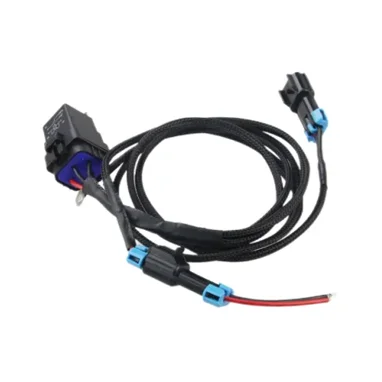
For those modifying or swapping engines, such as in a 92-95 USA model Civic with a B series swap or a 94-01 Integra, consider using the GVEI OEM Engine Harness with Injector/Alternator connectors. This wire harness serves as an ideal replacement for the engine bay harness, resembling an OEM replacement USA model Type R harness. It’s particularly suited for setups with single runner type intake manifolds, ensuring compatibility and enhancing performance.
For inquiries or to place an order, contact us today and experience the Jingu commitment to quality and reliability.