Introduction
As modern automotive technology continues to evolve, vehicles have transformed from purely mechanical systems into highly integrated platforms filled with electronic controls and intelligent features. From the engine control unit (ECU) to infotainment systems, from airbags to autonomous driving sensors—nearly every function relies on a stable and efficient electrical network. At the heart of this network lies the automotive wiring system.
Automotive wiring is more than just a conduit for electricity—it is the backbone of information exchange. It directly impacts vehicle reliability, safety, and longevity. Maintaining performance under extreme conditions, preventing breakage under intense vibration, and avoiding overheating during high-load operations are just some of the challenges that demand careful consideration in wiring design, material selection, and maintenance strategies.
This article provides a comprehensive overview of automotive wiring systems—from their basic components and the key factors affecting reliability to best practices in design optimization and management.
Basic Components and Functions of Automotive Wiring
Conductors and Cables
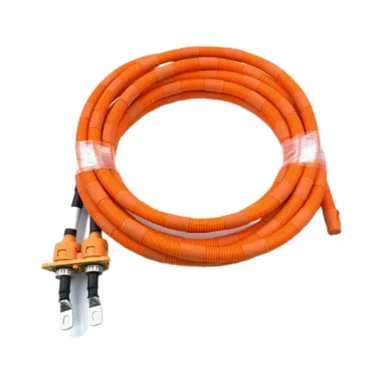
Conductors form the core of any wiring system, responsible for transmitting power and signals. Depending on their application, conductors can be classified as power lines, signal lines, or shielded cables. Copper is the most commonly used material due to its excellent conductivity and malleability. Aluminum is sometimes used for large-gauge power lines where weight and cost savings are priorities.
Cables consist of one or more conductors wrapped in insulation and protective sheathing. Common insulation materials include PVC (polyvinyl chloride), XLPE (cross-linked polyethylene), and Tefzel (a fluoropolymer), each suitable for different temperature ranges and chemical exposure conditions.
Connectors
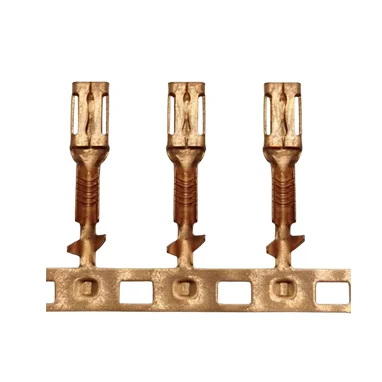
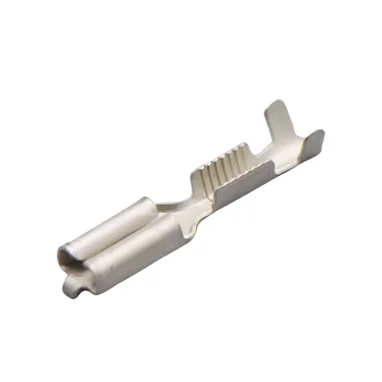
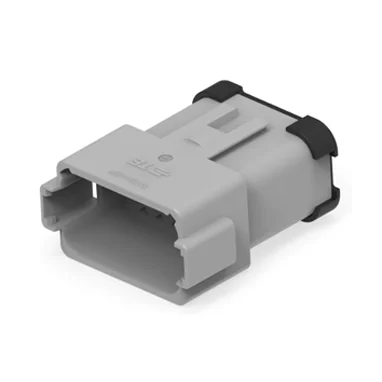
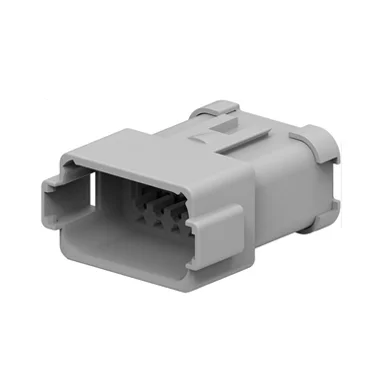
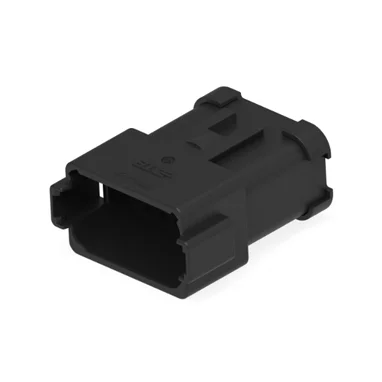
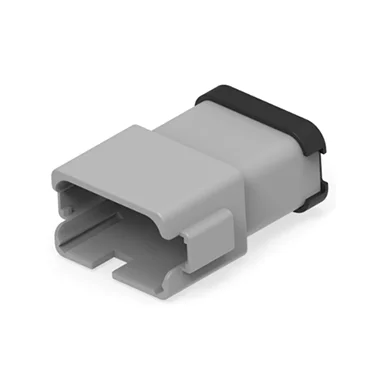
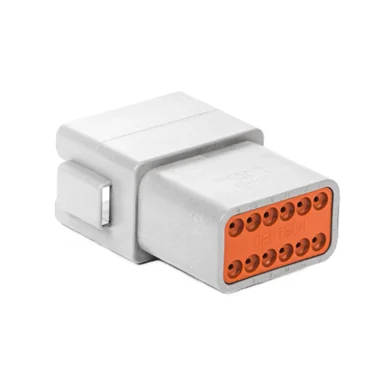
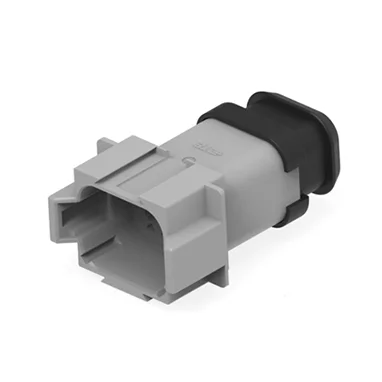
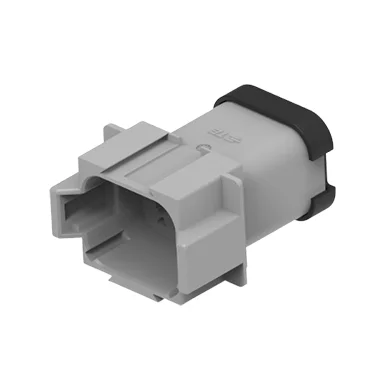
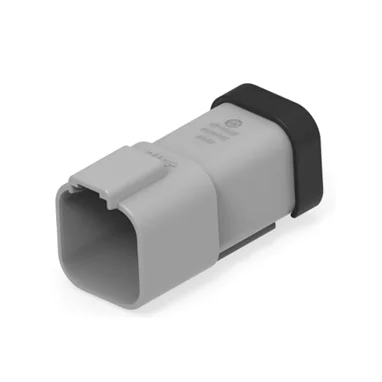
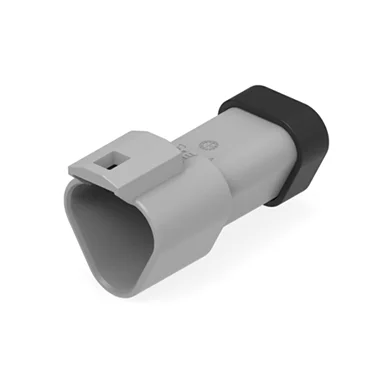
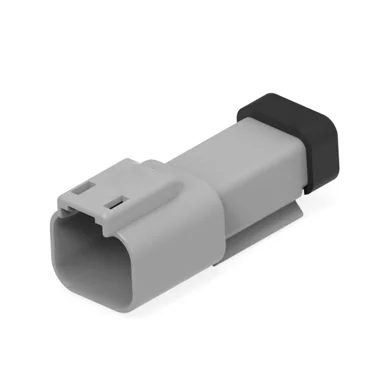
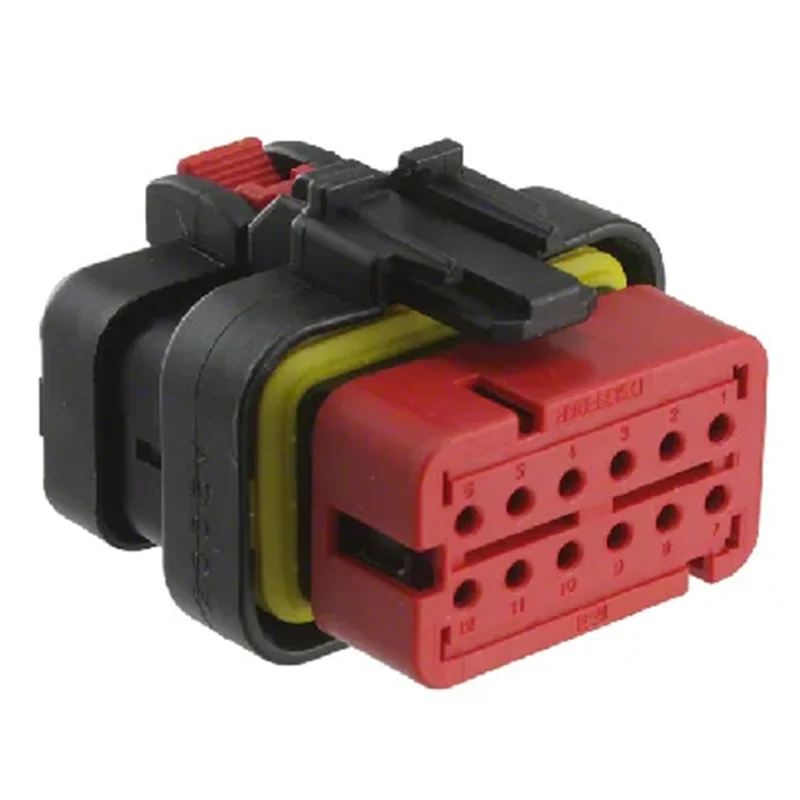
Automotive Connectors allow for removable connections between circuits and are widely used in modular designs. High-quality connectors must offer sealing capabilities, dust and water resistance, and anti-vibration performance. For example, 7-pin plugs are often used in harsh environments like powertrain systems, featuring locking mechanisms and sealing rings to prevent moisture ingress and poor contact.
Relays and Fuses
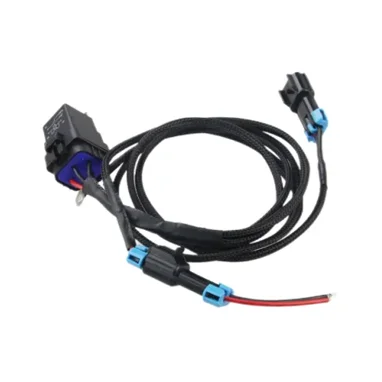
Relays are electromagnetic switches used to control high-power circuits. They allow low-current signals to manage high-current devices such as headlights and air conditioning compressors, thereby enhancing system safety and responsiveness.
Fuses act as the “first line of defense” in a circuit, automatically disconnecting when current exceeds a set threshold to prevent short circuits or overloads from causing fires. Modern vehicles also use electronic fuses (e-fuses), which offer programmable protection through software control.
Key Factors Affecting the Reliability of Automotive Wiring
Environmental Challenges
Temperature Fluctuations
Engine compartments can reach temperatures above 150°C, while winter conditions in cold climates may drop below -40°C. These extremes can cause insulation layers to become brittle, age prematurely, or crack. Therefore, wiring materials must be capable of withstanding wide temperature ranges.
Humidity and Salt Corrosion
In coastal areas or regions where road salt is used during winter, humidity and salt exposure can easily penetrate joints and harnesses, leading to oxidation, corrosion, and eventual disconnection.
Chemical Exposure
Oils, brake fluids, and cleaning agents can degrade insulation over time. To mitigate this, wiring should be routed away from potential leak paths, and materials resistant to oil and solvents should be selected.
Mechanical Stress
Vibration and Wear
Continuous vibration during vehicle operation can cause fatigue damage to loosely secured harnesses. Additionally, routing wires near sharp edges or moving parts increases the risk of wear and breakage.
Improper Installation
Over-tightened zip ties, metal clamps in direct contact with wire jackets, and excessive pulling during installation can all shorten the lifespan of a wiring system or cause immediate failure.
Electrical Load
Prolonged high-current operation generates heat, which can lead to localized overheating, softening of insulation, and potentially short circuits or fire hazards. Proper conductor sizing is essential to ensure that wires can handle expected maximum loads without degradation.
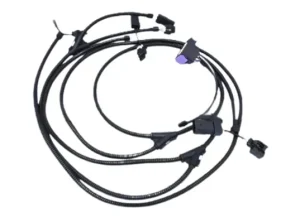
Design Strategies for Optimizing Automotive Wiring Systems
Material Selection
- Conductor Materials: Prioritize tinned copper wires for enhanced corrosion resistance.
- Insulation Materials: Choose appropriate insulation types based on usage area; for example, use heat-resistant materials like XLPE or Tefzel in engine compartments.
- Protective Structures: Employ braided sleeves, corrugated tubing, or armored wraps for sections prone to abrasion.
Routing Strategy
- Path Planning: Avoid high-temperature zones (such as exhaust manifolds), moving components, and liquid spray areas.
- Mounting Methods: Use flexible fasteners like soft-edged zip ties and P-clips to reduce stress concentration.
- Redundancy Design: Incorporate backup circuits for critical systems to improve fault tolerance.
Integration and Modularization
Modern vehicles increasingly adopt integrated wiring architectures, including:
- Central Distribution Boxes: Centralized power management simplifies overall wiring.
- Domain Controller Wiring: Segment wiring by functional zones for easier assembly and maintenance.
- Wireless Power and Data Transmission: Explore alternatives to traditional wiring, such as wireless charging and CAN FD communication, to reduce complexity.
Best Practices in Maintenance and Management
Regular Inspection
- Visual Inspection: Check for discoloration, cracking, burn marks, and signs of connector oxidation.
- Thermal Imaging: Use infrared cameras to detect abnormal heat spots in wires and connections.
- Resistance Testing: Measure resistance across circuits to identify poor connections or open circuits.
Documentation and Record Keeping
Maintain a complete wiring documentation system, including:
- Initial wiring diagrams;
- Modification logs;
- Fault diagnosis and repair records;
- Lifespan assessment reports.
All changes should be promptly updated to ensure future technicians have accurate reference data.
Training and Education
- Train technicians in standard operating procedures, including crimping techniques, connector assembly, and routing methods.
- Promote the use of OEM parts and specialized tools to avoid system failures caused by substandard components.
- Raise awareness among all personnel about the importance of wiring systems to prevent human error at the source.
Conclusion
Although not as visible as an engine or chassis, the automotive wiring system plays an indispensable role in the entire vehicle architecture. It carries both energy and information flow, directly impacting driver safety and vehicle stability.
By selecting appropriate materials, designing intelligently, installing carefully, and maintaining systematically, the reliability and lifespan of wiring systems can be significantly improved. Especially in the context of rapid development in electric vehicles and connected cars, automotive wiring faces unprecedented challenges—and opportunities.
Only by continuously refining design concepts and improving management processes can this seemingly “invisible” system truly become the solid foundation supporting the future of the automotive industry.