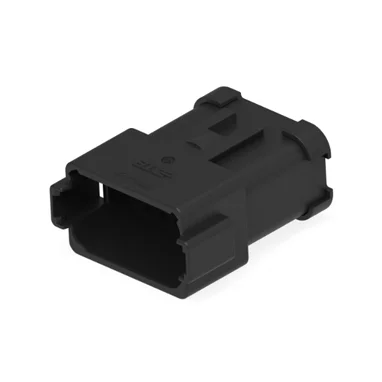
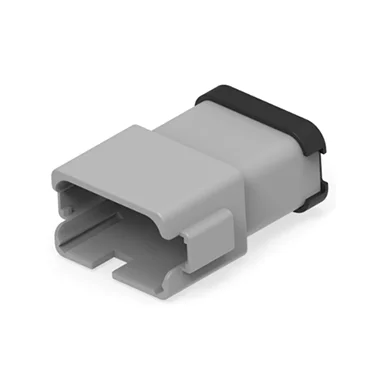
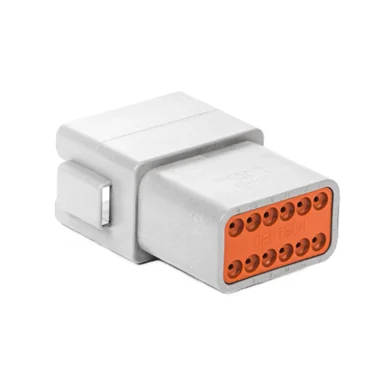
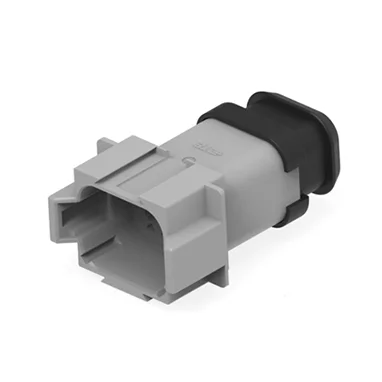
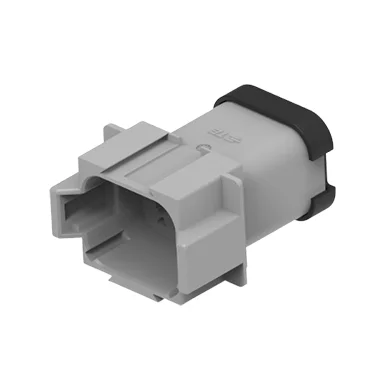
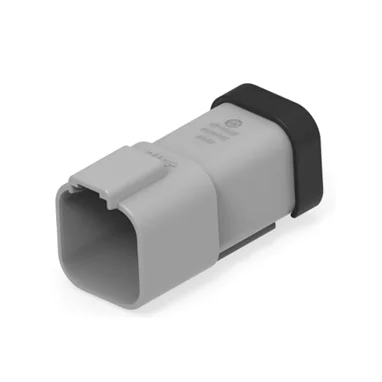
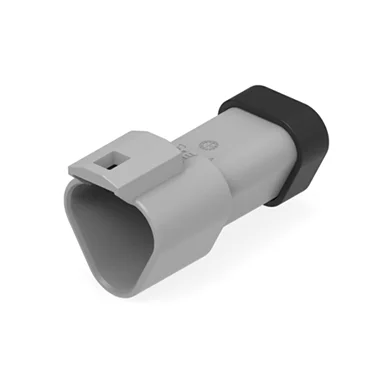
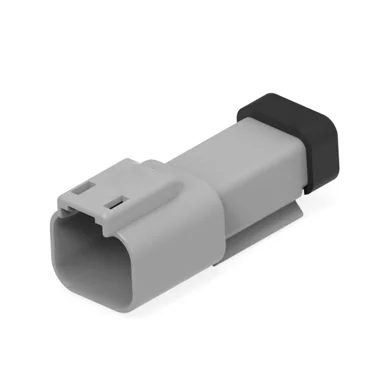
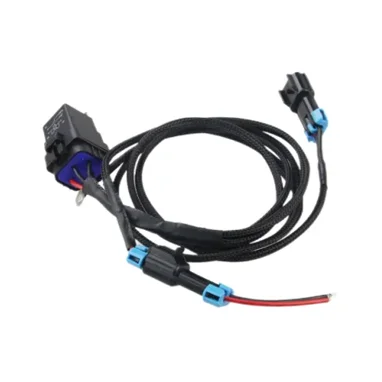
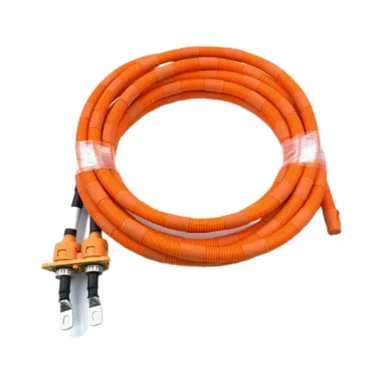
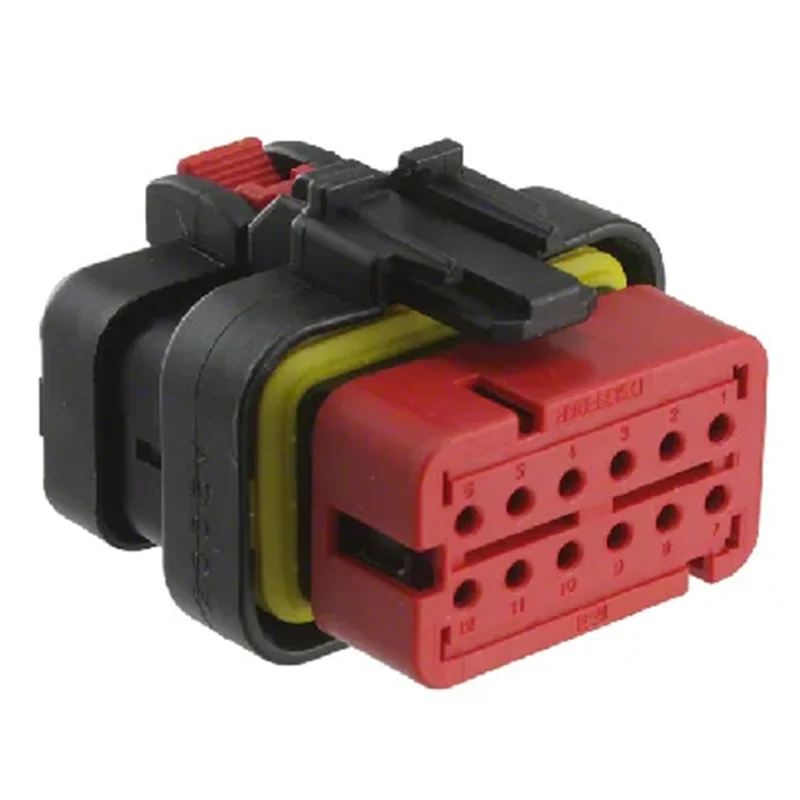
As vehicles evolve into interconnected hubs of sensors and electronics, electromagnetic interference (EMI) has emerged as a silent threat to safety and performance. From advanced driver-assistance systems (ADAS) to infotainment networks, even minor signal disruptions can lead to catastrophic failures. At GVEI, a certified OEM automotive connector supplier, we engineer EMI shielding connectors that meet stringent automotive EMC standards while preserving signal integrity. Here’s how to combat EMI—and why our shielded designs are trusted by global automakers.
1. The Hidden Danger: EMI’s Impact on ADAS Sensors
ADAS sensors like radar, LiDAR, and cameras operate at high frequencies (24GHz to 77GHz), making them vulnerable to EMI from power lines, motors, or nearby electronics. Consequences include:
False Alarms: Radar misinterpreting EMI noise as obstacles.
Data Corruption: LiDAR point cloud errors due to signal crosstalk.
System Shutdowns: Overloaded ECUs triggering safety failsafes.
Case in Point:
A Tier 1 supplier reported a 15% failure rate in ADAS camera feeds due to unshielded connectors near EV traction inverters.
2. Triple-Layer Shielding: GVEI’s Defense Against EMI
To neutralize EMI, GVEI employs a triple-shield architecture combining conductive, magnetic, and grounding barriers:
Layer 1: Aluminum Foil Shielding
Function: Blocks high-frequency EMI (up to 1GHz).
Application: Wrapped around individual wires or cable bundles.
Material: 100μm aluminum-polyester laminate with 95% coverage.
Layer 2: Braided Shield
Function: Absorbs low-frequency magnetic interference (e.g., from motors).
Application: Encases the entire connector assembly.
Material: Tinned copper braid with 85% optical coverage.
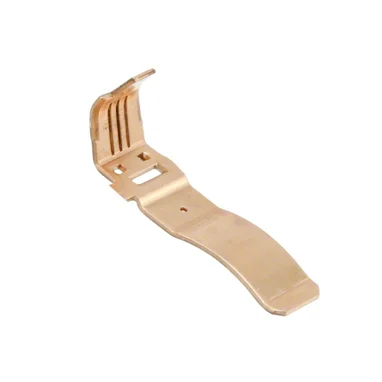
Layer 3: Grounding Clamps
Function: Diverts captured EMI to the vehicle chassis.
Design: Low-impedance springs or conductive gaskets ensuring 360° contact.
Standard: SAE J1113/41 for grounding efficiency.
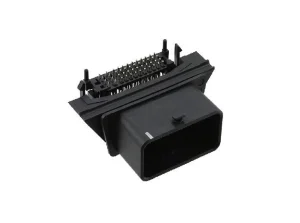
GVEI’s Shielded Connectors:
Frequency Range: Tested up to 10GHz for 5G/V2X compatibility.
Insertion Loss:<0.5dB at 6GHz (ideal for automotive Ethernet).
Customization: Shielded D-sub, Fakra, and HVIL connectors tailored to your layout.
3. MIL-STD-461 Testing: GVEI’s Validation Benchmark
To ensure military-grade EMI protection, GVEI subjects connectors to MIL-STD-461—the gold standard for electromagnetic compatibility (EMC).
Key Tests:
CE102 (Conducted Emissions): Ensures connectors don’t emit harmful interference below 10MHz.
RE102 (Radiated Emissions): Validates shielding effectiveness from 10MHz to 18GHz.
CS114 (Conducted Susceptibility): Simulates real-world EMI injection via power lines.
Case Study:
For an autonomous vehicle project, GVEI’s triple-shielded Ethernet connectors reduced radiated emissions by 30dBμV/m, exceeding MIL-STD-461G limits and resolving ADAS false positives.
GVEI’s Shielded Connector Advantages
Compliance: Meets CISPR 25, ISO 11452-2, and OEM-specific EMC specs.
Durability: Shielding layers tested for 500+ mating cycles without degradation.
Thermal Stability: Materials rated for -40°C to +150°C (EV battery applications).
Don’t Let EMI Compromise Your Vehicles
In an era where a single glitch can trigger recalls or accidents, EMI shielding is not optional—it’s existential. GVEI’s EMI shielding connectors combine proven physics with cutting-edge validation to safeguard your most critical systems.
Secure Your Signals with GVEI
Email: alltrade@gvei.com
Website: www.gvei.com