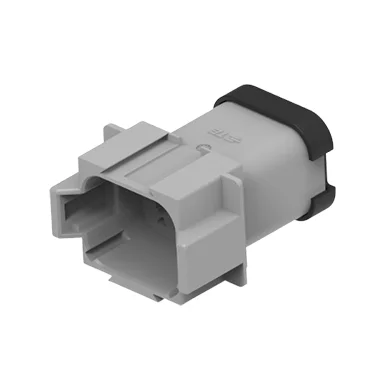
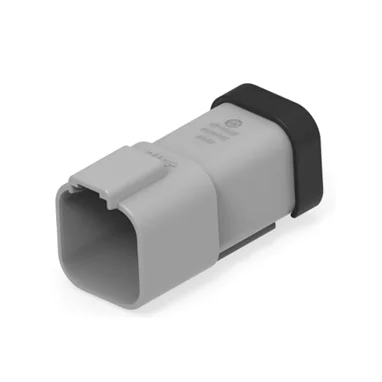
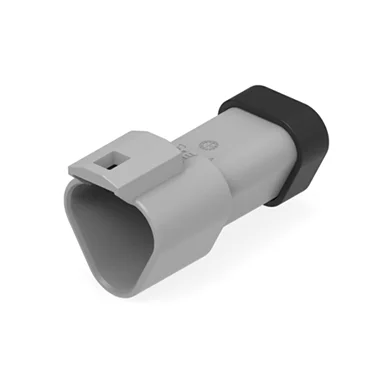
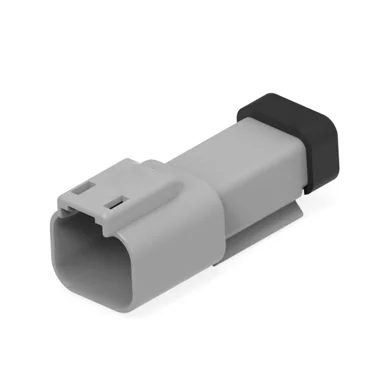
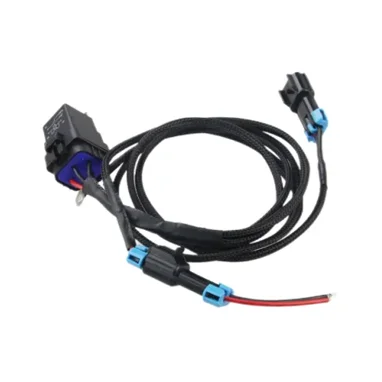
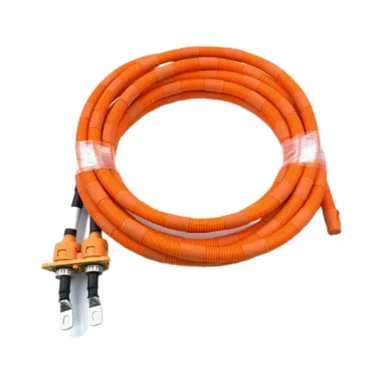
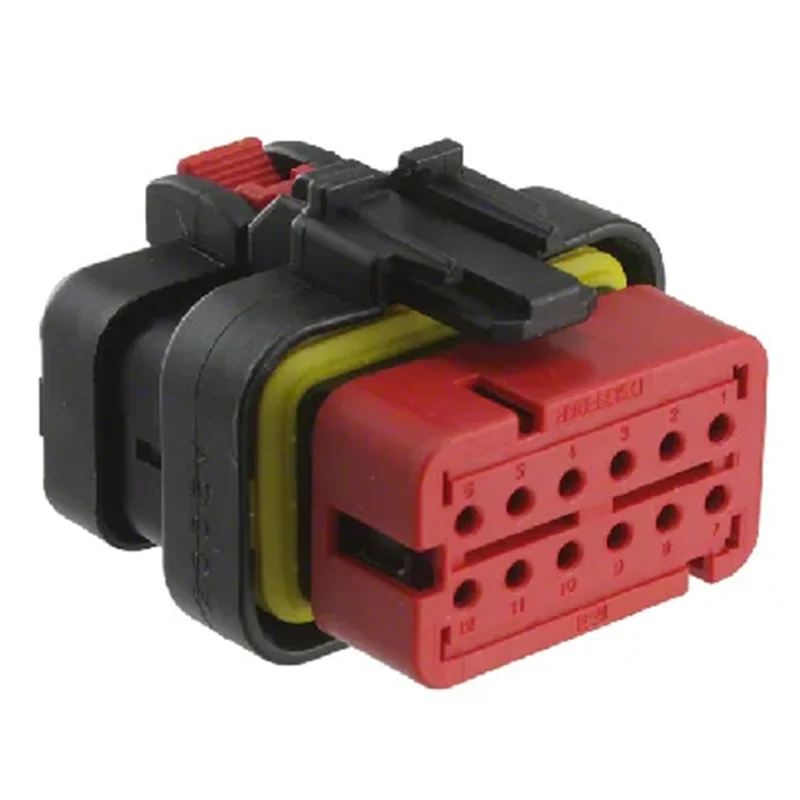
A reliable engine wiring harness is the nervous system of any vehicle, ensuring seamless communication between critical components. Faulty wiring can lead to engine malfunctions, electrical failures, or even safety hazards. For automotive engineers, mechanics, and procurement managers, understanding how to test engine wiring harnesses is essential for quality assurance. This guide breaks down industry-standard testing methods, tools, and best practices—positioning your projects for success.
1. Pre-Testing Preparation
Before diving into electrical tests, conduct a visual inspection of the wiring harness. Look for:
Physical damage: Frayed wires, cracked insulation, or bent connectors.
Corrosion: Check terminals and pins for rust or oxidation, especially in high-moisture environments.
Loose connections: Ensure connectors are fully seated and secured with locking mechanisms.
Use a multimeter or continuity tester to verify that all circuits are disconnected from the vehicle’s power source to avoid short circuits.
2. Continuity Testing
Continuity tests verify that electrical paths are unbroken.
Step 1: Set your multimeter to continuity mode (audible beep).
Step 2: Probe both ends of a wire—if the meter beeps, the circuit is intact.
Step 3: Repeat for every wire in the harness.
Pro Tip: For complex harnesses with 300+ circuits (common in EVs), use automated test equipment (ATE) to save time and reduce human error.
3. Insulation Resistance Testing
Insulation resistance tests detect leaks or potential short circuits.
Step 1: Use a megohmmeter (megger) to apply high voltage (typically 500–1000V) between the wire and its insulation.
Step 2: Measure resistance. Values below 1 MΩ indicate compromised insulation.
This test is critical for high-voltage EV wiring harnesses, where insulation failure can lead to catastrophic system breakdowns.
4. Voltage Drop Testing
Voltage drop tests assess the efficiency of current flow under load.
Step 1: Reconnect the harness to the power source and activate the circuit.
Step 2: Measure voltage at both ends of the wire.
Step 3: Calculate the drop: Voltage Drop = Source Voltage – Load Voltage.
A drop exceeding 3% of the source voltage signals excessive resistance, often caused by poor crimping or undersized wires.
5. Environmental Stress Testing
Engine wiring harnesses must withstand harsh conditions. Key tests include:
Vibration testing: Simulate road vibrations to detect loose terminals or micro-fractures6.
Temperature cycling: Expose the harness to extreme temperatures (-40°C to 150°C) to test insulation and connector durability.
Moisture resistance: Submerge connectors in saline solution to replicate humid or corrosive environments.

6. Industry Standards and Certifications
Adherence to standards like IPC/WHMA-A-620 ensures compliance with global quality benchmarks. Look for:
UL/CSA certification: Validates electrical safety.
IATF 16949: Ensures automotive-specific quality management.
ISO 9001: Guarantees consistent manufacturing processes.
7. Common Failures and Solutions
| Issue | Root Cause | Fix |
| Intermittent connectivity | Loose terminals | Re-crimp or replace connectors |
| Insulation breakdown | Aging or heat exposure | Use high-temperature-rated materials |
| Signal interference | Poor shielding | Add braided shielding or ferrites |
Why Choose Jingu Auto Parts Co.,LTD for Engine Wiring Harnesses?
At Jingu Auto Parts Co.,LTD , we specialize in automotive-grade wiring harnesses designed to exceed rigorous testing protocols. Our solutions include:
Customized designs: Tailored for EV, industrial, and utility vehicle applications.
Advanced testing: 100% in-house continuity, HiPot, and environmental stress tests.
Certified quality: Compliant with IPC/WHMA-A-620 and IATF 16949 standards.
Explore our testing capabilities: www.gvei.com
Request a free sample: alltrade@gvei.com
Final Thoughts
Thorough testing is non-negotiable for engine wiring harness reliability. By partnering with a certified manufacturer like Jingu Auto Parts Co.,LTD, you gain access to cutting-edge testing infrastructure and decades of automotive expertise. For more insights or to discuss your project, schedule a consultation today.