Your vehicle’s Anti-lock Brake System (ABS) plays a crucial role in ensuring your safety by preventing wheel lock-up during braking, allowing you to maintain control even in slippery or emergency braking situations. But when the ABS warning light comes on and stays on, it signals a problem within the system that needs immediate attention.Here’s a detailed explanation of why this happens and what you should do to resolve it.
What Does the ABS Light Mean?
The ABS light on your dashboard acts as a warning system. When this light turns on, it indicates that there is an issue with the ABS that requires investigation. ABS is designed to prevent the wheels from locking during braking, ensuring you maintain steering control and reducing the risk of skidding, particularly on slippery surfaces. When the system malfunctions, the light alerts the driver that the ABS system is not working as intended, meaning the vehicle will rely solely on its regular braking system.
Common Reasons for ABS Malfunction Light
There are several possible reasons for your ABS light to keep turning on and off, ranging from minor issues to more severe system malfunctions. Here are the most common causes:
- Faulty Wheel Speed Sensors
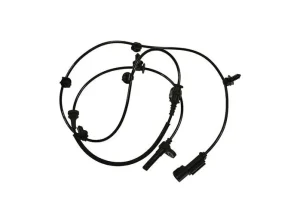
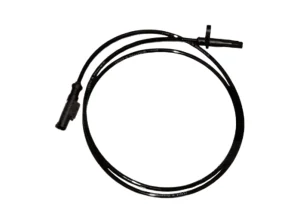
Wheel speed sensorsare integral to the functioning of ABS. They monitor each wheel’s rotational speed and send this data to the ABS control unit. If one of the sensors malfunctions due to dirt, damage, or a fault, it may send incorrect data or no data at all. When the ABS control unit detects this error, it triggers the ABS light. A dirty sensor can often be cleaned, but a broken sensor needs to be replaced. - Low Brake Fluid Level
The ABS and braking system rely on hydraulic pressure generated by the brake fluid. If the fluid level is too low, either due to a leak or evaporation, it can cause a drop in pressure, which in turn can cause the ABS light to illuminate. Inspect your vehicle’s brake fluid reservoir and check for leaks or low levels, as refilling may resolve the issue. - Malfunctioning ABS Module
The ABS module is the brain of the ABS system, and it manages all the data from the sensors to regulate braking pressure. This module may become faulty due to electrical problems, corrosion, or a manufacturing defect, leading to an ABS light. In some cases, the issue may affect both ABS and traction control systems, as they often share components. Diagnosing a failing module usually requires a professional mechanic. - Blown Fuse or Electrical Problem
Your ABS is an electrically powered system that operates using various components and fuses. A blown fuse or wiring issue can disrupt the power flow to the ABS module, causing the warning light to come on. Check your vehicle’s fuse box and wiring connections to ensure everything is intact. - ABS Pump Malfunction
The ABS system uses a pump to modulate brake pressure. A failing pump can prevent the system from maintaining proper brake pressure, which leads to ABS deactivation. This can also cause the ABS light to turn on. - ABS System Turned Off
Some vehicles allow you to manually deactivate the ABS. This feature is useful in specific off-road or winter driving conditions but not recommended for regular driving. If the ABS is switched off, the warning light will stay on until it’s reactivated. Ensure that the system hasn’t been accidentally disabled by checking your vehicle’s settings.
Why You Shouldn’t Ignore the ABS Light
Driving with the ABS light on means your vehicle’s ABS system is disabled, putting you at greater risk in certain driving situations. Although your regular brakes will still function, the enhanced safety provided by ABS, especially in emergencies or poor driving conditions, will not be available.
Additionally, an illuminated ABS light may also indicate issues with other systems, such as traction control or stability control, as they often work in tandem with ABS. This means the vehicle’s overall safety systems may be compromised.
Steps to Take When the ABS Light Comes On
- Check Your Brake Fluid Level
Start by checking your brake fluid reservoir. If the fluid is low, top it up with the correct type of brake fluid recommended for your vehicle. Be sure to inspect for any leaks that could cause the fluid level to drop again. - Inspect Wheel Speed Sensors
Look for any signs of dirt, damage, or corrosion on your wheel speed sensors. If they are dirty, try cleaning them to see if it resolves the issue. If they are damaged, replacing them might be necessary. - Examine the ABS Fuse
If your ABS light came on suddenly, it could be due to a blown fuse. Locate the ABS fuse in your vehicle’s fuse box and replace it if necessary. - Consult a Mechanic
If the ABS light persists after basic troubleshooting, it’s best to consult a professional. A mechanic will use a diagnostic tool to retrieve error codes from your vehicle’s computer, helping identify the exact problem within the system.
Can You Drive With the ABS Light On?
While you can technically drive with the ABS light on, it’s not recommended. The ABS system is a critical safety feature, and without it, your car will be less equipped to handle emergency braking situations. Additionally, ignoring the warning light could mask more serious underlying issues, potentially leading to further damage or a loss of control on the road.
Conclusion
The ABS light on your dashboard is an important warning that shouldn’t be ignored. Whether it’s a minor issue like dirt on the sensors or a more complex problem such as a faulty control module, addressing it promptly ensures your vehicle remains safe and reliable.
If you’re experiencing frequent ABS light warnings, get your vehicle checked by a professional. Need help with brakes or diagnostic tools? Contact Jingu Auto Parts for high-quality components and expert advice. We’re committed to ensuring your vehicle’s safety and performance.