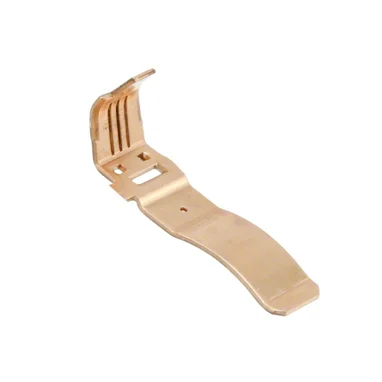
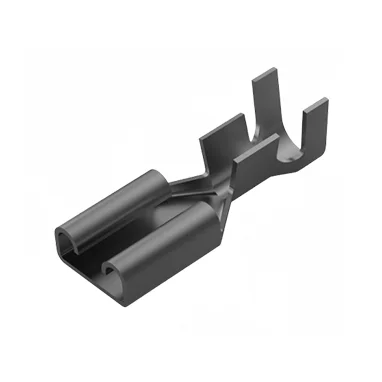
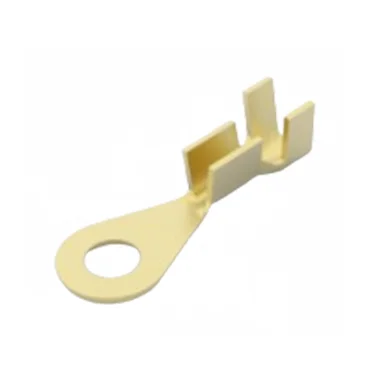
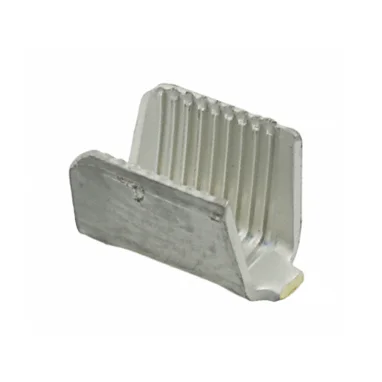
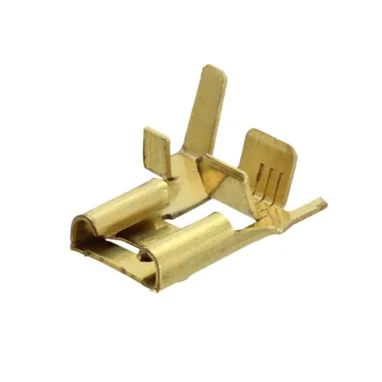
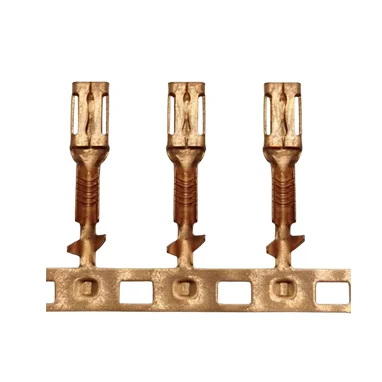
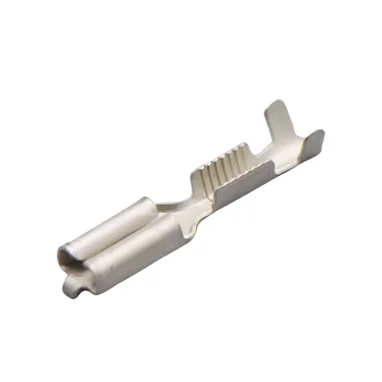
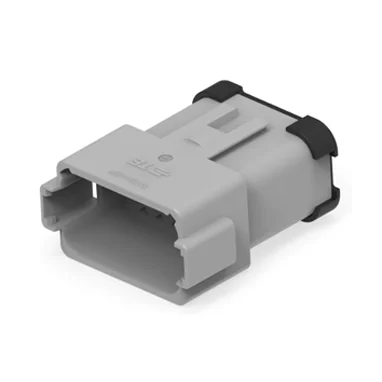
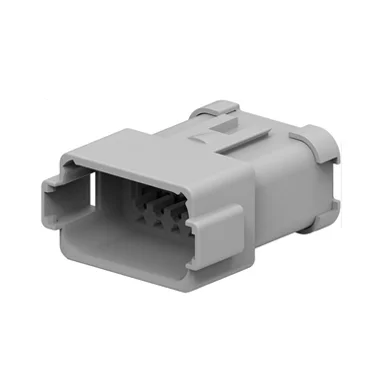
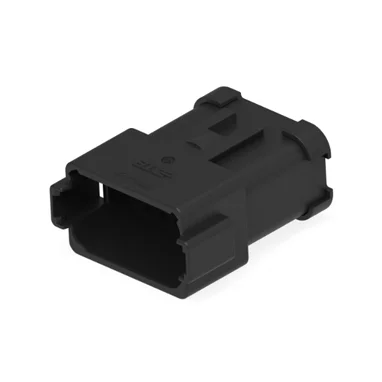
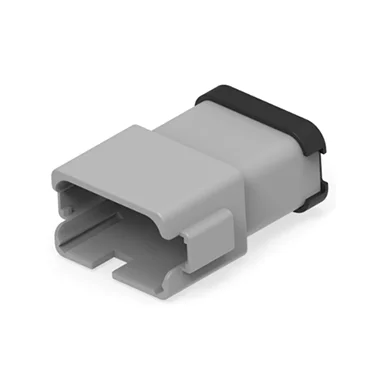
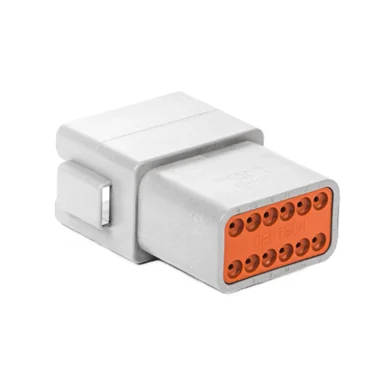
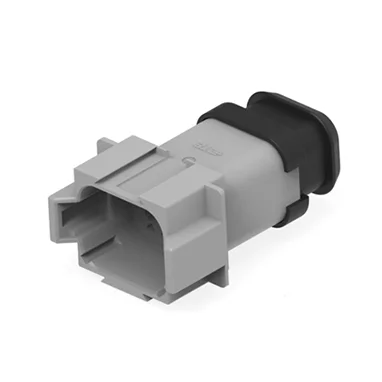
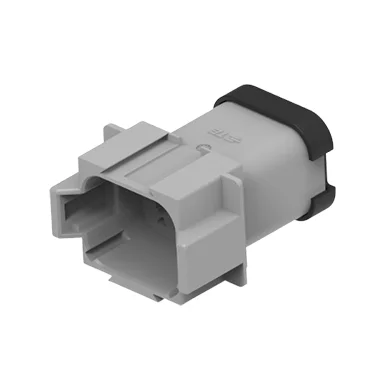
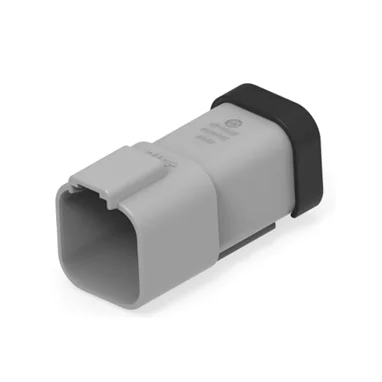
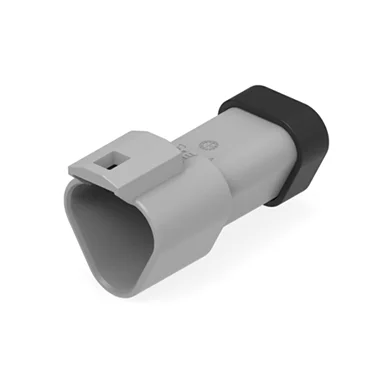
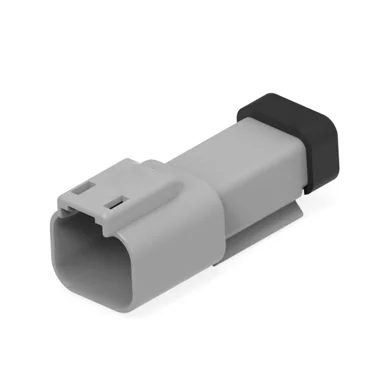
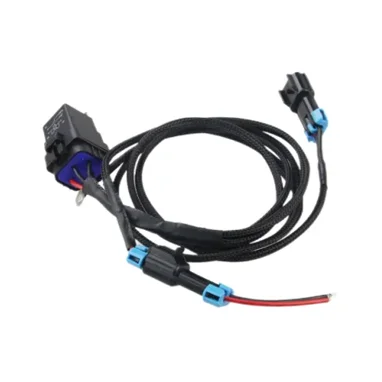
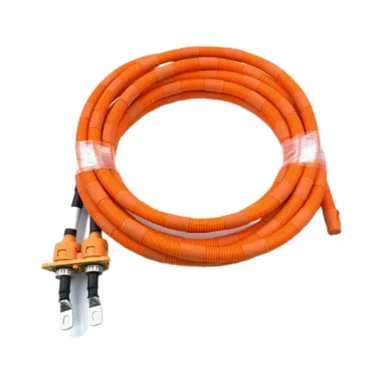
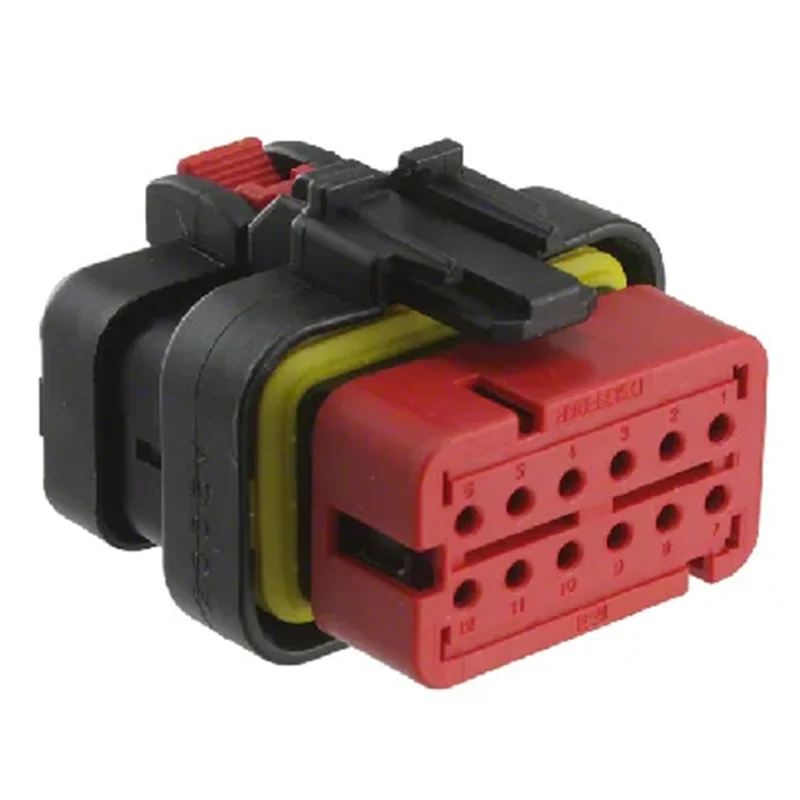
In the automotive industry, safety and reliability are always top priorities. As modern vehicles become increasingly complex, the role of automotive connectors in ensuring stable electrical performance becomes more critical. A typical vehicle may contain thousands of connection points, many of which are essential for power distribution and signal transmission. However, due to the harsh operating environments such as extreme temperatures, vibration, humidity, and chemical exposure, connector failures can lead to serious functional issues or even safety risks. Understanding the failure mechanisms and addressing them through design and manufacturing improvements is therefore essential.
Common Failure Modes of Automotive Connectors
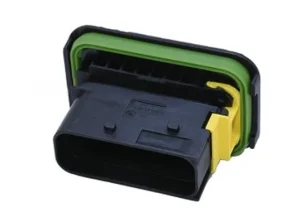
- Friction and Corrosion Failure
- Environmental stressors including high humidity, corrosive gases, and mechanical vibrations contribute significantly to surface oxidation and fretting corrosion.
- These factors degrade the contact surfaces, especially those coated with tin or lead-tin, which constitute about 90% of connector contact interfaces.
- Over time, corrosion leads to increased contact resistance and potential circuit failure.
- Electrical Contact Failure
- One of the most common failure types, primarily caused by insufficient contact pressure and surface wear.
- Contact pressure degradation results from material fatigue, thermal expansion, or long-term mechanical stress.
- Wear during repeated mating cycles exposes base metals, accelerating corrosion and increasing resistance.
- Mating and Unmating Failure
- Improper insertion or removal of connectors during assembly or maintenance can result in misalignment, damage to contacts, or incomplete engagement.
- To mitigate this, manufacturers incorporate locking features and plug-in assist devices.
- Emerging AI-assisted production lines offer further improvement in reducing human error and plugging-related defects.
In-depth Analysis of Electrical Contact Failure Mechanisms

- Insufficient Contact Pressure
- The socket, being an elastic component, generates the necessary normal force when the pin is inserted.
- Under continuous vibration or thermal cycling, the spring characteristics of the socket may degrade, leading to stress relaxation and creep.
- This results in reduced contact pressure, unstable contact resistance, and intermittent signal loss or power interruption.
- Contact Surface Wear
- Insertion/Withdrawal Wear: Repeated mating causes friction-induced wear that alters surface geometry, produces debris, and accelerates material transfer.
- Influencing factors include contact pressure, surface roughness, coating hardness, and structural design.
- Fretting Wear: Occurs under small-amplitude oscillations (1–100 μm), often induced by temperature fluctuations and background vibration.
- Thermal expansion differences between materials can generate micro-motions that compromise contact integrity over millions of cycles.
- Example: A brass pin subjected to 20 thermal cycles at 5°C/h can experience up to 5 μm of micro-motion, severely affecting long-term reliability.
- Insertion/Withdrawal Wear: Repeated mating causes friction-induced wear that alters surface geometry, produces debris, and accelerates material transfer.
Strategies to Enhance Connector Reliability
- Design Optimization
- Implement data-driven design approaches to improve environmental resilience and mechanical durability.
- Develop advanced contact geometries and use high-performance coatings to resist corrosion and wear.
- Integrate intelligent locking systems and visual or tactile feedback mechanisms to ensure proper mating.
- Manufacturing and Process Control
- Adopt precision crimping technologies and automated inspection systems to ensure consistent terminal connections.
- Apply rigorous testing protocols, including thermal cycling, vibration tests, and long-term durability assessments.
- Leverage AI and machine learning in quality control processes to detect early signs of potential failures.
Conclusion
Automotive connectors play a vital role in ensuring the safe and reliable operation of vehicles. By understanding the major failure modes—friction corrosion, electrical contact degradation, and improper mating—and addressing their root causes through innovative design and manufacturing techniques, the industry can significantly enhance connector performance. As automotive systems continue to evolve with electrification and autonomous capabilities, the demand for highly reliable connectors will only grow, making continuous improvement in this area not just beneficial—but essential.
Partner with GVEI
From luxury sedans to heavy-duty trucks, GVEI’s material mastery ensures your connectors outlast the vehicle itself. Our certifications—IATF 16949, UL 94 V-0, and ISO 16750—guarantee every component meets global durability benchmarks.