Introduction: Why Gold Plating Quality Matters in Connectors
In modern electrical and electronic systems, connectors play a vital role in ensuring stable signal and power transmission. Among many surface treatment methods, gold plating is widely used for connector contacts because of its excellent conductivity, corrosion resistance, and long-term reliability. As connector products become smaller and more performance-driven, the quality of the gold-plated layer has become increasingly critical. Therefore, understanding common quality problems in gold-plated connectors is essential for manufacturers, engineers, and wire harness suppliers who aim to meet strict customer and industry requirements.
Overview of Gold Plating Processes Used in Connectors
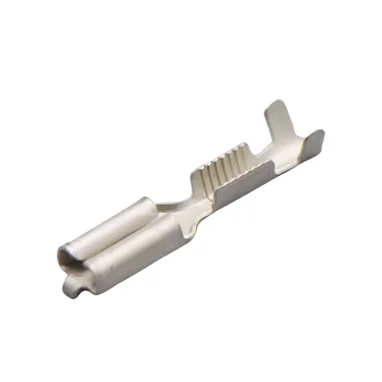
Before discussing quality issues, it is helpful to understand how gold plating is applied to connectors. In general, connector contacts are plated using processes such as barrel plating, vibration plating, or selective gold plating. Barrel and vibration plating are commonly used for pin and socket contacts with holes, especially in high-volume production. Selective gold plating is applied when gold is needed only on specific contact areas to balance performance and cost. While these processes are mature and widely adopted, each has its own challenges that can affect the final appearance and performance of the gold-plated layer.
Typical Appearance-Related Problems in Gold-Plated Layers
From a practical perspective, many customer complaints about gold-plated connectors start with appearance issues. Common problems include inconsistent color, uneven brightness, or visible differences between parts within the same batch. In some cases, the gold layer may appear dark, reddish, or dull instead of having a uniform bright gold finish. Although these issues may seem cosmetic at first, they often indicate deeper process problems that can affect electrical contact performance and long-term reliability.
Impurity Contamination in Gold Plating Solutions
One of the most frequent causes of gold plating quality problems is impurity contamination in the plating solution. During the gold plating process, chemical additives are continuously introduced into the bath. Over time, impurities from these materials can accumulate. When impurity levels exceed acceptable limits, they directly affect the color and brightness of the gold-plated layer.
For example, organic impurities may cause the gold surface to darken or appear cloudy. Meanwhile, metal impurities can narrow the effective current density range, leading to areas that are either poorly plated or not plated at all. As a result, connectors may show uneven color or reduced surface quality, which is unacceptable for high-reliability applications such as automotive wire harness systems.
Excessive Gold Plating Current Density
In addition to solution purity, current density plays a crucial role in gold plating quality. If the total surface area of parts in the plating tank is calculated incorrectly, the actual current applied may be too high. This situation often occurs in connector manufacturing where parts have complex shapes or internal holes.
When current density is excessive, the gold layer may crystallize too quickly, resulting in a rough surface texture and a reddish appearance. In vibration plating, insufficient vibration amplitude can further worsen this issue by preventing uniform current distribution. Therefore, precise control of current density is essential to ensure a smooth and visually consistent gold-plated layer.
Aging of Gold Plating Solutions
As production continues, gold plating solutions naturally age. Over time, impurities build up, and the chemical balance of the bath changes. If the solution is used beyond its effective lifespan, the quality of the gold-plated layer can deteriorate significantly.
Aged plating solutions often produce connectors with abnormal gold color, reduced brightness, or inconsistent finishes between batches. For connector manufacturers, this highlights the importance of regular solution monitoring, timely purification, and proper bath replacement to maintain stable plating quality.
Changes in Alloy Composition of Hard Gold Plating
In many connector applications, especially those involving frequent mating cycles, hard gold plating is used to improve wear resistance. Hard gold coatings typically involve gold alloys such as gold-cobalt or gold-nickel. While these alloys enhance durability, they also introduce additional variables into the plating process.
When the concentration of cobalt or nickel in the plating solution changes, the color of the gold layer can shift. This can lead to visible color differences within the same batch of connectors. Although the electrical performance may still meet specifications, customers often have strict visual standards. As a result, controlling alloy composition is a key factor in maintaining consistent gold-plated connector quality.
Other Common Quality Issues in Gold-Plated Connector Layers
Beyond color and brightness, other quality problems may also appear in gold-plated connectors. These include rough or uneven surfaces, poor thickness uniformity, and micro-porosity in the gold layer. Such defects can increase contact resistance and reduce corrosion resistance over time.
In automotive and industrial wire harness applications, where connectors are exposed to vibration, temperature changes, and humidity, these issues can eventually lead to unstable connections or premature failure. Therefore, even minor plating defects should not be ignored.
Inspection and Quality Control for Gold-Plated Connectors
To address these challenges, effective inspection and quality control are essential. Visual inspection remains a basic but important step for detecting color inconsistency and surface defects. In addition, process monitoring during plating helps identify issues related to current density, solution aging, or impurity buildup.
For connector and wire harness manufacturers, maintaining stable process parameters and consistent inspection standards ensures that gold-plated connectors meet both functional and aesthetic requirements. This approach also helps reduce rework, customer complaints, and long-term quality risks.
Key Process Measures to Improve Gold Plating Quality
From a production standpoint, improving gold plating quality requires systematic control. This includes regular analysis and maintenance of plating solutions, accurate calculation of plating surface areas, and strict control of current density. For hard gold plating, monitoring alloy content is equally important.
By combining proper process management with trained operators and well-defined quality standards, manufacturers can significantly reduce common gold plating defects and deliver connectors with reliable and consistent performance.
Conclusion: Ensuring Reliable Gold-Plated Connectors
In summary, common quality problems in the gold-plated layer of connectors are closely linked to plating solution purity, current density control, solution aging, and alloy composition. While these issues are well known in the industry, they require continuous attention as connector designs become more compact and performance demands increase.
For automotive connectors and wire harness systems in particular, stable gold plating quality is essential for ensuring low contact resistance, long service life, and customer satisfaction. By focusing on process control and quality management, manufacturers can meet high standards without unnecessary cost or risk.
At Jingu, we specialize in high-quality connectors and automotive wire harness solutions designed to meet demanding performance and reliability requirements. As a trusted automotive connector supplier, Jingu is committed to strict process control, stable gold plating quality, and consistent product performance to support your long-term success. Contact Jingu today to learn how our connector solutions can enhance the reliability of your electrical systems.