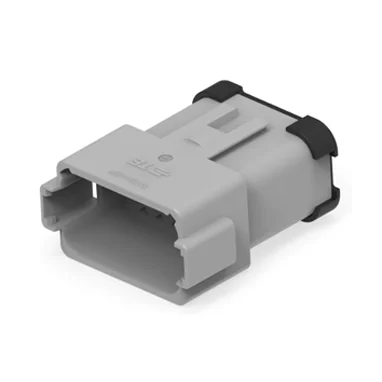
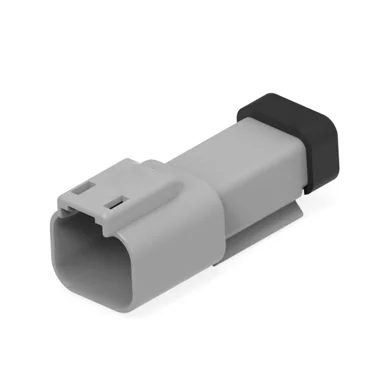
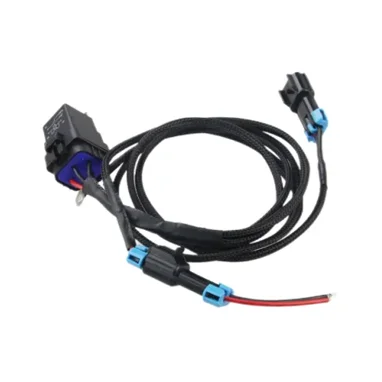
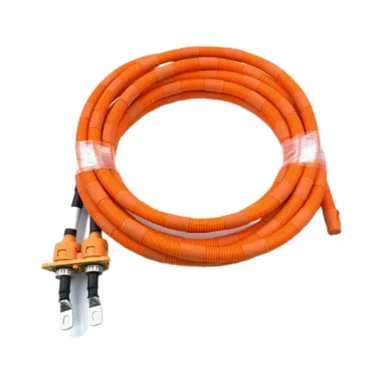
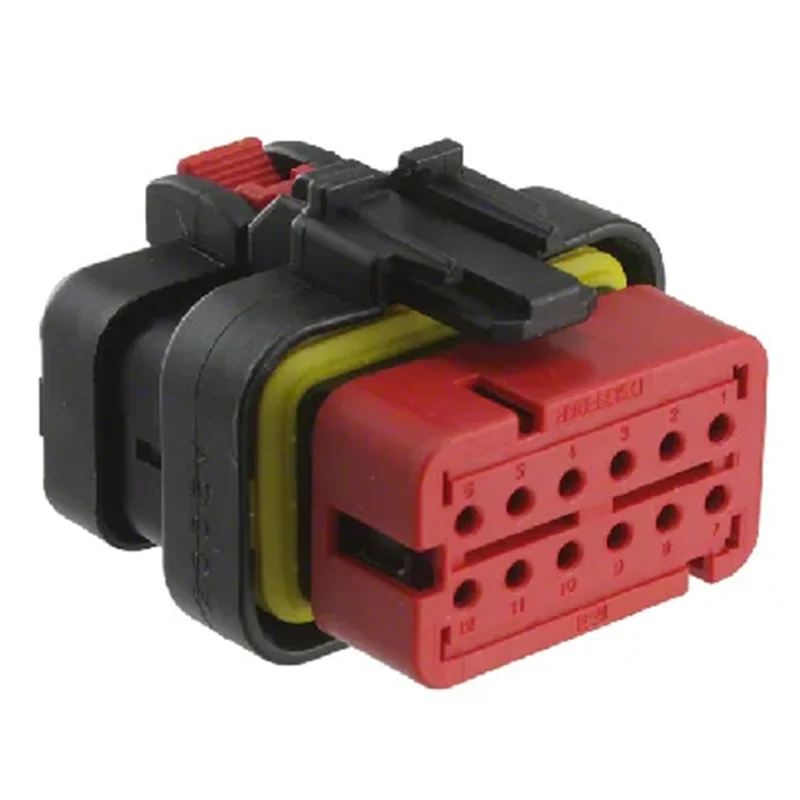
In modern vehicles, electrical systems are becoming more complex and more critical than ever. From power distribution and signal transmission to safety and control functions, every system depends on stable electrical connections. At the center of these connections are automotive connectors, and one of their most important electrical properties is contact resistance.
As a transition to deeper understanding, it is important to note that excessive resistance in an automotive connector does not only affect signal quality. It can also cause heat buildup, energy loss, and long-term reliability issues. For this reason, understanding automotive connector resistance is essential for designing reliable automotive wire harness systems.
What Is Contact Resistance in an Automotive Connector?
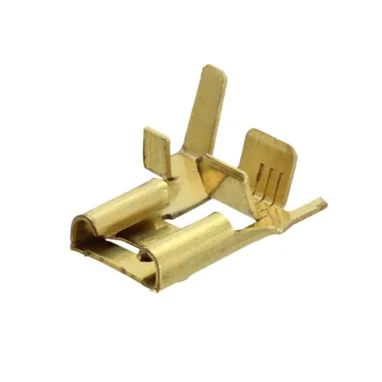
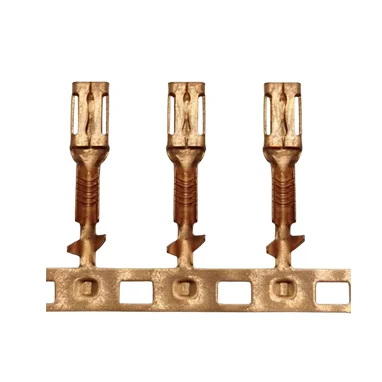
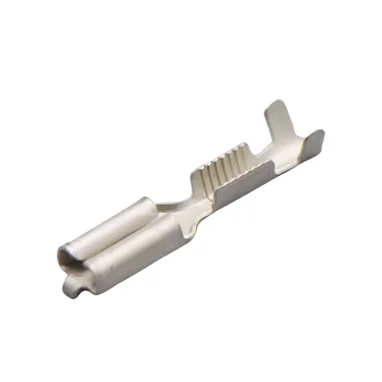
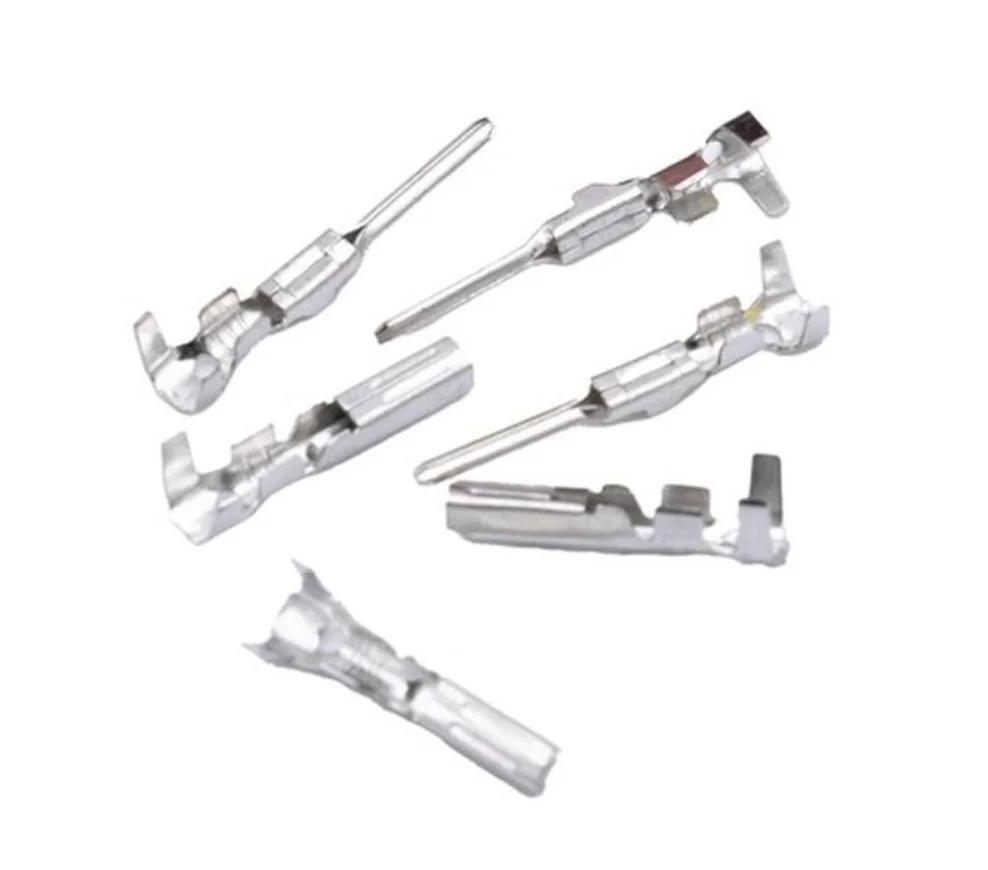
To begin with, contact resistance refers to the additional electrical resistance that appears at the interface where the male terminal and female terminal mate inside a connector. Even though both terminals are made of conductive metal, the resistance at their contact interface is not zero.
From a practical perspective, contact resistance directly affects current flow, voltage drop, and temperature rise in an automotive connector. In automotive wire harness applications, even a small increase in contact resistance can lead to unstable performance, especially in high-current or sensitive signal circuits.
How Contact Resistance Works at a Microscopic Level
Moving deeper into the topic, contact resistance can only be fully understood by looking at the contact surface under a microscope. Although two terminals appear to touch across a flat surface, real contact happens only at multiple tiny contact points.
The total area of these microscopic contact points is called the real contact area, which is much smaller than the apparent contact area. The size and number of these contact points depend on surface roughness, material hardness, and contact force. As a result, automotive connector resistance is strongly influenced by mechanical and material factors, not just electrical design.

The Role of Oxide Films in Connector Resistance
In addition to surface geometry, oxide films play a critical role in contact resistance. In normal atmospheric conditions, no metal surface remains perfectly clean. Once exposed to air, a thin oxide layer quickly forms on the terminal surface.
At this stage, the contact interface consists of two parts. One part is where the oxide film is broken under contact pressure, allowing direct metal-to-metal contact. The other part is where the oxide film remains intact, acting as an insulating layer. This oxide film increases resistance and contributes significantly to overall automotive connector resistance.
Because of this, plating processes such as gold plating are widely used to reduce oxidation and stabilize contact resistance in automotive connectors.
Main Components of Contact Resistance
From an electrical perspective, contact resistance consists of two main components. The first is constriction resistance, which occurs because current must flow through very small contact spots, causing current lines to contract. The second is film resistance, which comes from oxide layers, contaminants, or surface films present at the contact interface.
Together, these two components determine the total resistance of an automotive connector. Managing both is essential to ensure stable electrical performance in automotive wire harness systems.
Key Factors Affecting Automotive Connector Resistance
Terminal Material Properties
First of all, terminal material has a direct impact on contact resistance. Materials with higher electrical conductivity generally provide lower resistance. However, hardness also matters. Softer materials can deform more easily, increasing the real contact area and reducing resistance.
Therefore, automotive connector design must balance conductivity, hardness, and long-term mechanical stability. This balance ensures that contact resistance remains stable throughout the connector’s service life.
Contact Interface Geometry
Next, the shape of the contact interface also influences resistance. Point contact, line contact, and surface contact all create different macroscopic contact areas. Surface contact generally produces the largest real contact area and the lowest resistance, while point contact produces the smallest.
In practical automotive connector design, the final contact geometry is determined by terminal structure, size constraints, and performance requirements.
Terminal Contact Force
Another critical factor is terminal contact force. As contact force increases, more oxide films are broken, and the number and size of contact points increase. As a result, contact resistance decreases.
From established electrical theory, contact resistance is inversely related to the square of the contact force. This means that proper mechanical design is one of the most effective ways to control automotive connector resistance without changing materials.
Influence of Surface Condition on Contact Resistance
Beyond geometry and force, surface condition also plays an important role. Surface roughness affects how many microscopic contact points are formed. Meanwhile, corrosion, contamination, and wear can significantly increase resistance over time.
In automotive environments, connectors may be exposed to humidity, temperature changes, and chemical substances. For this reason, surface treatments and protective coatings are essential to maintaining low and stable resistance in automotive wire harness assemblies.
Effects of Voltage and Current on Contact Resistance
In actual vehicle operation, connectors work under voltage and current loads, which also influence contact resistance. When voltage across the contact interface reaches a certain level, it can break down oxide films, temporarily reducing resistance. However, this behavior is nonlinear and may cause unstable measurements.
At the same time, current flowing through the connector generates heat due to the Joule effect. This heat can soften metal surfaces, increase contact area, and reduce resistance. In most real-world automotive applications, current flow tends to reduce contact resistance, although long-term thermal effects must still be carefully managed.
Contact Resistance Testing Methods for Automotive Connectors
Since contact resistance cannot be measured directly at the interface, proper testing methods are required. A commonly used approach is to establish a contact resistance test model. In this method, resistance is measured between two defined points on the conductor, and the conductor resistance is subtracted to calculate contact resistance.
Another widely accepted method is the voltage drop test under rated current. By measuring voltage drop across the connector while applying a known current, contact resistance can be calculated accurately. This method closely reflects real operating conditions and is widely used in automotive wire harness testing, especially after thermal aging or environmental tests.
Practical Importance of Controlling Connector Resistance
From a system-level perspective, controlling automotive connector resistance is essential for reducing temperature rise, preventing power loss, and extending service life. Stable contact resistance directly improves the reliability of automotive wire harness systems and reduces the risk of electrical failure.
As vehicles continue to adopt higher power levels and more electronic systems, the importance of connector resistance control will only increase.
Conclusion: Building Reliable Automotive Connections
In summary, the resistance of an automotive connector is determined by contact mechanics, material properties, surface condition, and operating conditions. By understanding the principles behind contact resistance and applying proper design and testing methods, manufacturers can significantly improve connector reliability.
Stable automotive connector resistance is not only an electrical requirement but also a key factor in long-term vehicle safety and performance.
At Jingu, we focus on designing and manufacturing reliable connectors and automotive wire harness solutions with controlled contact resistance and proven testing processes. As an experienced automotive connector supplier, Jingu is committed to delivering stable electrical performance, long service life, and consistent quality for demanding automotive applications. Contact Jingu to learn how our connector and wire harness solutions can support your next project.