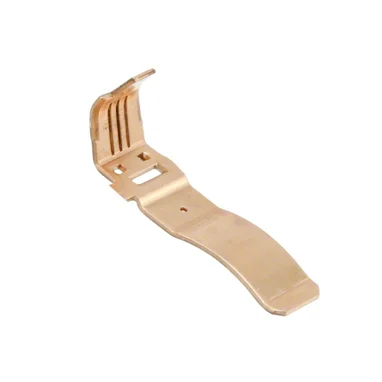
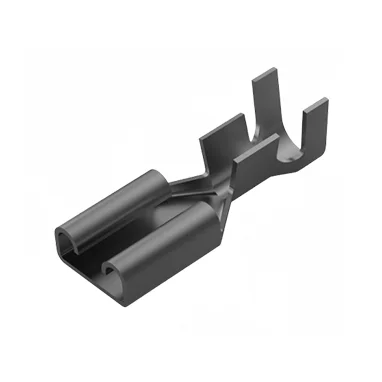
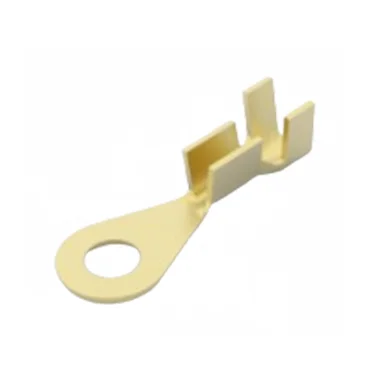
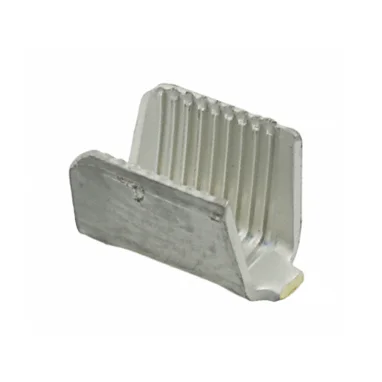
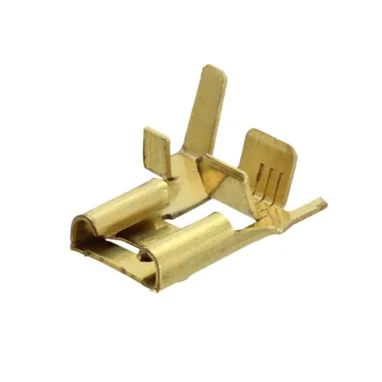
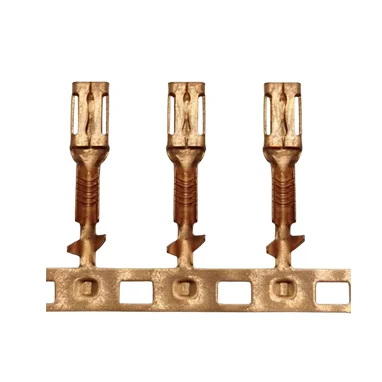
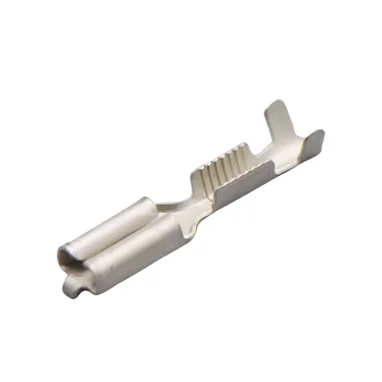
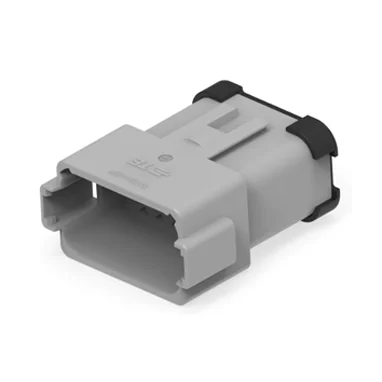
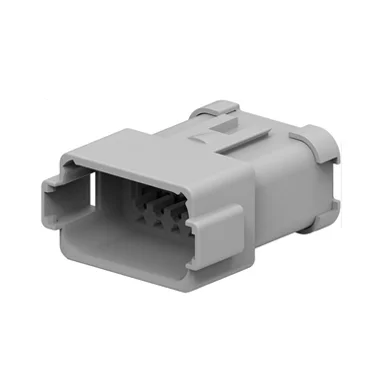
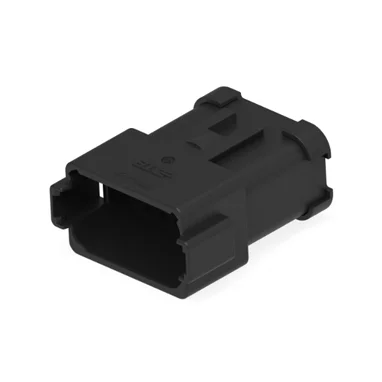
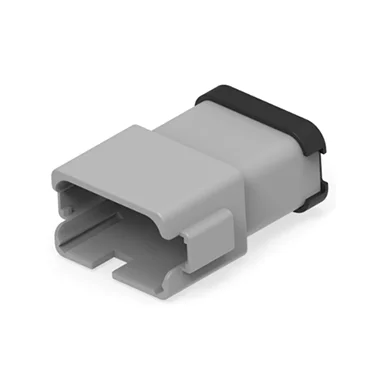
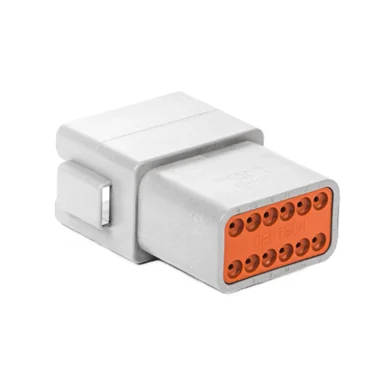
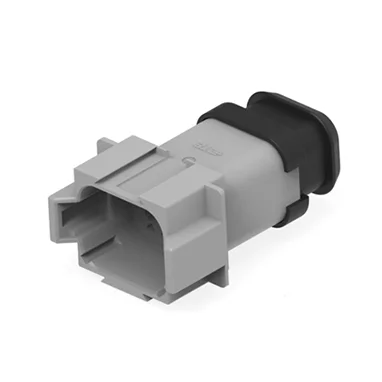
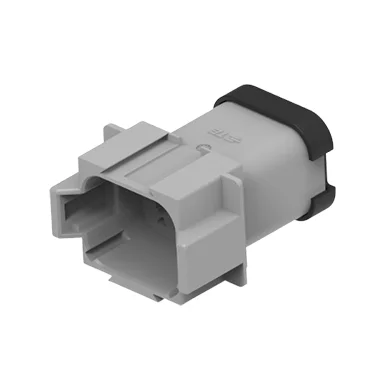
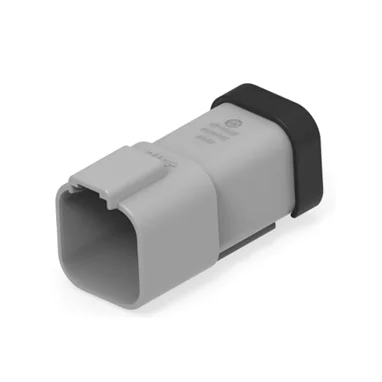
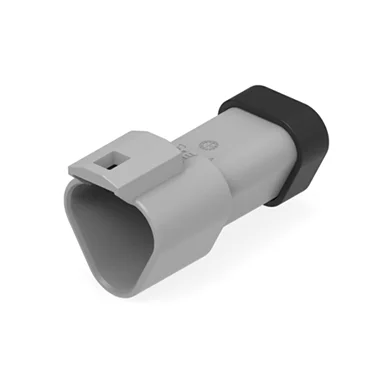
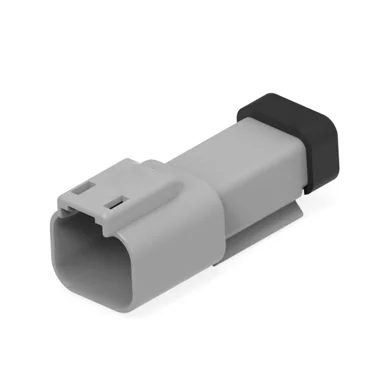
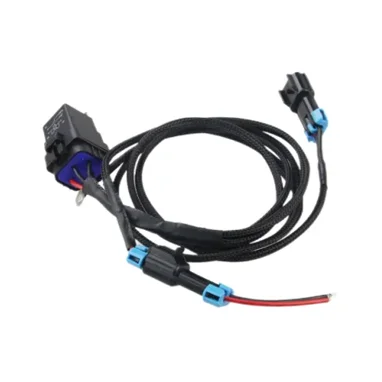
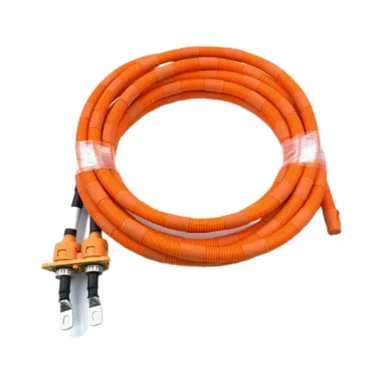
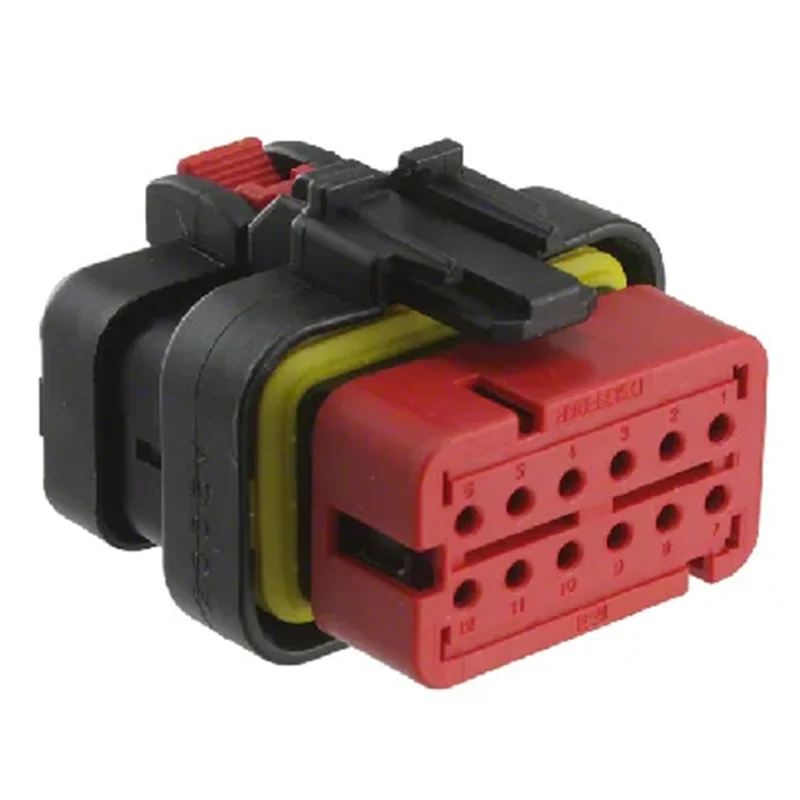
Electroplating is a critical manufacturing process for automotive connectors. It directly affects electrical conductivity, corrosion resistance, contact reliability, and product appearance. However, in real production, uneven electroplating remains one of the most common quality issues. This problem is especially noticeable in connectors with pinholes, sockets, or complex geometries.
To better control product quality, it is important to clearly understand why connectors develop uneven plating and which factors play a decisive role. The following sections provide a systematic explanation of the main causes of connectors uneven electroplating, focusing on real manufacturing conditions and proven technical principles.
Why Electroplating Uniformity Matters in Automotive Connectors
To begin with, automotive connectors operate in demanding environments that involve vibration, temperature changes, moisture, and long service life. Because of this, plating uniformity is not only an appearance issue but also a functional requirement.
Uneven plating can lead to:
- Increased contact resistance
- Local overheating
- Reduced corrosion resistance
- Shortened connector lifespan
As a result, controlling plating quality is a key responsibility for any professional automotive connector supplier.
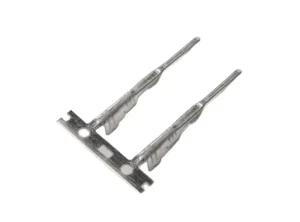
What Is Uneven Electroplating in Connectors?
Before analyzing the causes, it is helpful to define what uneven electroplating looks like in practice.
Typically, uneven electroplating appears as:
- Different coating thicknesses on inner and outer surfaces
- Thicker plating on edges or tips, and thinner plating inside pinholes
- Color differences, such as reddish or dark areas
- Rough or coarse crystal structures in certain regions
These issues are especially common in jack contacts and pinhole connectors, where internal surfaces are difficult to plate evenly.
The Fundamental Role of Current Distribution
At the core of electroplating quality lies current distribution.
During electroplating, the amount of metal deposited on a connector surface is proportional to the electrical current passing through the electrolyte. Therefore, areas receiving higher current density will naturally build up thicker coatings, while areas with lower current density receive thinner layers.
As a result, any factor that affects current distribution on the cathode surface will directly affect plating uniformity.
Current Density as a Major Cause of Uneven Plating
Operating Within the Proper Current Density Range
Every plating solution has a defined current density range that produces stable and uniform coatings. When plating operates within this window, the metal crystals are fine and compact.
However, when current density exceeds the upper limit:
- Crystal grains become coarse
- Surface roughness increases
- Color changes such as reddening may occur
On the other hand, very low current density results in slower deposition and thinner coatings.
Current Density Problems in Barrel and Vibratory Plating
In barrel plating and vibratory plating, current density control becomes even more critical. These methods are commonly used for small, bulk automotive connector components.
Because parts are constantly moving, tip effects are more pronounced. Sharp edges, pin tips, or outer surfaces often face the anode more frequently, receiving higher current density. Meanwhile, internal holes and deep cavities receive less current, leading to thin plating inside the connector.
This imbalance is one of the main reasons for automotive connector plating defects in pinhole contacts.
Influence of Connector Geometry and Structure
Beyond electrical factors, connector design itself has a strong influence on plating uniformity.
Effect of Shape and Size
Complex geometries, such as long pinholes or narrow sockets, create uneven electric fields. These structures limit ion movement inside the hole, reducing metal deposition on internal surfaces.
As connectors become more miniaturized, this challenge becomes more severe. Smaller holes mean:
- Poor electrolyte circulation
- Limited ion replenishment
- Greater risk of thin or incomplete internal plating
Impact of Plating Method Selection
Different electroplating methods produce different coating results.
Comparison of Common Plating Methods
- Rack plating provides better control but is less suitable for high-volume small parts
- Barrel plating is efficient but prone to uneven current distribution
- Vibratory plating improves movement but increases tip effects
For automotive connectors with strict electrical requirements, choosing the correct method is essential to reduce plating variation.
Plating Solution Condition and Impurity Effects
Another important factor is the condition of the plating solution itself.
Influence of Impurities
When chemical additives introduce organic impurities, the plated surface may appear dark or foggy. If metal impurities accumulate, the effective current density range becomes narrower.
As a result:
- Low-current areas may fail to plate properly
- High-current areas may burn or discolor
- Color differences become more visible in holes
Plating Solution Aging
Over time, plating solutions naturally age. Without proper monitoring and maintenance, aging leads to unstable composition, which directly affects coating appearance and uniformity—especially on internal connector surfaces.
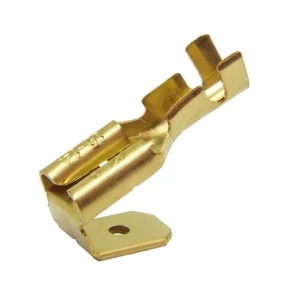
Gold Plating Color Abnormalities and Uneven Deposition
Gold plating is widely used in automotive connectors due to its excellent conductivity and corrosion resistance. However, color inconsistency is a common sign of uneven plating.
Typical issues include:
- Different gold shades on parts from the same batch
- Reddening caused by excessive current density
- Dark or dull areas due to impurities or solution imbalance
In pinhole connectors, these color variations are usually more pronounced, making quality control more challenging.
Production Parameters and Operational Errors
Finally, human and process-related factors also contribute to uneven electroplating.
Common examples include:
- Incorrect calculation of total surface area
- Excessive plating current caused by area misjudgment
- Insufficient vibration amplitude in vibratory plating
- Inconsistent part movement during plating
Even small deviations in these parameters can significantly affect plating consistency.
Improving Electroplating Uniformity in Automotive Connectors
To reduce uneven electroplating, manufacturers should focus on systematic control rather than isolated adjustments.
Effective measures include:
- Maintaining current density within the optimal range
- Selecting plating methods suitable for connector geometry
- Regularly analyzing and refreshing plating solutions
- Optimizing process parameters for pinhole and socket structures
By addressing both electrical and mechanical factors, plating quality can be significantly improved.
Conclusion: Consistent Control Is the Key to Quality Plating
In summary, connectors uneven electroplating is not caused by a single factor. Instead, it results from the combined effects of current distribution, connector structure, plating method, solution condition, and operational control.
For automotive applications, where reliability and safety are essential, understanding these causes is the foundation of stable manufacturing quality. A professional automotive connector supplier must treat electroplating as a controlled system rather than a simple surface treatment.
At Jingu, we understand that electroplating quality directly affects connector performance and long-term reliability. As an experienced automotive connector supplier, we focus on stable manufacturing processes, strict quality control, and application-oriented connector solutions.
If you are looking for reliable automotive connectors with consistent plating quality, Jingu is ready to support your project with professional expertise and dependable products.