To begin with, automotive electrical systems rely on thousands of stable and precise connections. From sensors and control units to lighting and power distribution, every signal depends on connectors working exactly as designed. One small but critical detail is correctly identifying the male and female ends of an auto connector. Although the concept sounds simple, confusion is very common in real automotive wiring harness applications. As vehicles become more compact and connectors more sealed, misidentification can easily lead to wrong part selection, poor contact, or even system failure. Therefore, understanding how to correctly identify connector gender is a basic yet essential skill in automotive electrical work.
What Are Male and Female Connectors? A Terminal-Based Definition
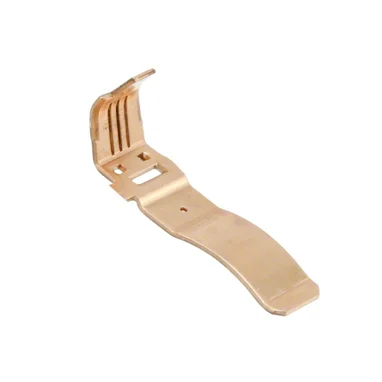
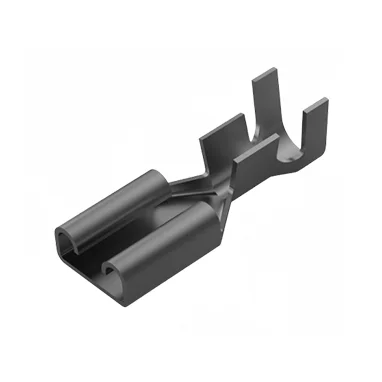
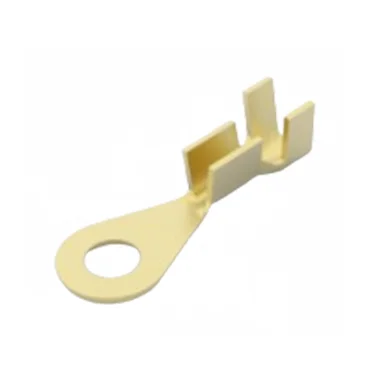
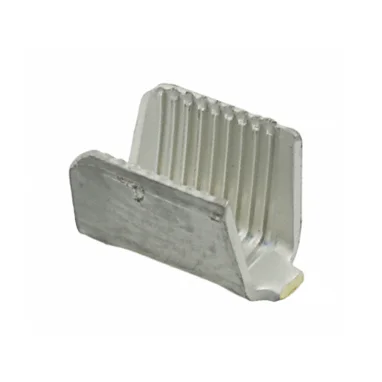
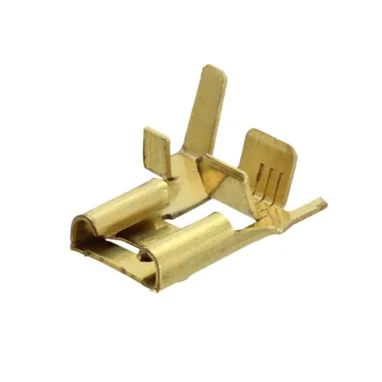
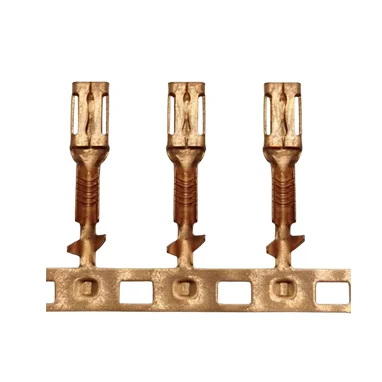
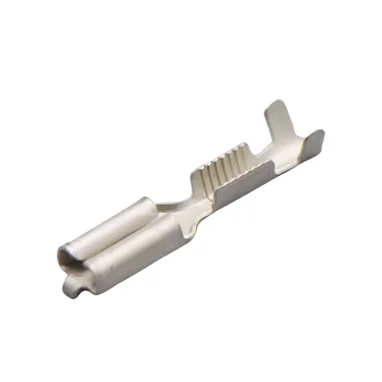
First of all, it is important to clarify what “male” and “female” actually mean in the context of an automotive connector. In electrical systems, connector gender is defined by the metal contact terminals, not by the plastic housing. A male connector uses pins, blades, or tabs that protrude outward and insert into another terminal. In contrast, a female connector contains sockets, tubes, or receptacles designed to receive the male contact. This plug-and-socket relationship ensures proper mechanical alignment and reliable electrical contact. Keeping this terminal-based definition in mind helps avoid many common identification mistakes.
Why Connector Housing Shape Can Be Misleading
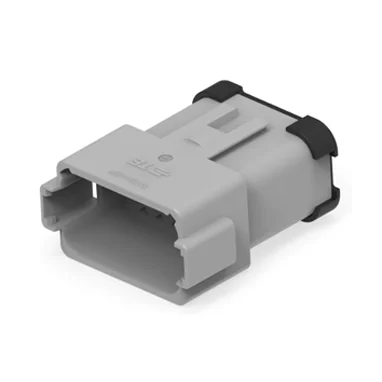
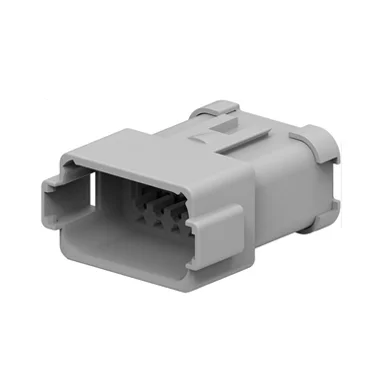
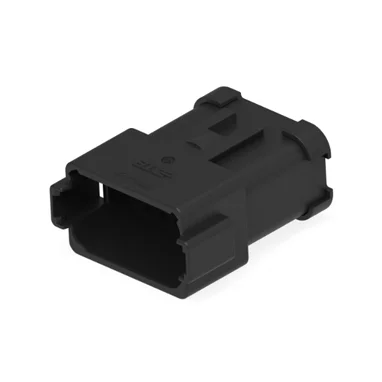
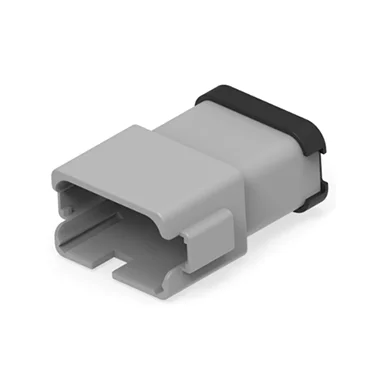
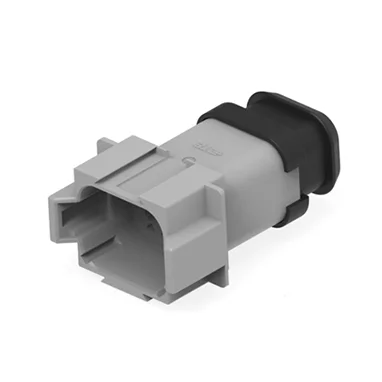
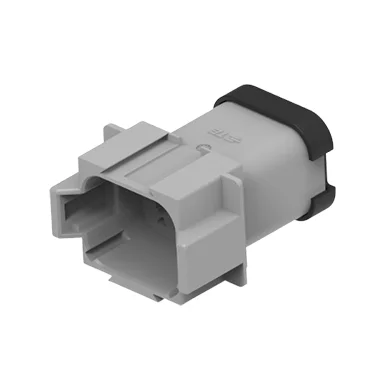
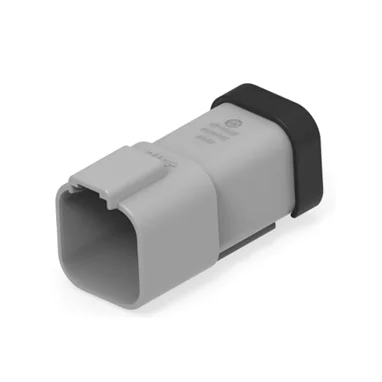
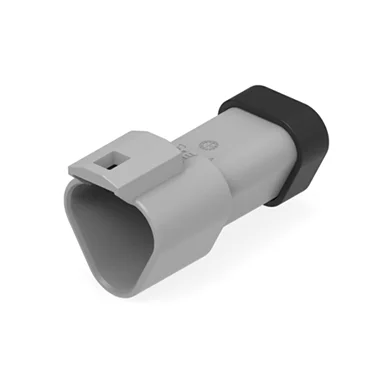
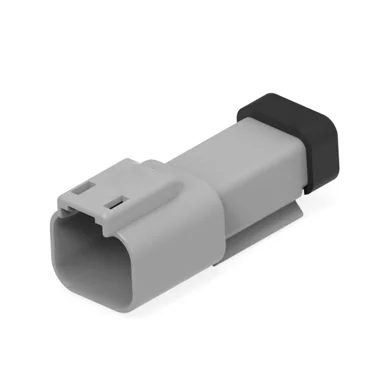
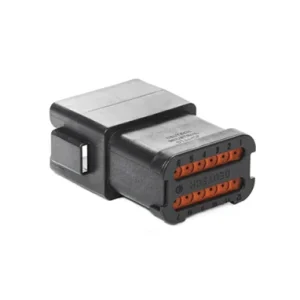
Next, it is worth noting that the outer shape of an automotive connector often causes confusion. Unlike consumer electronics, automotive connectors are usually sealed, molded, and reinforced to withstand vibration, heat, moisture, and chemicals. As a result, the housing may look symmetrical or bulky, giving no clear clue about connector gender. In many cases, the housing of a female connector may look like a “plug,” while the male connector may appear recessed. For this reason, relying on the plastic shell alone is unreliable. Instead, inspection must always focus on the internal terminals rather than the external appearance.
How to Identify Male and Female Ends by Terminal Structure
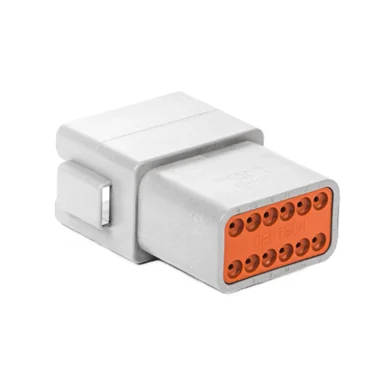
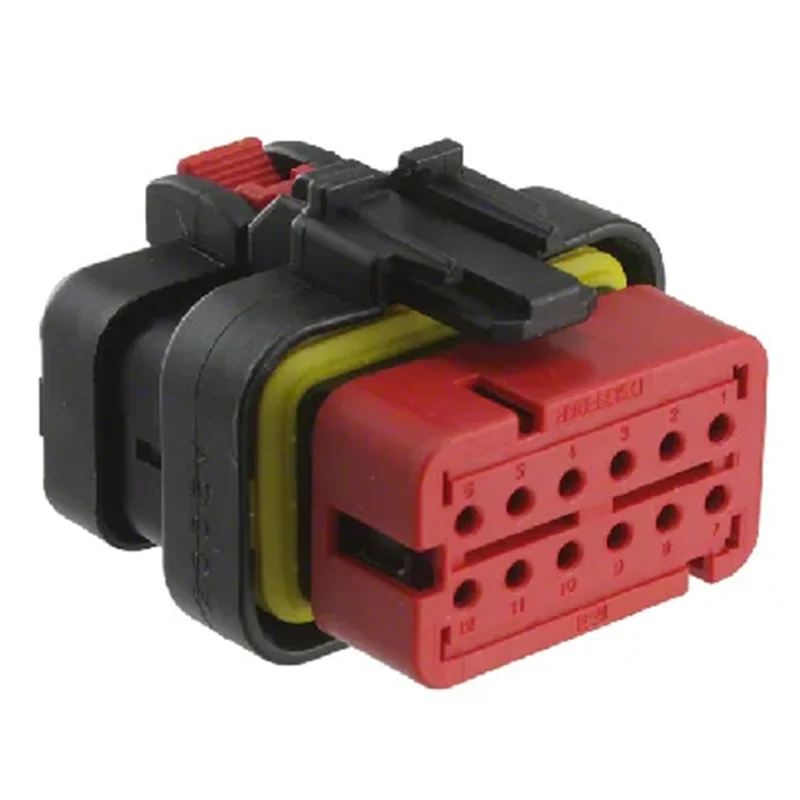
With that in mind, the most reliable way to identify male and female ends is by examining the terminal side of the connector. When you look into the mating face, male terminals are usually easy to spot because they extend outward as solid metal pins or flat blades. Female terminals, on the other hand, are recessed and often appear as tubular or slotted openings designed to grip the male contact. In sealed automotive connectors, this may require gently opening the connector or using a light source for better visibility. Importantly, the wire side of the connector does not indicate gender; only the contact interface matters.
Typical Male and Female Layouts in Automotive Wiring Harnesses
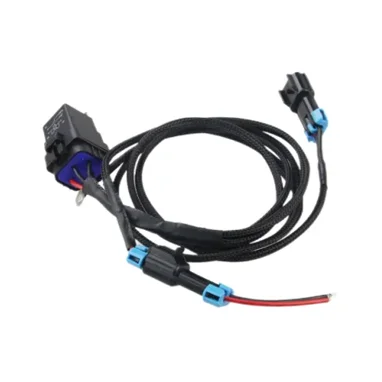
Moving on, understanding common design practices in automotive wiring harnesses can make identification easier. In many vehicle systems, sensors and actuators are designed with male terminals, while the harness side uses female terminals. This approach reduces the risk of exposed live pins during maintenance. Similarly, ECU and control module connectors often use female terminals on the harness and male headers on the module. In lighting systems, bulbs or fixtures usually have male pins, while the socket contains female contacts. These layouts are not absolute rules, but they are widely used to improve safety, durability, and weather resistance in automotive electrical systems.
Common Mistakes When Identifying Connector Gender
However, despite these patterns, mistakes still happen frequently. One common error is assuming the housing determines gender instead of the terminals. Another issue arises with flat blade or box-style terminals, which can look similar at first glance. In addition, some drawings or parts listings may use unclear or inconsistent terminology, leading to ordering errors. These mistakes matter because mismatched connectors can result in weak terminal engagement, increased contact resistance, intermittent signals, or overheating. Over time, such issues can seriously affect system reliability and vehicle safety.
Best Practices for Connector Inspection and Handling
To reduce errors, several best practices should always be followed. First, physically verify the terminal type whenever possible instead of relying on photos or descriptions alone. Second, use pin-out diagrams or technical drawings provided by the automotive connector supplier, especially for multi-pin connectors. Third, inspect terminals for wear, corrosion, or deformation, as damaged contacts can make gender identification more difficult. Finally, when working with older wiring harnesses, remember that previous repairs or replacements may not follow original design rules, making careful inspection even more important.

Why Correct Identification Is Critical for Repair and Sourcing
At this point, it becomes clear why correct connector identification plays such a key role in automotive repair and sourcing. Choosing the wrong male or female connector can delay repairs, increase costs, and compromise performance. For manufacturers and distributors, correct identification ensures proper assembly, quality control, and customer satisfaction. From a procurement perspective, working with a reliable automotive connector supplier helps ensure accurate specifications, consistent terminology, and compatible mating parts. This is especially important in custom harness projects and high-reliability automotive applications.
Conclusion
In summary, identifying male and female ends of an auto connector is a fundamental yet often misunderstood aspect of automotive electrical systems. The key takeaway is simple: connector gender is defined by the metal terminals, not the plastic housing. By focusing on terminal structure, understanding common automotive layouts, and following best inspection practices, technicians and engineers can avoid costly mistakes. Correct identification improves safety, reliability, and long-term performance across all automotive wiring harness applications.
As an experienced automotive connector supplier, Jingu provides a wide range of high-quality automotive connectors designed for reliable performance in demanding environments. With strong technical support and consistent manufacturing standards, Jingu helps customers select the right connector solutions for automotive wiring harness systems, ensuring compatibility, durability, and long-term value.