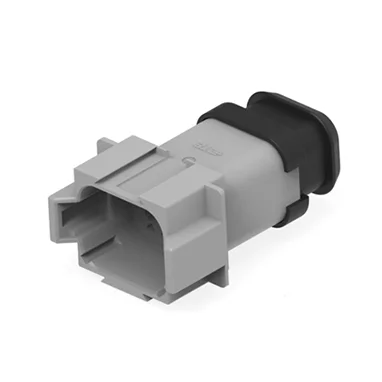
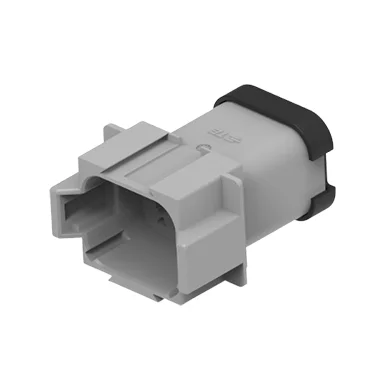
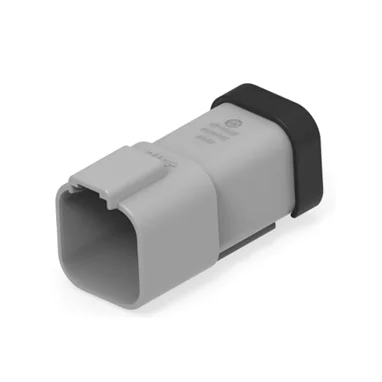
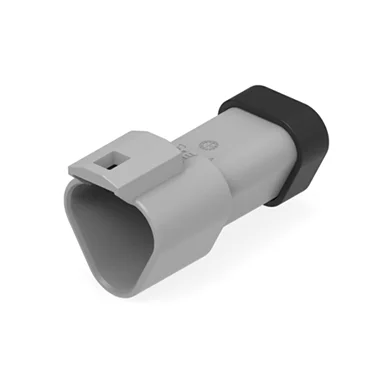
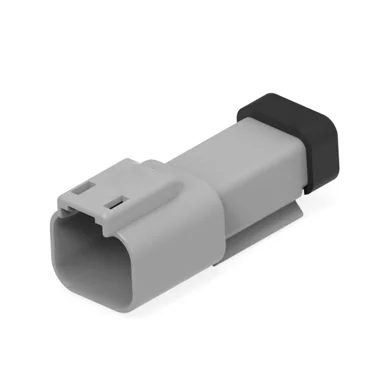
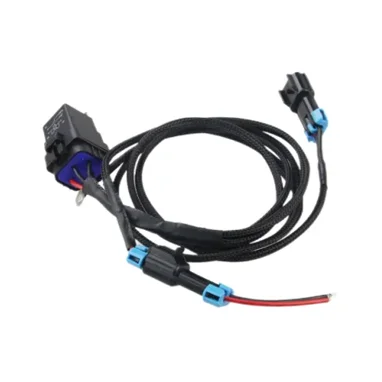
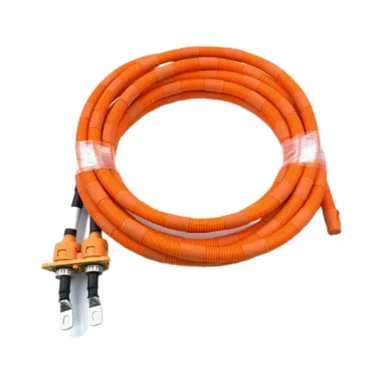
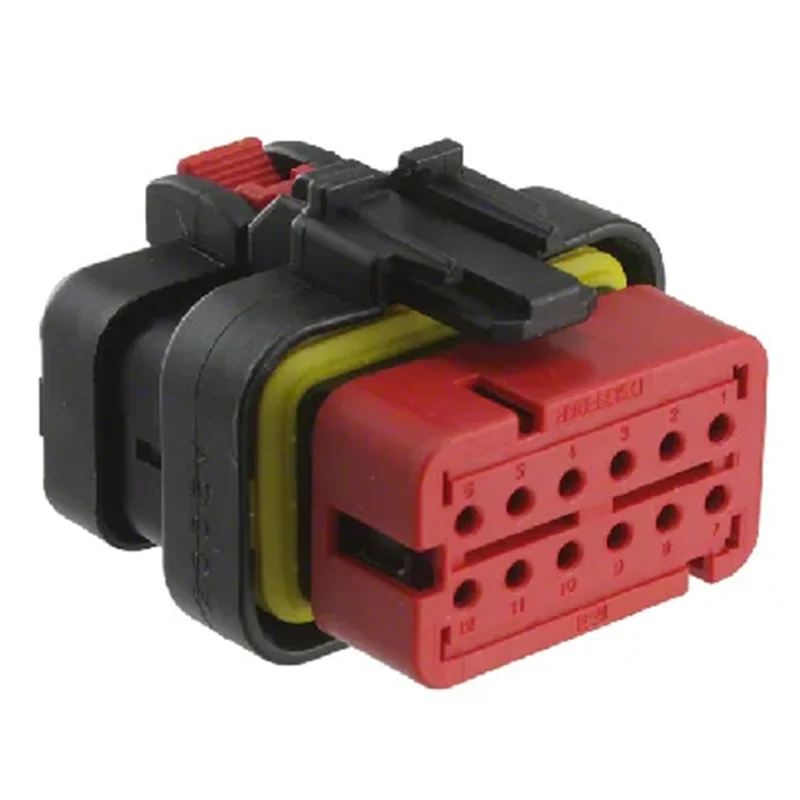
As vehicles become more electrified and electronically complex, the durability and reliability of automotive electrical systems are receiving increasing attention. In this context, connector sealing rings play a vital role in protecting wire harness systems from harsh environmental conditions. Although they are small rubber components, their impact on vehicle safety, performance, and long-term reliability is significant.
To better understand their value, it is essential to explore where connector sealing rings are used in automotive wire harness systems and why they are indispensable.
Understanding Wet Zones and Dry Zones in Vehicles
To begin with, automotive engineers usually divide a vehicle into wet zones and dry zones based on environmental exposure.
Wet zones typically include the engine compartment, chassis underside, wheel areas, and exterior-mounted components. These areas are frequently exposed to rainwater, splashes, mud, oil, dust, and large temperature changes. As a result, electrical components located here face a higher risk of water ingress and corrosion.
In contrast, dry zones include the passenger cabin, luggage compartment, and interior electronic modules. These areas are generally protected from direct water exposure and experience more stable temperature and humidity conditions.
From this perspective, one of the primary functions of connector sealing rings is to isolate wet zones from dry zones, ensuring that moisture does not travel along the wiring harness and damage sensitive electronics.
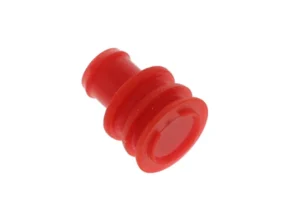
Core Function of Connector Sealing Rings in Wire Harness Systems
Building on this zoning concept, connector sealing rings act as a physical barrier within automotive connectors. Installed between connector housings and wires or terminals, they prevent water, moisture, dust, and chemicals from entering the connector interface.
Without effective sealing, water can reach terminals and conductors, leading to short circuits, corrosion, signal loss, or even complete system failure. Therefore, sealing rings are not optional accessories; they are essential protective components in modern automotive wire harness design.
Key Application Areas of Connector Sealing Rings
Engine Compartment Wire Harnesses
First and foremost, connector sealing rings are widely used in engine compartment wiring systems. This area combines high temperatures, vibration, oil exposure, and frequent moisture contact.
Connectors used for sensors, actuators, fuel injection systems, and engine control units typically rely on sealing rings to maintain stable electrical connections. In these applications, sealing rings help prevent oil vapor and water from penetrating the connector body, which could otherwise degrade electrical performance over time.
Chassis and Underbody Harness Systems
Moving further down the vehicle, chassis and underbody harnesses represent another critical application area. These harnesses are directly exposed to rainwater, road splash, mud, snow, and road salt.
Typical examples include ABS wiring harnesses, wheel-speed sensors, and brake system connectors. In such harsh environments, connector sealing rings are essential for long-term reliability. Without proper sealing, moisture ingress can quickly lead to corrosion and intermittent signal issues, directly affecting vehicle safety systems.
Body-to-Cabin Pass-Through Points
In addition to external exposure, sealing rings are commonly used where wire harnesses pass through body panels or bulkheads. These pass-through points often separate wet exterior zones from dry interior zones.
For example, harnesses routing from the underbody into the cabin area or from the engine compartment into the cockpit require sealing rings to prevent water from migrating inside the vehicle. This application is particularly important in floor harnesses and rear-seat wiring areas, where unnoticed water leakage could cause long-term electrical damage.
Automotive Lighting and Exterior Modules
Another important application involves automotive lighting systems. Headlights, taillights, fog lamps, and exterior sensors are constantly exposed to rain, condensation, and temperature changes.
Here, connector sealing rings help protect terminal contacts from moisture buildup and oxidation. This not only ensures stable lighting performance but also reduces maintenance and replacement costs over the vehicle’s lifespan.
EV and Hybrid Vehicle Wire Harness Systems
With the rise of electric and hybrid vehicles, the importance of sealing has increased even further. High-voltage harnesses require strict insulation and moisture protection standards.
Connector sealing rings used in EV applications help maintain electrical safety and system stability by preventing moisture-related insulation degradation. In these systems, sealing reliability directly supports vehicle safety and compliance with automotive standards.
How Water Enters Connectors and Why Sealing Rings Matter
To fully appreciate the role of sealing rings, it is important to understand how water enters connectors.
One common path is direct water ingress, where rain or splash water enters unsealed connector gaps by gravity. Another less obvious mechanism is the capillary or siphon effect. During operation, electrical components generate heat, increasing internal air pressure. When the system cools down, pressure drops, allowing moisture to be drawn into the connector along the copper wire strands if sealing is inadequate.
Over time, this moisture can cause corrosion, increased contact resistance, and eventual electrical failure. Connector sealing rings effectively block these pathways, making them critical for long-term performance.
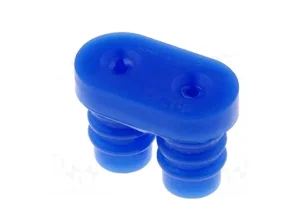
Connector Sealing Rings and Other Sealing Components
At this point, it is useful to distinguish sealing rings from other related components. While wire cavity plugs seal unused wire holes and waterproof plugs for connector contacts provide terminal-level protection, sealing rings focus on sealing the interface between wires and connector housings.
In most automotive applications, these components work together as a complete sealing system. Proper coordination among them ensures that the entire connector assembly meets waterproof and durability requirements.
Sealing Performance Verification in Wire Harness Manufacturing
From a manufacturing standpoint, sealing performance is not assumed—it is tested. Automotive wire harness manufacturers typically integrate sealing tests into their electrical test benches.
These tests often include pressure-based leak detection combined with continuity testing. By applying a defined pressure and monitoring leakage, manufacturers can confirm that sealing rings perform as intended under real-world conditions. This testing process ensures compliance with OEM requirements and helps reduce field failures.
Key Factors When Selecting Connector Sealing Rings
When choosing connector sealing rings, several practical factors must be considered. Material compatibility is essential, as the rubber must withstand temperature extremes, chemicals, and long-term aging. Proper fit with connector housings and wire sizes is equally important to ensure effective sealing.
Additionally, sealing rings must maintain performance under vibration and thermal cycling, both of which are common in automotive environments. For this reason, working with an experienced automotive parts manufacturer is crucial when selecting sealing solutions.
Conclusion: Reliable Sealing Starts with the Right Components
In summary, connector sealing rings are widely used throughout automotive wire harness systems, from engine compartments and underbody applications to cabin pass-through points and EV systems. Their primary role is to separate wet zones from dry zones, preventing moisture ingress that could compromise electrical reliability.
Although small in size, sealing rings have a large impact on vehicle performance, safety, and durability. Selecting the right sealing solution and ensuring proper testing are essential steps in modern automotive design and manufacturing.
Jingu, as a professional automotive parts manufacturer, provides reliable connector sealing rings, wire cavity plugs, and waterproof connector solutions designed for demanding automotive environments. With strong technical support and application expertise, Jingu helps customers improve wire harness reliability and meet industry standards.
If you are looking for dependable sealing components for automotive wire harness systems, Jingu is ready to support your next project.