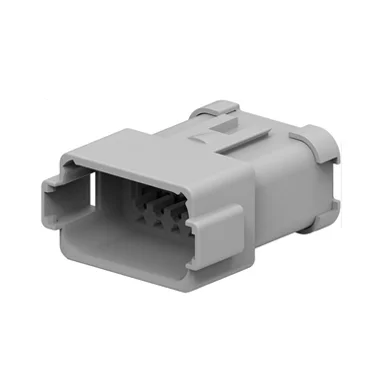
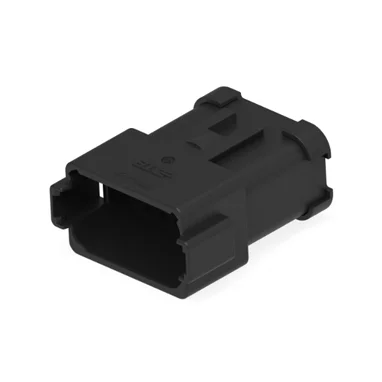
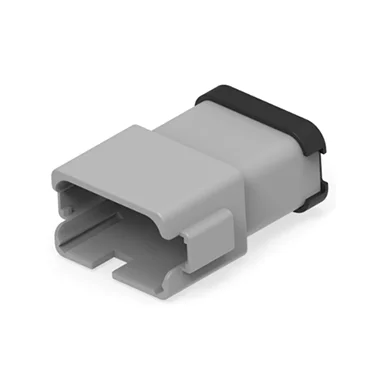
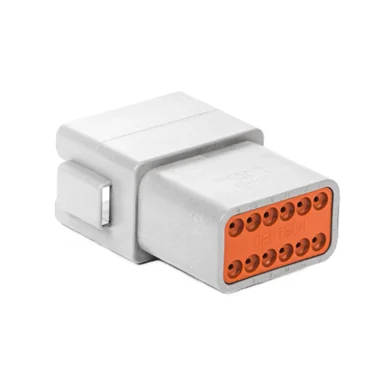
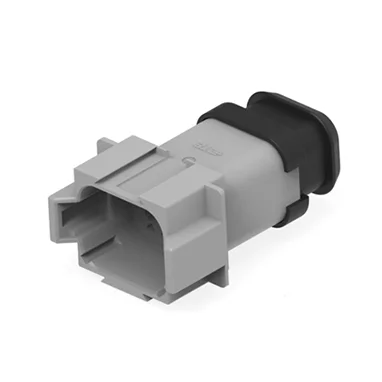
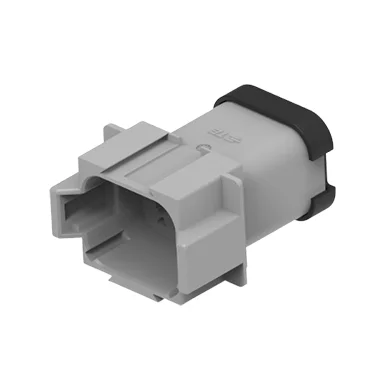
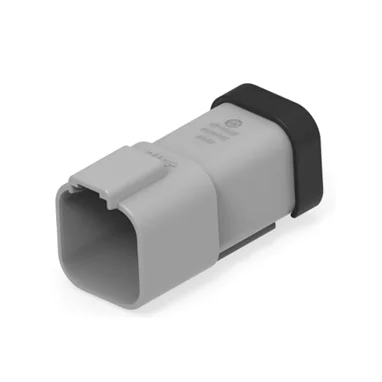
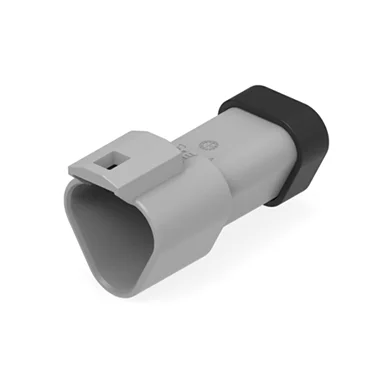
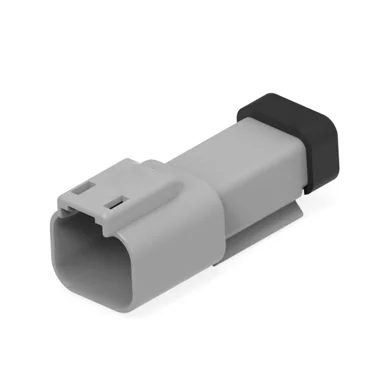
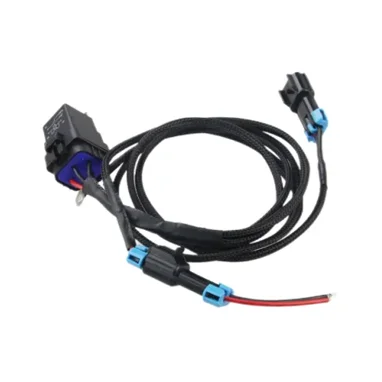
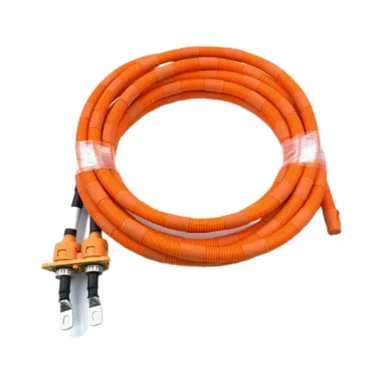
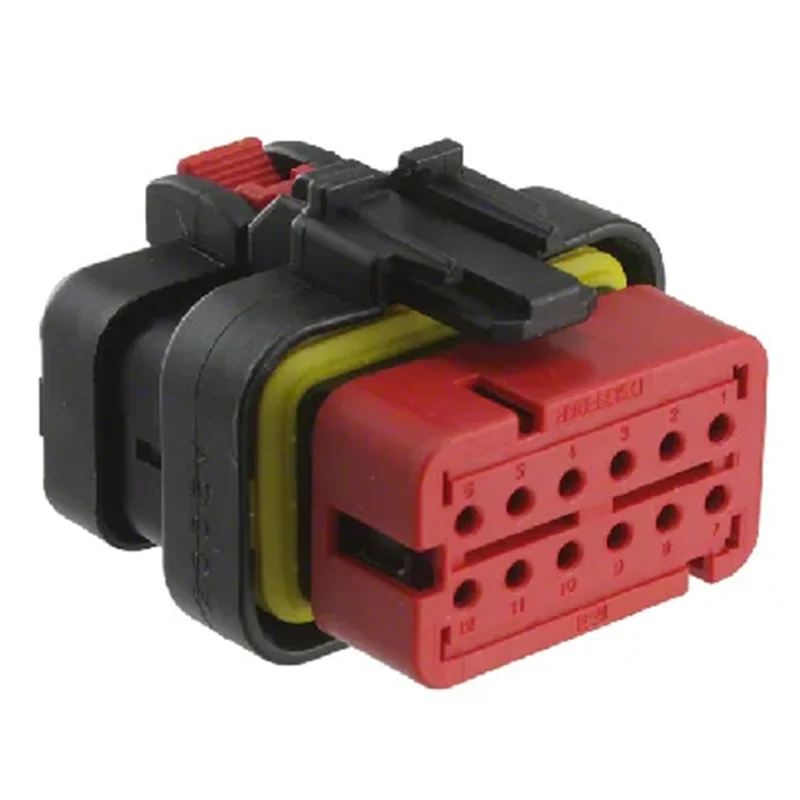
As automotive electrical systems become more complex, ensuring long-term durability and reliability has become a top priority for vehicle manufacturers and parts suppliers. In this context, waterproof sealing rings play a critical role in protecting automotive connectors and wire harness systems from harsh environmental conditions. Choosing the right sealing ring is not only a material decision, but also a system-level consideration that directly affects connector performance, safety, and service life.
This article explains how to choose the right waterproof sealing ring for automotive connectors from a practical and engineering-focused perspective. By understanding application environments, materials, sizing, sealing performance, and testing requirements, readers can make informed decisions that improve overall connector reliability.
Why Waterproof Sealing Rings Matter in Automotive Connectors
To begin with, automotive connectors are often exposed to water, dust, oil, vibration, and temperature changes during vehicle operation. In particular, connectors installed in the engine compartment, underbody, or wheel areas face much harsher conditions than those inside the cabin.
Waterproof sealing rings act as a protective barrier that prevents moisture and contaminants from entering connector interfaces or wire cavities. Without proper sealing, water ingress can lead to corrosion, increased contact resistance, short circuits, and even complete electrical failure. Therefore, selecting the correct sealing ring is essential for maintaining stable electrical performance and reducing warranty risks.
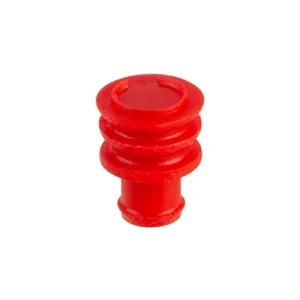
Understanding the Function of Waterproof Sealing Rings
Before discussing selection criteria, it is important to understand what a waterproof sealing ring does in an automotive connector. Typically made from elastomer materials, sealing rings are installed between the wire insulation and connector housing or at the interface between mating connectors.
Their main function is to create a tight seal that blocks external liquids and contaminants while accommodating wire movement and thermal expansion. In a complete wire harness system, sealing rings often work together with wire cavity plugs and interface seals to provide multi-level protection. Each component has a specific role, and selecting the correct sealing ring ensures the entire connector system performs as intended.
Identify the Application Environment First
Wet Zone vs. Dry Zone Applications
One of the most important steps in selecting a waterproof sealing ring is identifying where the connector will be used. In automotive engineering, environments are commonly divided into wet zones and dry zones.
Wet zones include areas such as the engine compartment, chassis underside, wheel arches, and exterior-mounted sensors. These areas are frequently exposed to rainwater, road splash, oil, and dirt. In contrast, dry zones include the cabin, dashboard, and trunk, where exposure to moisture is minimal.
Connectors used in wet zones require higher sealing performance, while those in dry zones may have less demanding requirements. Understanding this distinction helps avoid over-design or under-protection.
Environmental Factors to Consider
Beyond wet or dry classification, other environmental factors also influence sealing ring selection. These include operating temperature range, chemical exposure, vibration levels, and long-term aging conditions. For example, a sealing ring near the engine must withstand higher temperatures and oil exposure compared to one used inside the vehicle interior.
Material Selection for Waterproof Sealing Rings
Common Rubber Materials Used
Once the application environment is clear, material selection becomes the next key factor. Several rubber materials are commonly used for automotive sealing rings:
- Silicone rubber offers excellent high- and low-temperature performance and good flexibility.
- EPDM provides strong resistance to water, steam, and weather aging.
- NBR (nitrile rubber) is suitable for applications involving oils and fuels.
- FKM (fluororubber) is used in demanding environments with high temperatures and aggressive chemicals.
Each material has strengths and limitations, and no single option fits all applications.
How Material Properties Affect Performance
In practice, material properties such as compression set, elasticity, chemical resistance, and aging stability directly affect sealing performance. A sealing ring that loses elasticity over time may fail to maintain sufficient contact pressure, allowing moisture to enter the connector.
Therefore, material selection should balance environmental requirements, expected service life, and cost considerations, rather than focusing on a single performance parameter.
Size, Fit, and Compatibility with Connectors
In addition to material, correct sizing is critical for sealing effectiveness. A waterproof sealing ring must match the wire diameter, connector cavity, and housing design.
If the sealing ring is too loose, it will not provide sufficient compression to block water. If it is too tight, it may be damaged during assembly or cause excessive stress on the wire insulation. Proper tolerance control and compression ratio ensure consistent sealing performance across large-scale wire harness production.
Compatibility with connector housing design is equally important, as sealing rings are often designed to work with specific connector geometries.
Waterproof Performance and Sealing Design
From a design perspective, automotive connectors rely on static sealing rather than dynamic sealing. This means the sealing ring must maintain performance under vibration, thermal cycling, and long-term compression without frequent movement.
The connector structure, including locking mechanisms and cavity shape, plays a significant role in sealing effectiveness. A well-designed sealing ring works together with the connector housing to maintain stable contact pressure under all operating conditions.
Installation and Assembly Considerations
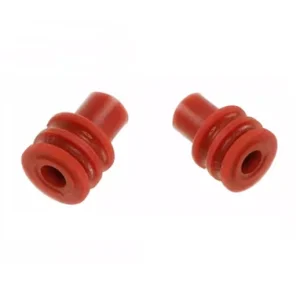
Even the best sealing ring design can fail if installed incorrectly. During wire harness assembly, sealing rings must be positioned accurately and evenly without twisting, tearing, or contamination.
Inconsistent installation can lead to uneven compression and reduced sealing performance. For this reason, sealing rings should be compatible with both manual and automated assembly processes. Clear installation guidelines and quality checks help ensure consistent results in mass production.
Testing and Validation of Sealing Rings
Sealing performance should always be verified through testing rather than assumed. In automotive wire harness manufacturing, sealing tests are often integrated into electrical test benches.
Common practices include pressure testing and leak detection to confirm that sealing rings perform as expected. These tests help identify assembly issues and ensure connectors meet durability and reliability requirements before vehicle installation.
Common Selection Mistakes and How to Avoid Them
Despite their importance, sealing rings are sometimes selected based only on cost or availability. Common mistakes include ignoring real application environments, choosing incorrect sizes, or overlooking long-term aging effects.
To avoid these issues, sealing ring selection should be part of the overall connector and wire harness design process, not an afterthought.
Working with a Reliable Automotive Parts Manufacturer
Finally, partnering with a reliable automotive parts manufacturer is essential for successful sealing ring selection. An experienced supplier can provide technical guidance, material expertise, and consistent quality control.
Customization support, stable supply, and proper testing capabilities all contribute to long-term reliability in automotive connector systems.
Conclusion
Choosing the right waterproof sealing ring for automotive connectors requires a clear understanding of application environments, material properties, sizing, installation, and testing requirements. When selected correctly, sealing rings play a vital role in protecting connectors and wire harness systems from moisture-related failures.
By working with a trusted automotive parts manufacturer like Jingu, customers can benefit from professional technical support, reliable quality, and tailored sealing solutions designed for real automotive applications. Jingu is committed to helping customers improve connector reliability and overall system performance through high-quality sealing components and long-term partnership support.