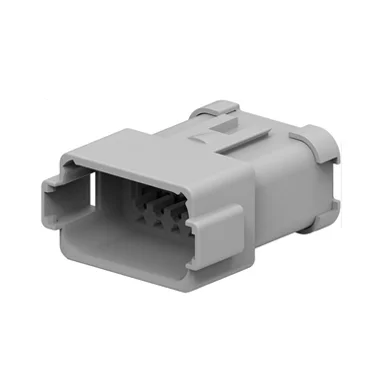
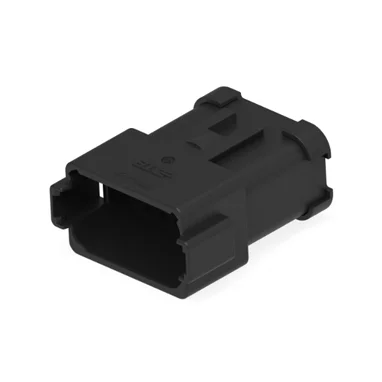
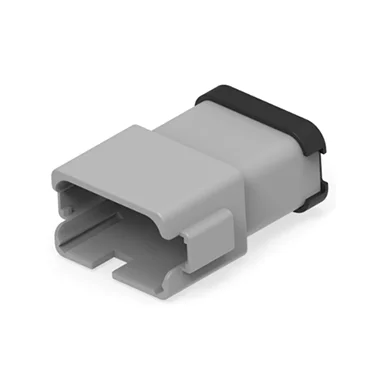
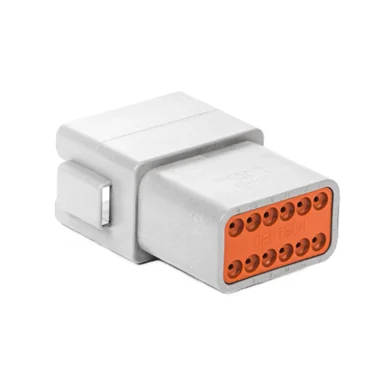
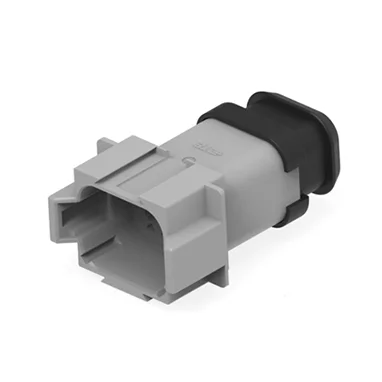
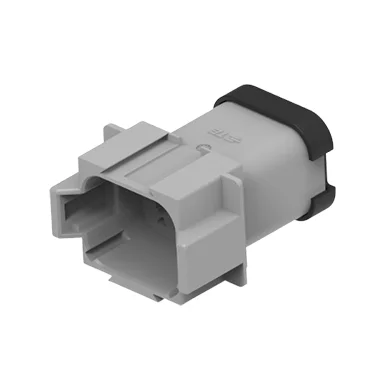
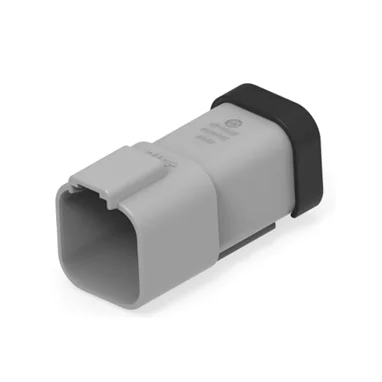
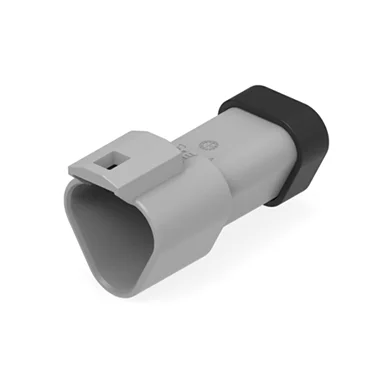
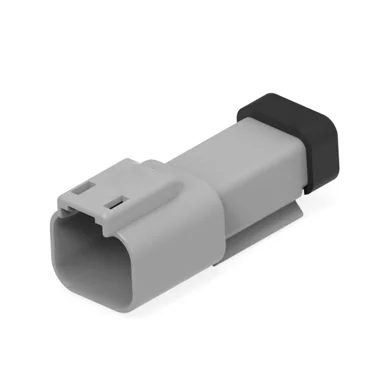
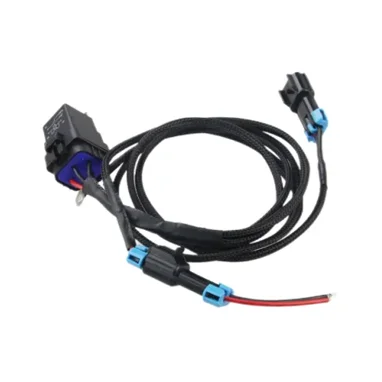
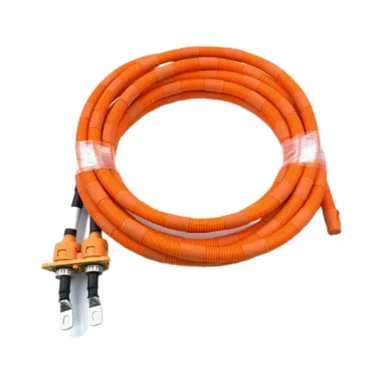
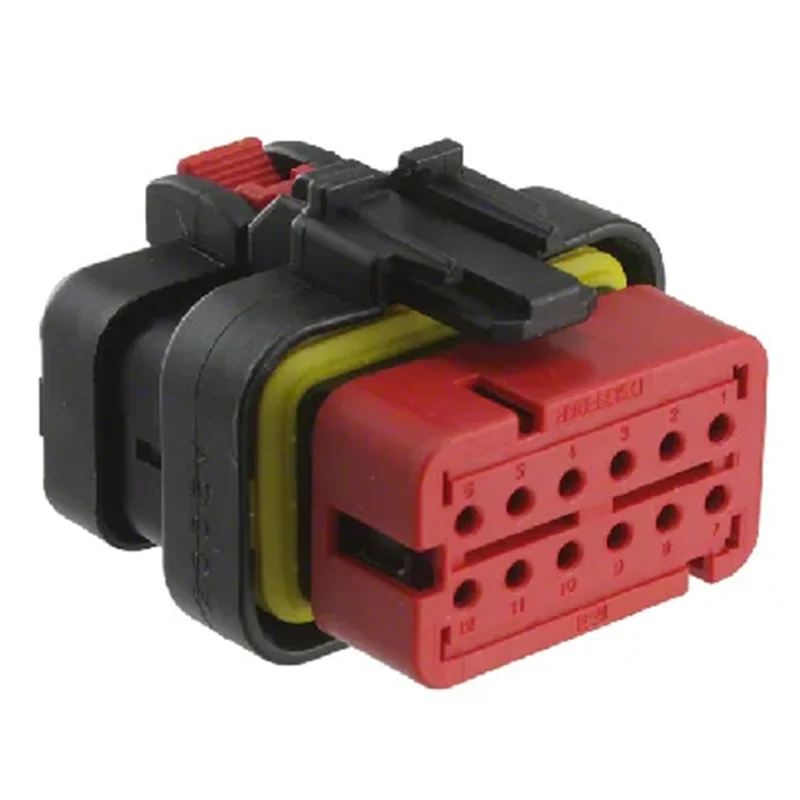
In automotive systems, connector sealing rings play a vital role in ensuring long-lasting and reliable performance. Whether you’re working with engine compartments, chassis components, or critical wiring harnesses, choosing the right sealing ring material can significantly affect the durability and functionality of the components. Two of the most common materials used for automotive connector sealing rings are EPDM (Ethylene Propylene Diene Monomer) and Silicone. Both materials have their distinct advantages and are suited to different types of applications. In this article, we will explore the differences between EPDM and Silicone sealing rings, helping you make an informed decision on which material is best for your automotive needs.
What Are EPDM and Silicone Rubber?
Before diving into the specific benefits and drawbacks of each material, it’s essential to understand their basic properties. EPDM is a synthetic rubber made primarily from ethylene and propylene, along with a diene monomer to provide cross-linking. This rubber is widely used in automotive applications due to its excellent resistance to water, ozone, and weathering. EPDM is particularly favored for sealing applications that require good performance under harsh environmental conditions.
On the other hand, Silicone, a polymer made from silicon, oxygen, carbon, and hydrogen, is renowned for its high-temperature stability and excellent flexibility. Silicone sealing rings are often used in applications where the components must withstand extreme temperatures and maintain their flexibility over a long period. Although it is not as chemically resistant as EPDM, Silicone’s versatility makes it highly effective in applications requiring heat resistance and low compression set performance.
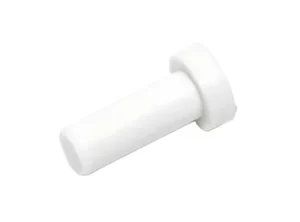
Performance Comparison: EPDM vs Silicone in Automotive Connector Sealing
1. Temperature Resistance
One of the primary factors when choosing a sealing ring for automotive connectors is the material’s ability to withstand temperature extremes. EPDM is known to perform well within a temperature range of -40°C to 150°C (-40°F to 302°F), making it suitable for a wide range of applications, including engine compartments, HVAC systems, and doors.
However, Silicone excels in environments that require even higher temperature resistance. It can maintain its properties in temperatures ranging from -55°C to 250°C (-67°F to 482°F), which is especially beneficial for automotive systems operating in high-heat areas, such as near exhaust systems, engine components, and high-performance engines.
2. Compression Set and Durability
Compression set is a key factor in determining the longevity of a sealing ring. It refers to the material’s ability to retain its shape after prolonged compression. Both EPDM and Silicone have good compression set resistance, but Silicone typically performs better in this regard. Its low compression set ensures that it maintains its sealing properties over a longer period, even under continuous pressure and temperature changes.
EPDM, while still offering good compression set resistance, is more prone to some degradation over time, especially when exposed to extreme temperature fluctuations. This makes Silicone the better choice for applications that require long-term sealing reliability, particularly in high-temperature zones.
3. Chemical and Fluid Resistance
In automotive applications, connectors and sealing rings are exposed to various fluids, including oil, brake fluid, coolant, and fuel. Here, EPDM has a clear advantage. It exhibits excellent resistance to water, acids, alkalis, and even phosphate esters, making it ideal for sealing applications exposed to automotive fluids and environmental factors.
Silicone, however, has limited resistance to oils, greases, and hydrocarbon-based fuels. While it offers good resistance to brake fluids and certain chemicals, its vulnerability to oil and solvents makes it less suitable for applications involving prolonged contact with such substances.
4. Abrasion Resistance
Abrasion resistance is another crucial factor when choosing sealing materials for automotive connectors. EPDM generally offers good abrasion resistance, making it effective in applications where the sealing ring might come into contact with moving parts or rough surfaces. This is one of the reasons EPDM is commonly used in applications such as door seals and gaskets.
Silicone, while highly flexible and resistant to high temperatures, has relatively poor abrasion resistance. Over time, Silicone seals can wear down when exposed to mechanical stress, making it less suitable for applications where the sealing ring will experience significant friction or movement.
5. Weather Resistance and UV Stability
Both EPDM and Silicone offer excellent weather resistance, making them suitable for outdoor automotive applications. EPDM is particularly known for its resistance to ozone, UV radiation, and weathering. This makes it ideal for use in areas exposed to harsh environmental conditions, such as automotive weather seals and gaskets.
Silicone, while resistant to UV light, may degrade over time under prolonged exposure to sunlight compared to EPDM. However, Silicone still performs well in high-heat environments and remains flexible, making it suitable for applications where flexibility is critical, even under weather exposure.
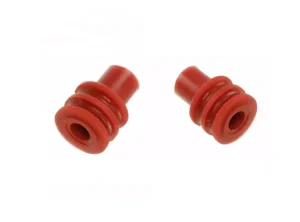
When to Choose EPDM or Silicone Sealing Rings for Automotive Connectors
Choose EPDM When:
- The sealing ring is exposed to a variety of automotive fluids, including water, brake fluid, and oils.
- The application requires good abrasion resistance, especially in parts that experience mechanical stress.
- The environment involves moderate to high-temperature ranges, but extreme heat isn’t a significant concern.
You need a cost-effective solution for applications with moderate sealing requirements, such as door seals, gaskets, and weather strips.
Choose Silicone When:
- The sealing ring needs to perform in extreme temperature conditions, particularly in high-heat zones like engine compartments or near exhaust systems.
- The application demands low compression set and long-term durability under sustained pressure.
- The component is exposed to minimal oils or fuel-based chemicals but needs excellent resistance to heat and high flexibility.
- The application requires a material that can maintain flexibility and sealing properties over a long period, even in high-performance automotive environments.
Conclusion: Making the Right Choice for Your Automotive Connector Sealing Needs
Both EPDM and Silicone sealing rings have their unique advantages and are suitable for different automotive applications. The choice between the two materials largely depends on the specific requirements of your automotive connector system, including temperature resistance, fluid compatibility, durability, and environmental conditions.
When selecting a sealing ring material for automotive connectors, it’s essential to consider the specific needs of the application. EPDM is generally better suited for sealing applications exposed to water, oils, and harsh environmental conditions, while Silicone is the material of choice for high-temperature environments and long-term flexibility.
At Jingu, an experienced automotive parts manufacturer, we specialize in providing high-quality sealing solutions tailored to meet your exact requirements. Whether you need EPDM or Silicone sealing rings for automotive connectors, we offer expert guidance and top-notch products to ensure the reliability and durability of your automotive systems. Contact us today for more information on our sealing solutions and how we can assist in your next project.