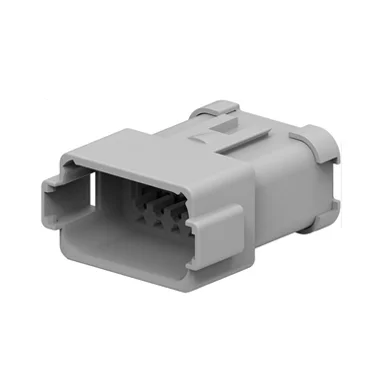
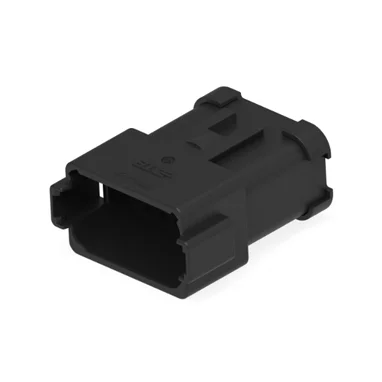
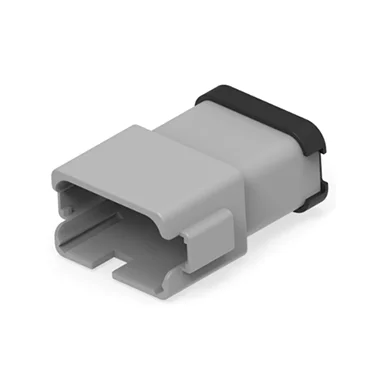
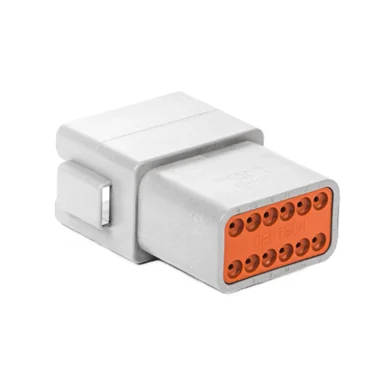
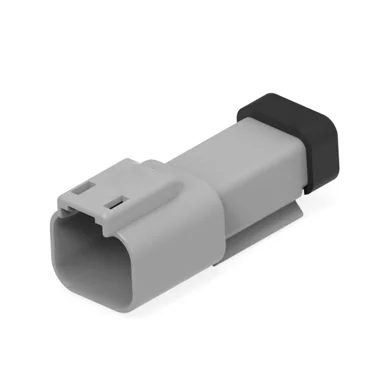
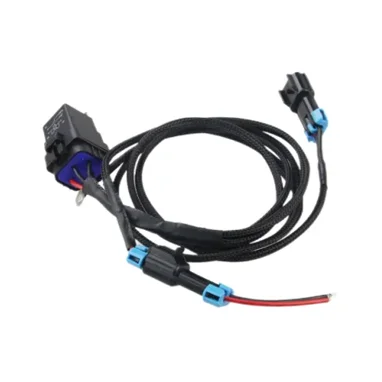
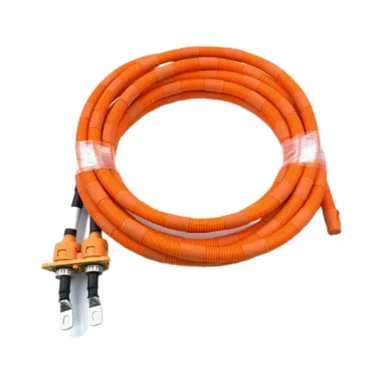
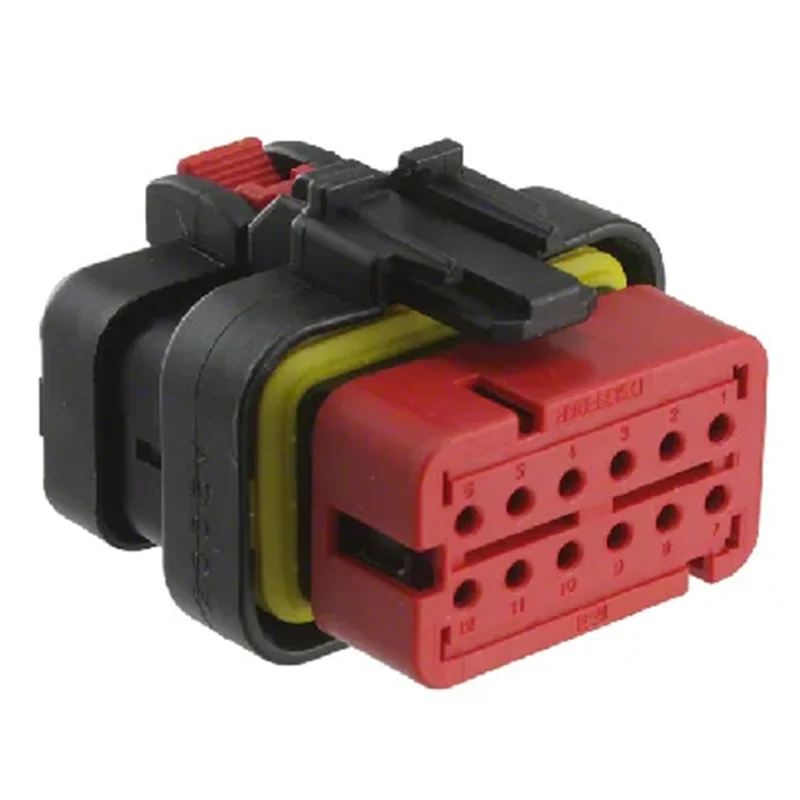
Automotive wire harness systems play a vital role in ensuring the safety, reliability, and performance of vehicles. One critical component of these systems is the ability to properly seal unused connector holes. Whether you’re dealing with spare pins in a multi-pin connector or unused cavities for future wiring upgrades, sealing these open spaces is crucial to prevent contaminants, moisture, and other elements from causing damage to the system. In this article, we will explore how wire cavity plugs work to seal unused connector holes, ensuring long-lasting durability and preventing failure due to external factors.
Introduction: The Importance of Sealing Unused Connector Holes
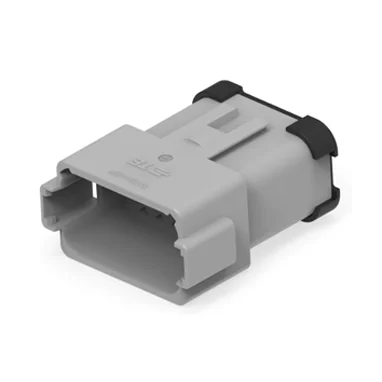
In modern vehicles, connectors are often designed with multiple cavities to accommodate various functions and future upgrades. However, not all cavities are in use at the time of manufacturing or installation. These unused holes, if left open, can expose the connector to various risks such as moisture ingress, dust accumulation, and even short circuits. This is where wire cavity plugs come into play. These small but highly effective sealing elements ensure that unused cavities are fully sealed, preventing contamination and maintaining the integrity of the entire connector system.
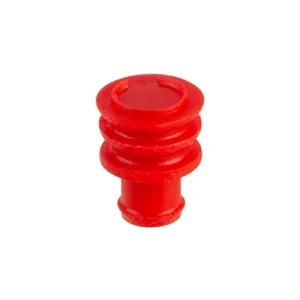
What Is a Wire Cavity Plug?
A wire cavity plug is a rubber or silicone element designed to seal unused cavities within a connector housing. Unlike single-wire seals, which are used to seal wires entering a connector, cavity plugs are used in positions where no wire is inserted. These plugs fit securely into the cavity and create a tight seal to prevent any external factors from affecting the performance of the connector.
Cavity plugs come in various shapes and sizes to fit the specific geometry of the connector’s unused cavities. They are typically made from durable, weather-resistant materials such as silicone or EPDM rubber, both of which offer excellent sealing properties even under harsh environmental conditions.
How Do Wire Cavity Plugs Work?
The primary function of a wire cavity plug is to create a secure seal within an unused cavity, blocking any entry of moisture, dirt, or other contaminants. This is crucial in automotive applications, as even small amounts of moisture can cause short circuits, corrosion, or signal failure.
The cavity plug works by fitting snugly into the unused connector hole, creating a barrier that prevents the ingress of contaminants. The material used for the cavity plug, typically silicone or EPDM, provides a robust and flexible seal. These materials expand slightly when inserted into the cavity, creating a tight fit that prevents leakage. This compression ensures that the plug remains securely in place throughout the vehicle’s lifetime, even when exposed to high temperatures, vibrations, or other challenging conditions.
Key Advantages of Using Wire Cavity Plugs
There are several reasons why wire cavity plugs are essential for automotive connectors:
- Prevents Moisture Ingress: One of the primary functions of cavity plugs is to prevent water from entering unused connector cavities. This is particularly important in areas exposed to rain, snow, or high humidity. Moisture can lead to corrosion and electrical failure if left unchecked.
- Protects Against Contaminants: Dust, dirt, and debris can easily enter an open connector cavity. Over time, these contaminants can damage the internal components, leading to poor connection quality or even failure. By sealing the cavity, cavity plugs protect the integrity of the connector system.
- Enhances Durability: By protecting the connector from external factors, cavity plugs help improve the overall lifespan of the automotive wiring system. They reduce wear and tear on the internal components, keeping the system functioning optimally for longer.
- Ensures Safety: Unused cavities can pose safety risks if left unsealed. For instance, they could lead to electrical shorts or other hazards. Cavity plugs reduce these risks by providing a tight, reliable seal.
Materials Used for Wire Cavity Plugs
The choice of material for a wire cavity plug is critical to its effectiveness. Typically, these plugs are made from either silicone rubber or EPDM (Ethylene Propylene Diene Monomer), both of which are known for their excellent sealing properties and durability in harsh environments.
- Silicone Rubber: Silicone is known for its exceptional flexibility, high-temperature resistance, and low compression set. It remains pliable even at low temperatures, making it ideal for automotive applications where extreme temperature fluctuations are common.
- EPDM Rubber: EPDM is another popular material used for cavity plugs. It offers excellent resistance to water, weathering, and ozone, making it well-suited for outdoor applications. EPDM is also known for its durability, abrasion resistance, and resistance to many chemicals.
Both materials are designed to withstand the demanding conditions of automotive environments, ensuring that the connector cavities remain sealed and protected throughout the vehicle’s lifespan.
Applications of Wire Cavity Plugs in Automotive Systems
Wire cavity plugs are used in various areas of automotive wiring systems, especially in connectors where certain pins or cavities are not utilized at the time of installation. Some common applications include:
- Engine Compartments: The engine compartment is exposed to extreme heat, moisture, and vibrations, making it a critical area where sealing plugs are needed. Cavity plugs help ensure that unused cavities in connectors are sealed to prevent water or dirt ingress.
- Chassis Wiring: In areas like the vehicle’s underbody or chassis, where connectors might be exposed to mud, rain, or road debris, cavity plugs provide an essential layer of protection.
- Sensor Connectors: Many modern vehicles include sensors for monitoring various functions, such as exhaust systems, fuel management, and safety features. These connectors often include unused cavities that need to be sealed to ensure the performance of the sensor.
How to Choose the Right Wire Cavity Plug
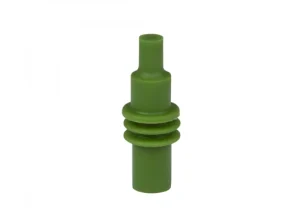
Selecting the right wire cavity plug depends on several factors, including the size of the cavity, the material compatibility, and the environmental conditions the plug will be exposed to. When choosing a cavity plug for automotive connectors, consider the following:
- Size and Fit: Ensure the plug is the right size for the cavity. A loose-fitting plug won’t provide an effective seal.
- Material Properties: Choose between silicone and EPDM depending on the temperature range, chemical exposure, and environmental conditions the connector will face.
- Environmental Resistance: Consider the exposure to moisture, dust, chemicals, and temperature extremes. Select a plug material that can withstand these conditions for long-lasting protection.
Conclusion: The Role of Wire Cavity Plugs in Automotive Connector Protection
In conclusion, wire cavity plugs are essential components in ensuring the reliability and longevity of automotive connector systems. By preventing contaminants, moisture, and other damaging factors from entering unused cavities, these plugs enhance the durability of the entire electrical system. Choosing the right material and ensuring a proper fit is crucial for maximizing the effectiveness of the seal and protecting the vehicle’s wiring system.
At Jingu, we understand the importance of high-quality, durable sealing solutions for automotive connectors. As an experienced automotive parts manufacturer, we offer a wide range of wire cavity plugs designed to meet the demanding requirements of modern vehicles. Contact us today to learn more about our sealing solutions and how they can enhance the reliability of your automotive systems.