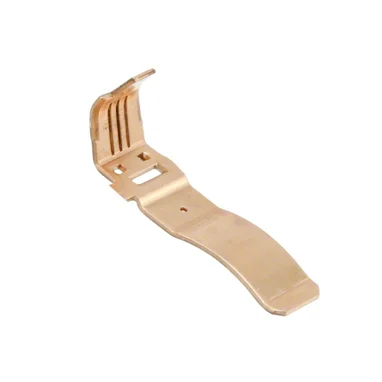
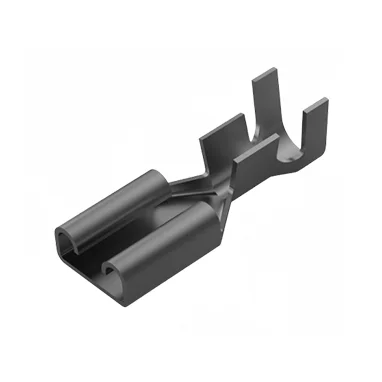
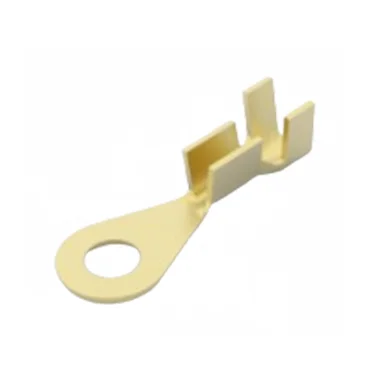
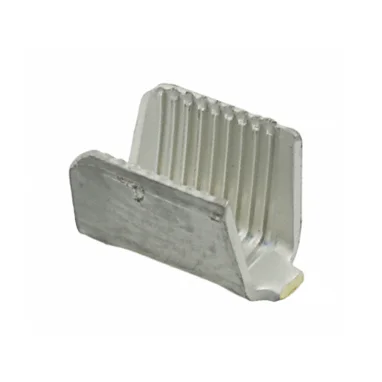
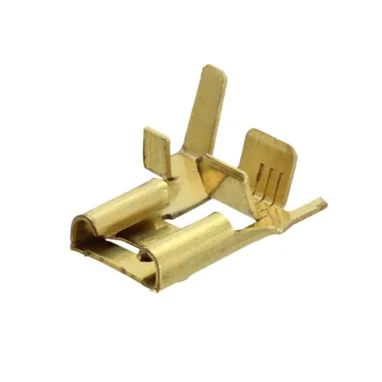
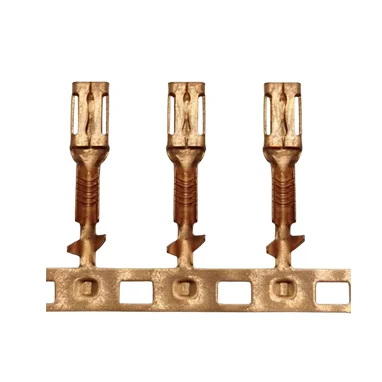
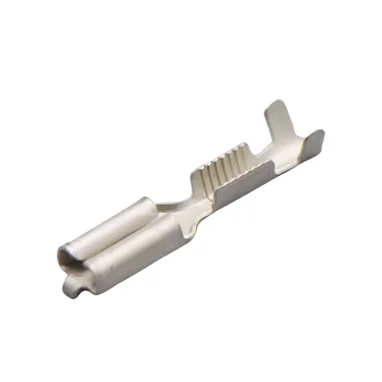
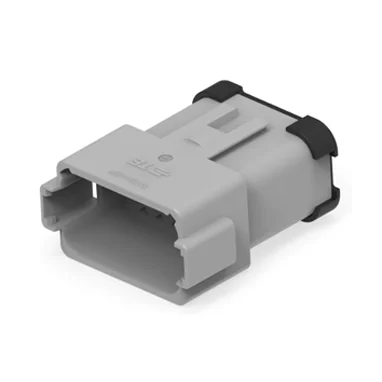
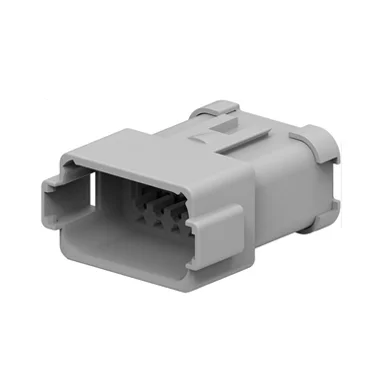
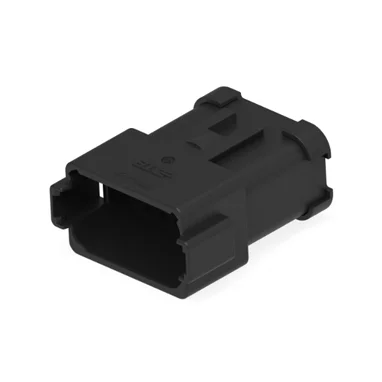
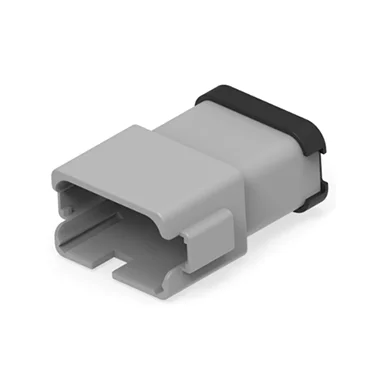
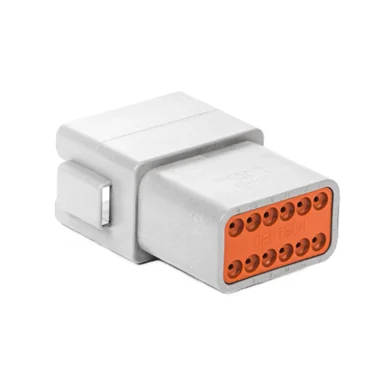
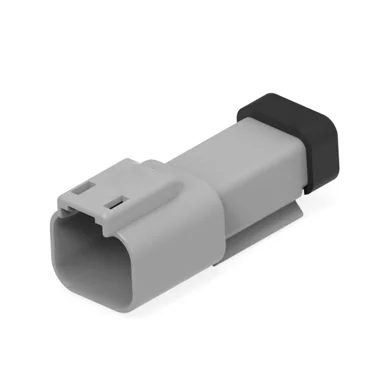
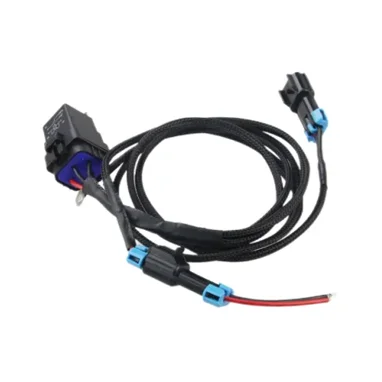
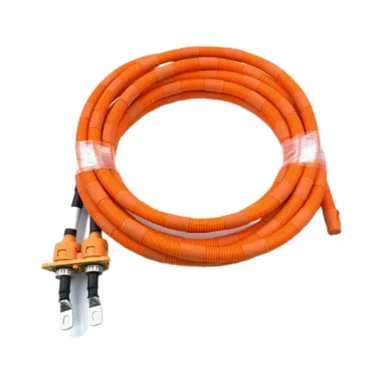
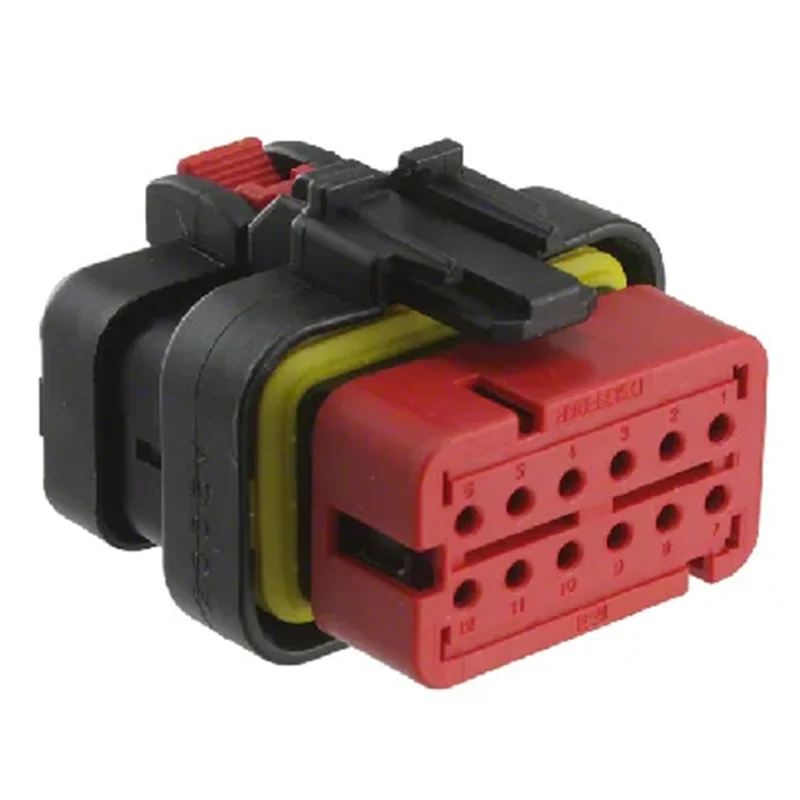
the reliability of an automotive electrical system depends heavily on the quality of its wiring harness connections. In modern vehicles, wiring harnesses connect sensors, controllers, batteries, lighting systems, and many other electrical components. At the end of each wire, a terminal is usually attached to create a stable electrical connection.
Among the many connection methods used in automotive manufacturing, crimping is one of the most widely adopted techniques. This process mechanically compresses a metal terminal around a conductor to form both electrical and mechanical contact. When performed correctly, crimping provides low contact resistance, strong pull-out force, and long-term reliability under vibration and temperature changes.
Traditionally, open-end terminals have been widely used in automotive harness production. However, with the rapid development of electric vehicles, high-current circuits, and battery systems, closed-end terminals are becoming increasingly important. These terminals require different crimping methods due to their cylindrical structure. Therefore, understanding the common types of closed-end terminal crimping and their applications is essential for engineers and manufacturers working with automotive wiring systems.
Open-End vs Closed-End Terminals in Automotive Wiring
Before discussing crimping types, it is helpful to understand the difference between open-end and closed-end terminals.
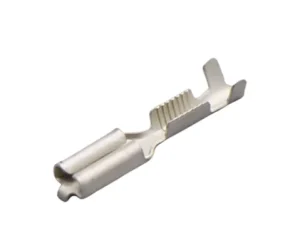
First of all, open-end terminals feature two metal wings that wrap around the conductor during the crimping process. This structure allows for efficient automated processing, making it suitable for large-scale automotive wiring harness production. The technology and standards for open-end terminal crimping are well established across the industry.
In contrast, closed-end terminals have a tubular structure at the rear of the terminal. The wire is inserted into the cylindrical barrel and then compressed using specialized tools or dies. Because of this design, closed-end terminals often provide stronger mechanical support and are commonly used in high-current circuits.
As a result, closed-end terminals are frequently found in applications such as battery connections, power distribution systems, and other heavy-duty electrical circuits in vehicles. Due to their thicker walls and different structure, these terminals require specialized crimping techniques to ensure reliable connections.
Main Crimping Types for Closed-End Terminals
Different crimping methods are used depending on the terminal structure, material thickness, and electrical requirements. The following sections introduce several common crimping types used for closed-end terminals.
Diamond Crimp
To start with, diamond crimping is one of the simpler crimping methods used for certain types of closed-end terminals. In this method, the compression forms a diamond-shaped deformation around the terminal barrel.
Because the crimp force is relatively moderate, diamond crimping is often used for terminals with thinner walls. In many cases, the process can be performed using manual crimping tools rather than large industrial equipment.
However, due to its relatively limited compression strength, this crimping method is not commonly used for critical automotive power connections. Instead, it is more suitable for light-duty electrical applications or smaller harness assemblies where high current capacity is not required.
Single-Point Crimp
Next, single-point crimping applies pressure to the terminal barrel at one specific point. This concentrated force causes the metal to deform inward and secure the wire inside the terminal.
Compared with diamond crimping, this method can generate stronger compression. However, because many closed-end terminals used in automotive applications have thick walls, manual tools are often insufficient to create the required crimp force.
Therefore, single-point crimping is commonly performed using hydraulic crimping tools or stamping presses. These tools provide enough force to deform the terminal material properly and ensure stable electrical contact.
This method is frequently used in automotive power lines, where strong mechanical retention and reliable conductivity are required.
Double-Point Crimp
Another commonly used method is double-point crimping, where two pressure points compress the terminal barrel simultaneously.
Compared with single-point crimping, double-point compression distributes the force more evenly across the terminal structure. This helps improve the mechanical stability of the connection and reduces the risk of uneven deformation.
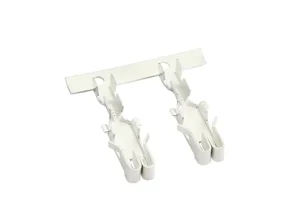
In most industrial production environments, double-point crimping is performed using stamping presses equipped with specially designed crimping dies. These dies allow precise control of the crimp height and shape, which is important for maintaining consistent connection quality during high-volume manufacturing.
Because of these advantages, double-point crimping is widely used in automotive wiring harness production for medium- to high-current connections.
Four-Point Crimp
Moving further, four-point crimping is a more advanced crimping method that applies pressure from four directions around the terminal barrel. After crimping, four symmetrical indentations can usually be seen on the terminal surface.
One of the key advantages of this method is that the compression force is distributed more evenly around the wire conductor. This helps create a compact and stable electrical joint while minimizing internal gaps.
Due to its high reliability, four-point crimping is often used in industries where connection stability is extremely important, such as aerospace and industrial equipment.
However, the tooling required for four-point crimping is more complex and expensive. For this reason, it is not always the preferred option for standard automotive harness production unless high reliability is required.
Hexagonal Crimp
Finally, hexagonal crimping is commonly used for large closed-end terminals with thick walls. In this process, the crimping die compresses the terminal into a hexagonal shape around the conductor.
This structure provides strong and uniform compression around the entire circumference of the wire. As a result, hexagonal crimping is particularly suitable for high-current electrical connections, such as battery cables and power distribution systems.
However, achieving a proper hexagonal crimp requires careful matching between the wire size and the terminal barrel diameter. If the dimensions are not properly matched, internal gaps may form, which can reduce electrical conductivity and mechanical strength.
For this reason, manufacturers often perform strict quality control and dimensional checks when using hexagonal crimping in automotive applications.
Equipment Used for Closed Terminal Crimping
In addition to selecting the appropriate crimping method, choosing the right equipment is also important for achieving consistent results.
Manual crimping tools are commonly used for small-scale production, maintenance work, or thin-walled terminals. These tools are portable and easy to operate but may not provide sufficient force for thicker terminals.
Hydraulic crimping tools offer higher compression force and are frequently used for heavy-duty electrical connections such as battery cables.
For large-scale automotive manufacturing, stamping presses equipped with precision crimping dies are widely used. These systems allow accurate control of crimp height, pressure, and shape, ensuring consistent product quality in mass production.
Conclusion
In summary, closed-end terminals play an increasingly important role in modern automotive wiring harness systems, particularly in high-current and power distribution applications. Different crimping methods—including diamond crimp, single-point crimp, double-point crimp, four-point crimp, and hexagonal crimp—are designed to meet different structural and performance requirements.
By selecting the appropriate crimping method and using proper equipment, manufacturers can achieve reliable electrical conductivity, strong mechanical retention, and long-term durability. These factors are essential for ensuring the safety and stability of automotive electrical systems.
If you are looking for reliable automotive connector components and precision connection solutions, Jingu can support your needs. As an experienced automotive parts manufacturer, Jingu provides high-quality connector components, terminals, and precision metal parts designed for modern automotive electrical systems. With advanced manufacturing capabilities and strict quality control, Jingu helps global customers build durable and efficient automotive connections.