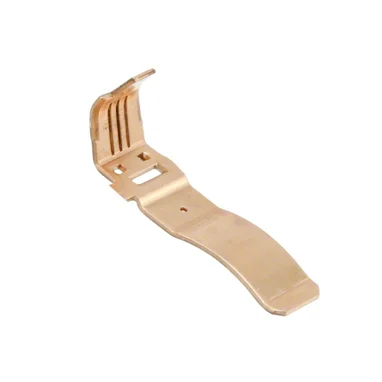
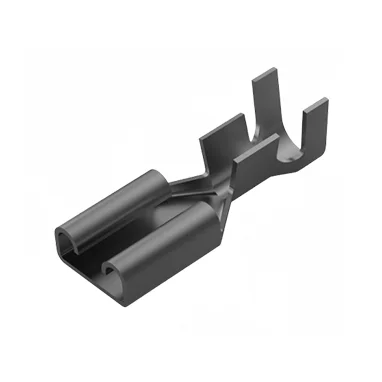
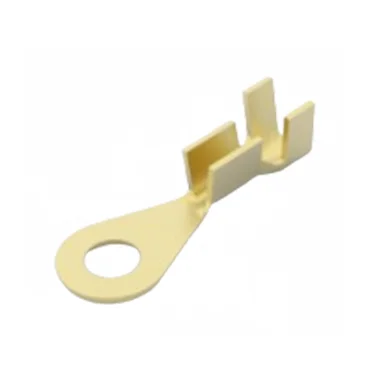
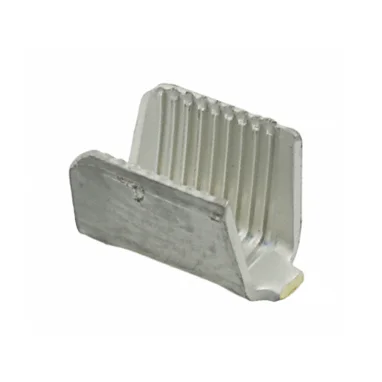
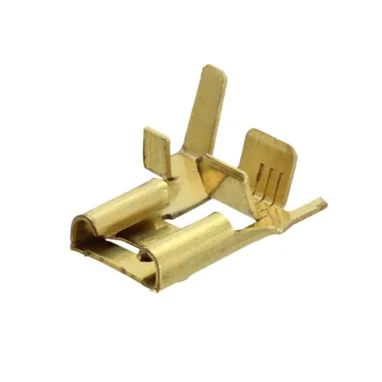
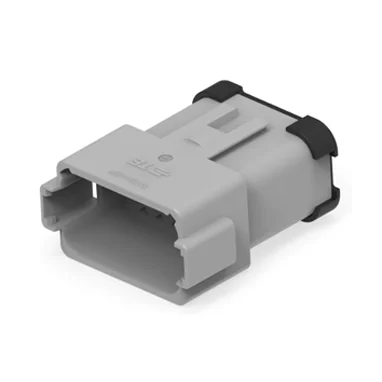
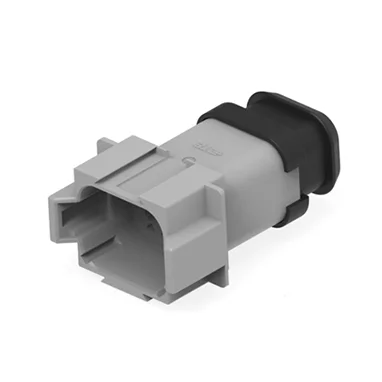
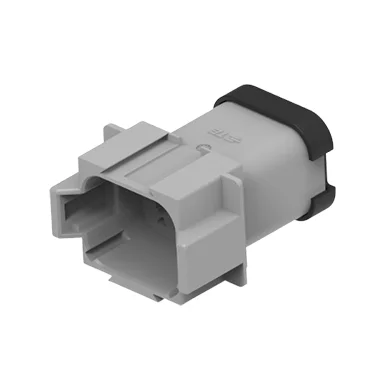
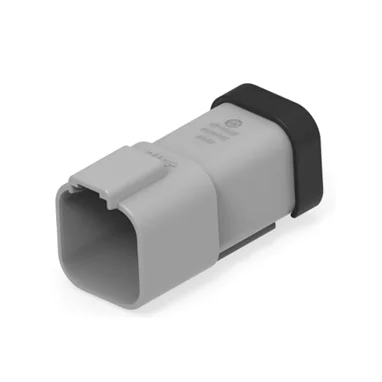
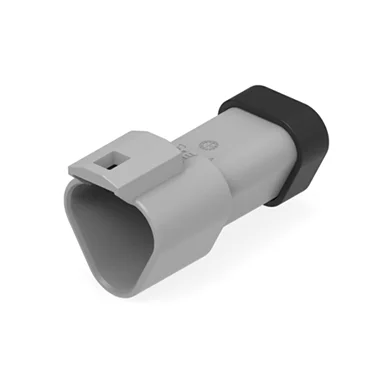
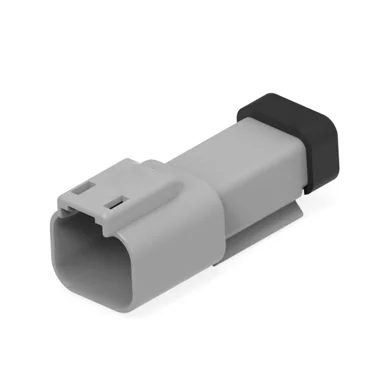
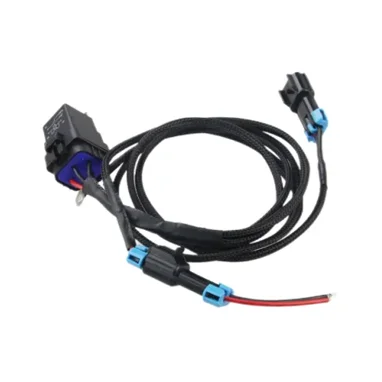
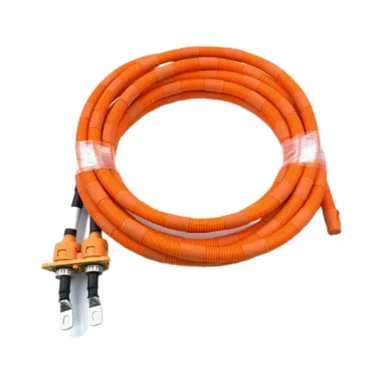
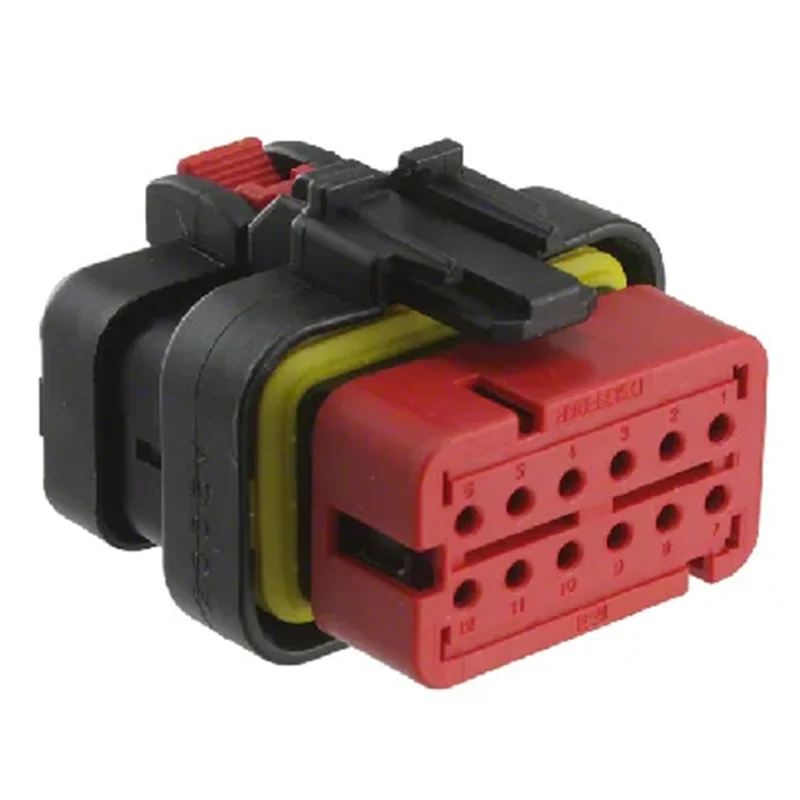
Modern vehicles rely heavily on complex electrical systems to support functions such as engine management, safety systems, infotainment, and advanced driver assistance technologies. In these systems, automotive connectors and terminals play a critical role in transmitting electrical signals and power between components. Because of this, the structural design and crimping quality of terminals directly affect system reliability and safety.
In particular, automotive terminals must ensure stable electrical contact, strong mechanical retention, and long-term durability under vibration and temperature changes. Therefore, understanding the functional parts of automotive terminals, key structural regions, and proper crimping methods is essential for manufacturers and engineers working with wiring harness systems.
Key Functional Parts of Automotive Terminals
Terminal Locking Structure
First of all, one of the most important structural features of a terminal is the self-locking structure, which secures the terminal inside the connector housing. This locking feature prevents the terminal from moving backward or falling out during installation or operation.
In general, terminals may use several locking positions, such as front locking, rear locking, or side locking. Once the terminal is inserted into the housing, the locking mechanism engages with the connector body and ensures that the terminal remains firmly fixed in place.
Conductor Crimp Area
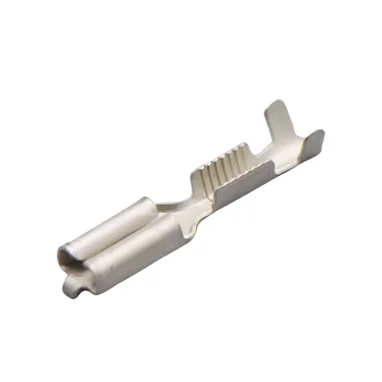
Next, the conductor crimp area is the region where the terminal directly contacts the metal conductor of the wire. This area is responsible for transferring electrical current or signal between the wire and the terminal.
Because this region determines the electrical performance of the connection, it must provide sufficient compression between the terminal and the wire strands. A properly formed crimp ensures low electrical resistance, strong mechanical retention, and stable signal transmission.
Insulation Crimp Area
In addition to the conductor crimp area, terminals also include an insulation crimp area that grips the wire insulation layer. Although this area does not carry electrical current, it plays an important mechanical role.
Specifically, the insulation crimp area serves two main functions. First, it prevents the insulation layer from moving backward and exposing the conductor. Second, it limits excessive movement of the wire relative to the terminal, which helps prevent conductor fatigue or breakage caused by vibration.
Terminal Guide Rail or Positioning Structure
Another important structural feature is the guide rail or positioning structure. This component helps guide the terminal when it is inserted into the connector housing.
During assembly, the guide structure ensures that the terminal enters the housing in the correct orientation. After installation, it also helps stabilize the terminal and prevents rotation or lateral movement, ensuring reliable connector assembly.
Carrier Strip Cutting Point
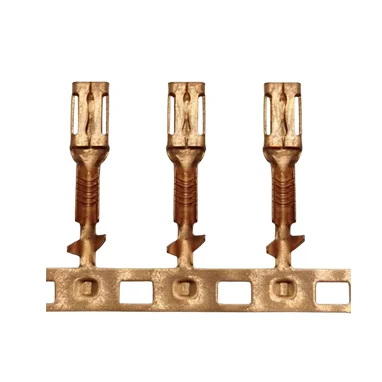
During the manufacturing process, terminals are typically produced using metal stamping. In this process, multiple terminals remain connected to a carrier strip until the final assembly stage.
Therefore, the carrier strip cutting point is the location where the terminal is separated from the strip during crimping or assembly. This step allows the terminal to be individually connected to a wire.
Protection Tabs and Structural Reinforcement
Furthermore, automotive terminals often include front and rear protection tabs. These small structural features help protect the wire conductor during the crimping process.
When the terminal is crimped, mechanical pressure deforms the metal to secure the wire. Protection tabs help control this deformation and prevent the wire strands from being damaged.
Crimp Brush (Conductor Extension)
Another important feature in crimping quality inspection is the crimp brush, which refers to the small portion of the conductor that may extend slightly beyond the crimped area.
This exposed conductor helps confirm that the wire has been fully inserted into the terminal before crimping. However, the extension must remain within a controlled range to avoid interference with other terminal functions.
Functional Regions of Automotive Terminals
Crimp Zone
Moving forward, the crimp zone includes both the conductor crimp area and the insulation crimp area. This zone forms the mechanical and electrical connection between the terminal and the wire.
Because this region bears mechanical stress and electrical load, precise crimping parameters are necessary to ensure reliable performance.
Transition Zone
Between the crimp zone and other structural areas lies the transition zone. This region allows stress generated during crimping to spread gradually rather than concentrating in a single point.
As a result, the transition zone helps protect the terminal structure and improves long-term durability.
Locking Zone
Another key region is the locking zone, which interacts with the connector housing. This area ensures that the terminal remains securely positioned inside the connector.
Proper locking design prevents terminal displacement, which could otherwise lead to connection failure.
Contact Zone
Finally, the contact zone is the area where male and female terminals meet when connectors are mated. In this region, metal surfaces make direct contact to allow electrical current or signal transmission.
Because the performance of this area directly affects electrical conductivity, it must be precisely manufactured and properly aligned.
Critical Parameters in Automotive Terminal Crimping
Crimp Brush Length Control
One important quality parameter during terminal crimping is crimp brush length. After crimping, a small portion of the conductor should remain visible beyond the crimp area.
This visible conductor confirms that the wire has been correctly inserted into the terminal. However, the extension must not be excessive. If the crimp brush extends too far, it may reach the contact zone or locking zone and interfere with connector assembly.
For this reason, many connector manufacturers specify acceptable ranges for crimp brush length depending on terminal design and wire size.
Visibility of Conductor and Insulation
Another important inspection factor is the visibility of both the conductor and the insulation layer in the transition area.
Ideally, both the metal conductor and the insulation should be visible after crimping. If the conductor is not visible, it may indicate that insulation has been compressed into the conductor crimp area, which can reduce electrical performance.
On the other hand, if the insulation is not visible, the wire may not be properly supported, increasing the risk of wire fatigue or breakage during operation.
Common Crimp Types in Automotive Wiring Harnesses
F-Type Crimp
To begin with, the F-type crimp is one of the most widely used crimping styles in automotive wiring harness production. In this design, the crimp wings fold around the wire conductor and insulation.
Because of its stable structure and reliable electrical performance, F-type crimping is commonly used in many vehicle wiring systems.
WRAP-Type Crimp
Another common method is the WRAP-type crimp, where the insulation crimp wings wrap around the insulation layer. After crimping, the outer surfaces remain parallel.
This design provides stable mechanical support and is often used in instrument panel wiring and ECU connectors.
O-Type Crimp
The O-type crimp forms a circular shape around the insulation after crimping. The crimp wings may either touch or remain slightly separated.
This crimp style is typically used in certain automotive electronic modules and control system connections.
L-Type Crimp
In addition, L-type crimping is used mainly for flag-style terminals. Although it is less common, it is useful in specific wiring harness applications where space or orientation requires angled connections.
Conclusion
In summary, automotive terminals are critical components that ensure reliable electrical connections within modern vehicles. Their performance depends on a combination of precise structural design, proper crimping techniques, and strict quality control parameters.
By carefully managing factors such as terminal functional regions, crimp brush length, insulation support, and crimp type selection, manufacturers can significantly improve the durability and performance of automotive wiring harness systems.
Jingu is a professional automotive connector supplier specializing in high-precision connector components and terminal manufacturing for modern automotive electrical systems. With extensive industry experience and advanced production capabilities, Jingu provides reliable connector solutions designed to meet the strict performance requirements of automotive applications.
If you are looking for a trusted partner for high-quality automotive connectors and terminal components, Jingu is ready to support your project with professional manufacturing and dependable supply.