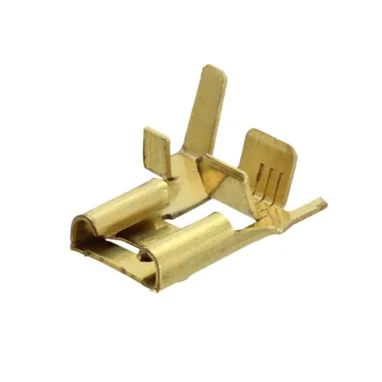
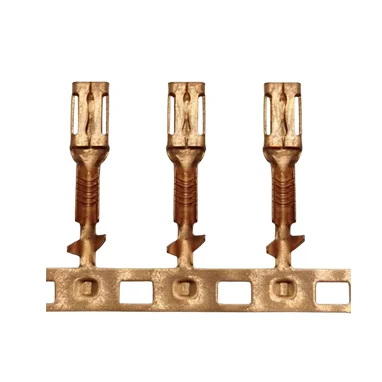
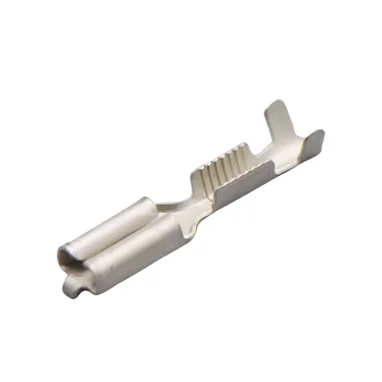
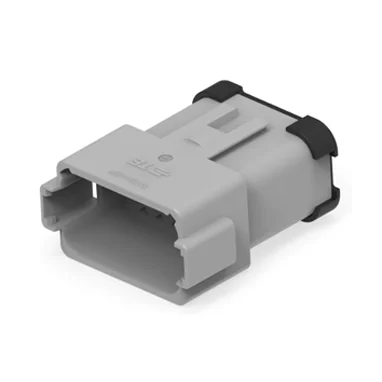
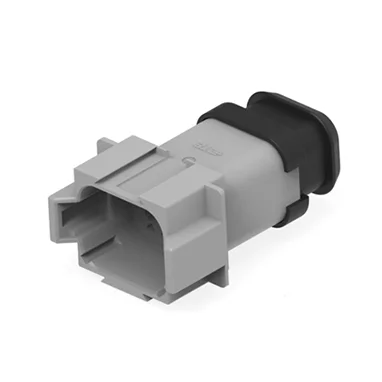
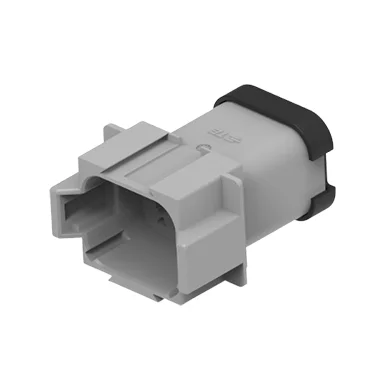
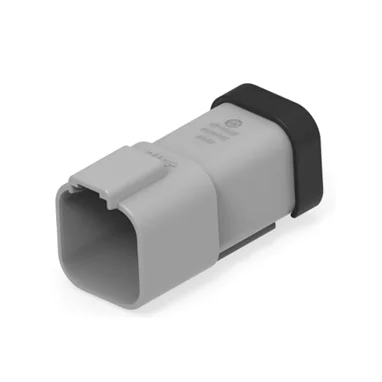
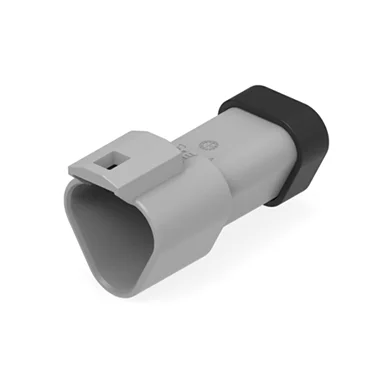
In the automotive industry, connectors play a crucial role in ensuring the smooth transmission of electrical signals and power between various components. The choice of contact plating for automotive connectors can significantly affect their performance, durability, and overall efficiency. Among the most common options for contact plating are gold and tin. Both have their advantages and drawbacks, depending on the application environment, electrical requirements, and mechanical performance needs. In this article, we will compare gold and tin plating for automotive connectors, examining factors such as durability, insertion force, and environmental impact to help you choose the right plating for your needs.
Understanding Contact Plating in Automotive Connectors
Automotive connectors are essential components in the electrical systems of vehicles. They facilitate the transfer of signals and power between different parts, ensuring the proper functioning of key systems, such as the engine control unit (ECU), sensors, and lights. The contact plating on these connectors plays a critical role in minimizing contact resistance, improving the longevity of the connector, and ensuring reliable performance.
Gold plating is often considered the best choice for high-reliability applications, offering excellent durability and corrosion resistance. It requires minimal pressure to create a stable electrical connection, making it ideal for applications that demand frequent mating and unmating, such as in high-precision circuits and sensors.
On the other hand, tin plating is more commonly used for applications where cost is a primary consideration, offering good performance but at a lower cost compared to gold. Tin is more prone to wear over time, especially under high mechanical stress, which can lead to increased insertion force and potential contact corrosion.
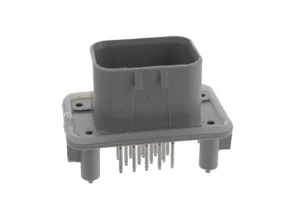
The Key Factors Influencing the Choice of Plating
There are several important factors to consider when selecting the appropriate plating for automotive connectors:
1. Mating Requirements
The mating cycle, or the number of times the connector will be plugged and unplugged, is a critical factor in plating selection. High-reliability applications such as those found in electric vehicles (EVs) often require connectors with high mating durability, usually over 10,000 cycles. Gold plating, with its low friction and high corrosion resistance, is ideal for connectors subjected to frequent mating cycles.
2. Application Environment
The environment in which the connector will operate plays a significant role in the plating choice. Connectors used in harsh environments, such as under the hood of a car where temperatures are high, may be exposed to moisture, dirt, and chemicals. In such cases, gold plating is often preferred due to its excellent corrosion resistance, which helps maintain consistent electrical performance in such challenging conditions.
Conversely, tin plating can be more suitable for connectors in less demanding environments, where corrosion risk is lower. However, tin-plated connectors may face issues like fretting corrosion and micro-motion corrosion in high-vibration environments, which can degrade their performance over time.
3. Electrical Requirements
Gold plating excels in low-resistance applications, providing stable contact resistance even in high-frequency circuits. This makes it the preferred choice for signal transmission connectors, such as those used in electronic control units (ECUs) or advanced driver-assistance systems (ADAS). Tin plating, while providing a reliable electrical connection, tends to have higher contact resistance and is less stable in applications requiring consistent signal quality.
Gold vs Tin: Performance and Durability
1. Durability and Wear Resistance
Gold plating is known for its excellent durability and wear resistance, particularly in applications where connectors undergo repeated mating and unmating. Gold’s self-healing properties and low friction make it the ideal choice for connectors that need to withstand high mechanical stress without losing electrical integrity. Tin plating, in contrast, is more prone to wear, especially when subjected to constant mechanical forces. This wear can lead to increased contact resistance and reduced performance over time.
2. Insertion Force and Mechanical Performance
Insertion force, or the amount of force required to connect or disconnect a connector, is influenced by the plating material. Gold-plated connectors require less insertion force due to their low friction coefficient, which facilitates smoother mating and unmating cycles. Tin-plated connectors, on the other hand, require higher insertion forces due to the increased friction between the connector surfaces. This can lead to higher mechanical wear and potential issues with the connector’s longevity.
The Impact of Temperature and Environmental Factors
Connectors exposed to extreme temperatures, humidity, and chemical environments can experience changes in the electrical properties of their plating. Gold plating offers excellent resistance to oxidation and corrosion, even in high-temperature environments. It maintains a stable electrical connection over a wide temperature range, making it suitable for automotive connectors exposed to heat, humidity, and moisture.
In contrast, tin plating can be more vulnerable to environmental factors, such as moisture and chemicals. Tin’s susceptibility to oxidation can lead to increased contact resistance and potential failure of the connector over time. However, tin plating’s lower cost makes it a viable option for less demanding applications where environmental exposure is minimal.
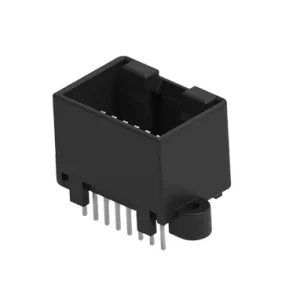
Selecting the Right Plating for Your Application
The choice between gold and tin plating ultimately depends on the specific requirements of the automotive connector application. Here are some general guidelines:
- Gold Plating: Best suited for high-reliability, high-frequency, and high-durability applications where connectors are frequently mated and unmated. Ideal for connectors used in harsh environments, such as under the hood of vehicles, where long-lasting performance is crucial.
- Tin Plating: Suitable for lower-cost applications where frequent mating is not required, and the connector will be exposed to less extreme environmental conditions. Tin plating is also appropriate for high-current applications, where contact resistance is less critical.
Conclusion: Optimize Your Connector Performance with the Right Plating
Choosing the right contact plating for automotive connectors is essential for ensuring reliable and long-lasting performance. Gold plating offers superior durability, low contact resistance, and excellent corrosion resistance, making it ideal for high-reliability applications. Tin plating, while more cost-effective, is better suited for applications with less stringent performance requirements.
At Jingu, we specialize in providing high-quality automotive connectors with both gold and tin plating options, ensuring that your connector system meets your specific performance, durability, and cost needs. Whether you’re looking for connectors for high-frequency circuits or high-current applications, our connectors are designed to deliver superior performance and reliability. Contact us today to learn more about our products and how we can help optimize your automotive electrical systems.