Automotive manufacturers are constantly looking for ways to reduce vehicle weight and improve energy efficiency. One practical approach is replacing traditional copper wires with aluminum wires in automotive wiring harnesses. Aluminum is lighter than copper and is widely available, which makes it attractive for modern vehicle designs, especially in electric vehicles and hybrid systems.
However, despite these advantages, aluminum conductors introduce several technical challenges. Compared with copper, aluminum has different mechanical and electrical characteristics. As a result, special connection technologies are required when aluminum wires are connected to terminals. Without proper connection methods, issues such as corrosion, oxidation, and unstable electrical performance may occur. Therefore, the development of reliable aluminum wire–terminal connection technologies has become an important topic in the automotive wiring harness industry.
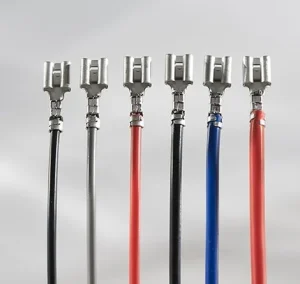
Key Challenges in Aluminum Wire Connections
Before discussing specific connection technologies, it is helpful to understand the main challenges associated with aluminum conductors.
First of all, electrochemical corrosion can occur when aluminum and copper are directly connected. Because these two metals have different electrochemical potentials, corrosion may develop when moisture or salt is present. Over time, this corrosion can increase contact resistance and reduce electrical reliability.
In addition, aluminum oxidation is another important concern. Aluminum easily forms an oxide layer on its surface when exposed to air. This oxide layer has relatively poor electrical conductivity and may interfere with the electrical connection between the wire and the terminal. Therefore, the connection process must remove or break this oxide layer to achieve stable conductivity.
Furthermore, thermal creep can occur under high temperatures. Automotive electrical systems often operate in environments where temperatures fluctuate. Aluminum is more sensitive to creep than copper, which means that under long-term heat exposure the conductor may deform slightly, potentially weakening the mechanical connection.
Because of these factors, automotive wiring harness manufacturers have developed several specialized connection technologies to ensure reliable performance.
Friction Welding with Crimping Technology
To address these challenges, one commonly used solution is friction welding combined with crimping.
In this method, a copper rod and an aluminum rod are first joined together through friction welding. During this process, the materials are pressed together while rotating, creating heat and forming a strong metallurgical bond between the copper and aluminum. This welding step creates a copper–aluminum transition zone that improves compatibility between the two metals.
After welding, the copper section is formed into the electrical connection terminal, while the aluminum section becomes the crimping barrel. The aluminum wire is then inserted into the aluminum barrel and crimped using standard wiring harness crimping equipment.
One major advantage of this approach is that the copper–aluminum alloy transition zone reduces the risk of electrochemical corrosion. At the same time, the crimping process compresses the aluminum wire strands and breaks the oxide layer on the conductor surface. This allows the aluminum strands to form a tight metal-to-metal contact, improving both electrical conductivity and mechanical strength.
Friction Welding Connection
Another widely used technology is direct friction welding between aluminum conductors and copper terminals.
In this process, the aluminum wire is first compressed using an aluminum sleeve. The sleeve reshapes the wire strands into a compact circular structure. Afterward, the end surface is machined to prepare a smooth welding interface.
The prepared aluminum conductor is then friction-welded to a copper terminal. During welding, the rotating motion and pressure generate heat that bonds the two materials together. Once the welding is complete, any excess material around the joint is removed through machining.
This method creates a direct copper-to-aluminum metallurgical connection, which improves joint strength and reduces the risk of corrosion. In addition, the welded structure can provide strong mechanical pull resistance.
However, the process also requires dedicated friction welding equipment. For some wiring harness manufacturers, the need for specialized machinery may increase production costs and equipment investment.
Ultrasonic Welding Technology
Another common solution in automotive wiring harness production is ultrasonic welding.
In ultrasonic welding, high-frequency vibration is applied through a welding head that presses the aluminum wire and copper terminal together. The vibration causes friction at the contact surface, which breaks the oxide layer and allows the metal atoms to bond together.
During this process, the individual aluminum strands are also welded together. As a result, a solid electrical path is formed between the wire and the terminal.
One important advantage of ultrasonic welding is that many wiring harness manufacturers already use ultrasonic equipment in their production lines. Therefore, this method can often be implemented without significant additional investment. In addition, standard stamped copper terminals can be used, which helps reduce component costs.
Nevertheless, ultrasonic welding joints may have lower resistance to vibration compared with some other connection methods. Because of this characteristic, the method is generally used in areas where vibration levels are moderate.
Plasma Welding Technology
Finally, plasma welding is another technology used for aluminum wire–terminal connections.
In this method, the aluminum wire is first crimped into the copper terminal to create a basic mechanical connection. Afterward, a zinc-based filler material is added to the welding area. A plasma arc is then applied to heat the filler material until it melts.
Once melted, the filler flows into the small gaps within the crimped area through capillary action. This filling process seals the connection and creates a transition layer between the copper terminal and the aluminum conductor.
The presence of this transition layer helps isolate the two metals, which reduces electrochemical corrosion. In addition, the filler material strengthens the joint and improves electrical performance by reducing contact resistance.
However, plasma welding requires specialized welding equipment and process control. As a result, some manufacturers may face higher equipment costs when adopting this technology.
Conclusion
In summary, aluminum conductors are becoming increasingly common in modern automotive wiring harnesses due to their lightweight characteristics and cost advantages. Nevertheless, reliable connections between aluminum wires and terminals remain a critical technical requirement.
To address issues such as corrosion, oxidation, and thermal creep, the automotive industry has developed several connection technologies, including friction welding with crimping, direct friction welding, ultrasonic welding, and plasma welding. Each method offers specific advantages and is suitable for different production environments and application requirements.
As vehicle electrification continues to advance, the importance of stable and durable wire-to-terminal connections will only increase. Continuous improvement in connection technologies will help ensure the long-term performance and safety of automotive electrical systems.
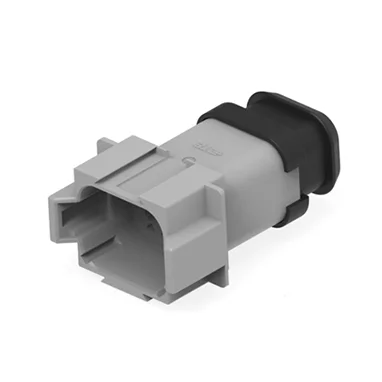
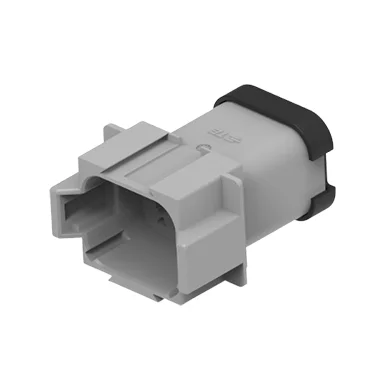
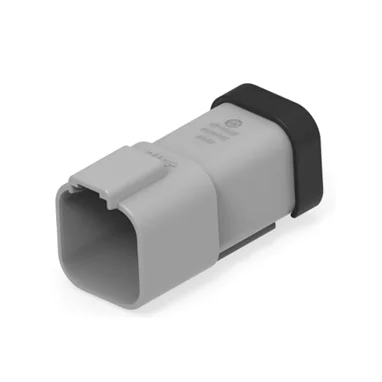
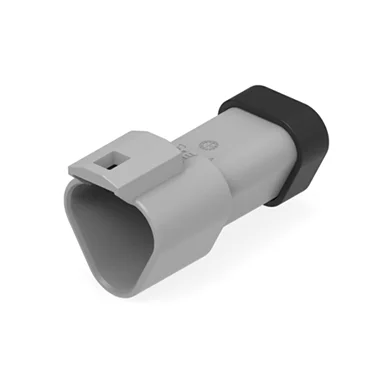
If you are looking for reliable solutions for automotive electrical connections, Jingu can help. As an experienced automotive connector supplier, Jingu provides high-quality connector components designed for modern automotive wiring systems. Our products are developed to support stable electrical performance, reliable mechanical strength, and long service life in demanding vehicle environments.
Contact Jingu today to learn more about our automotive connector solutions and how we can support your next project.