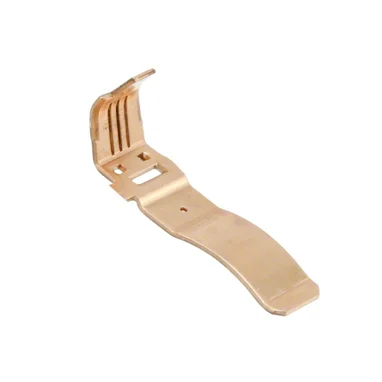
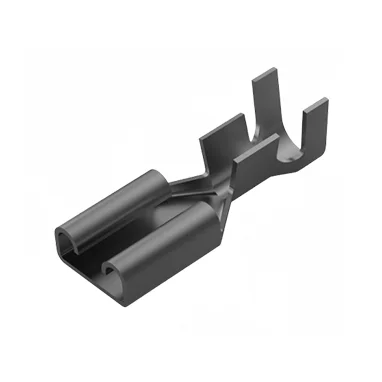
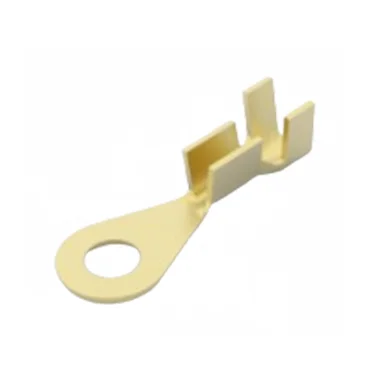
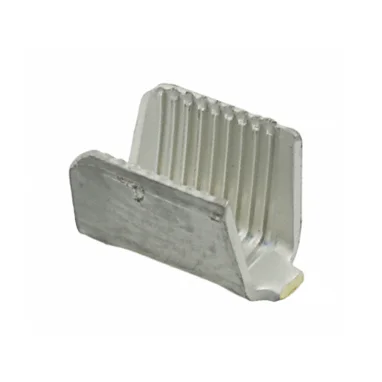
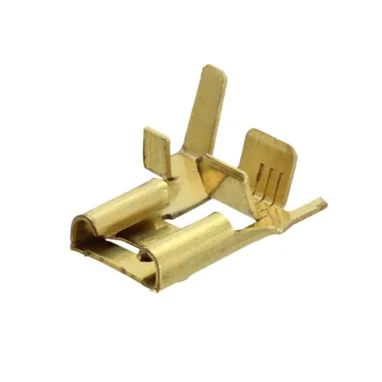
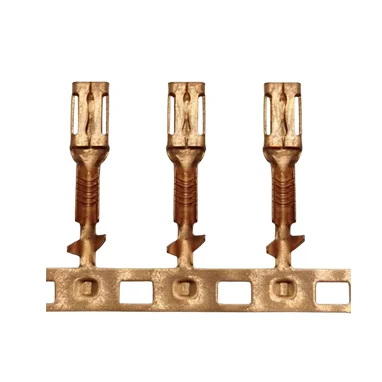
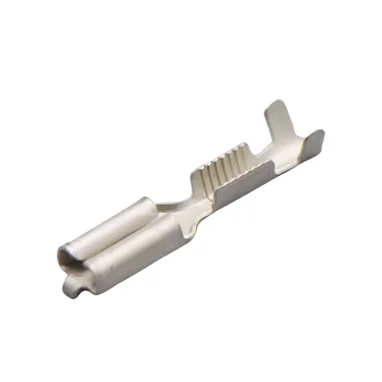
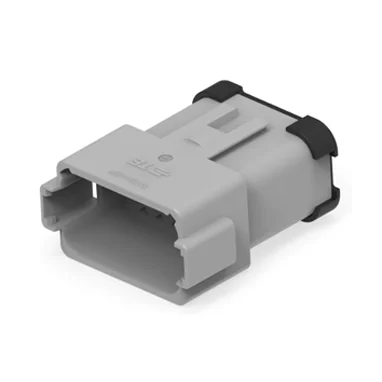
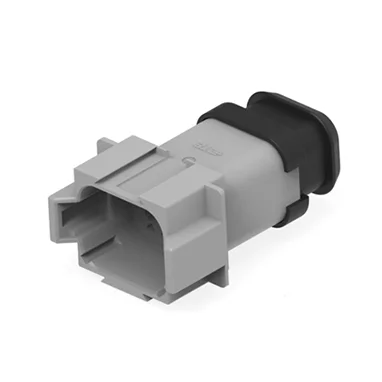
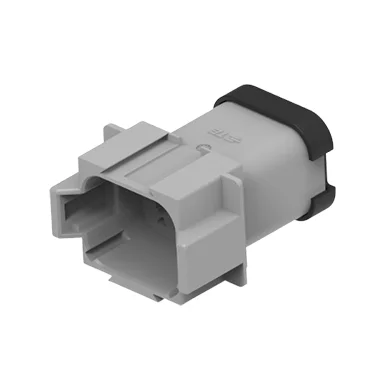
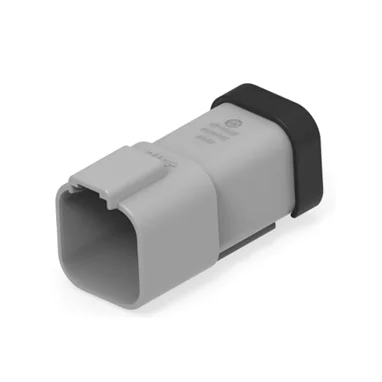
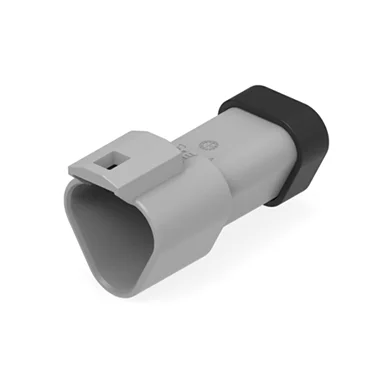
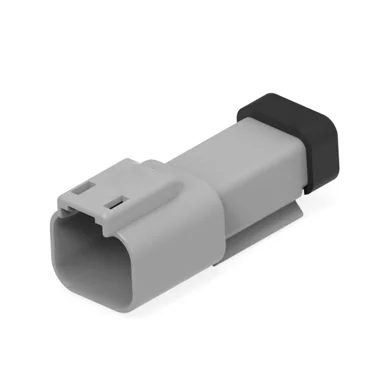
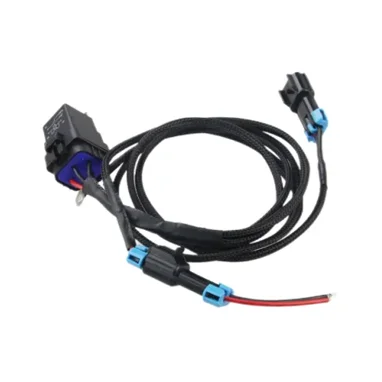
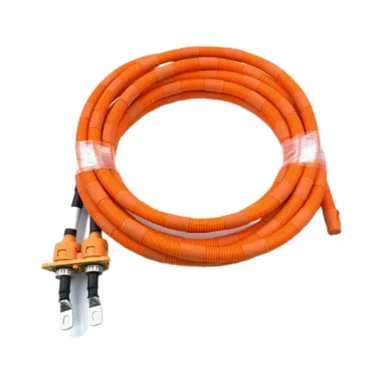
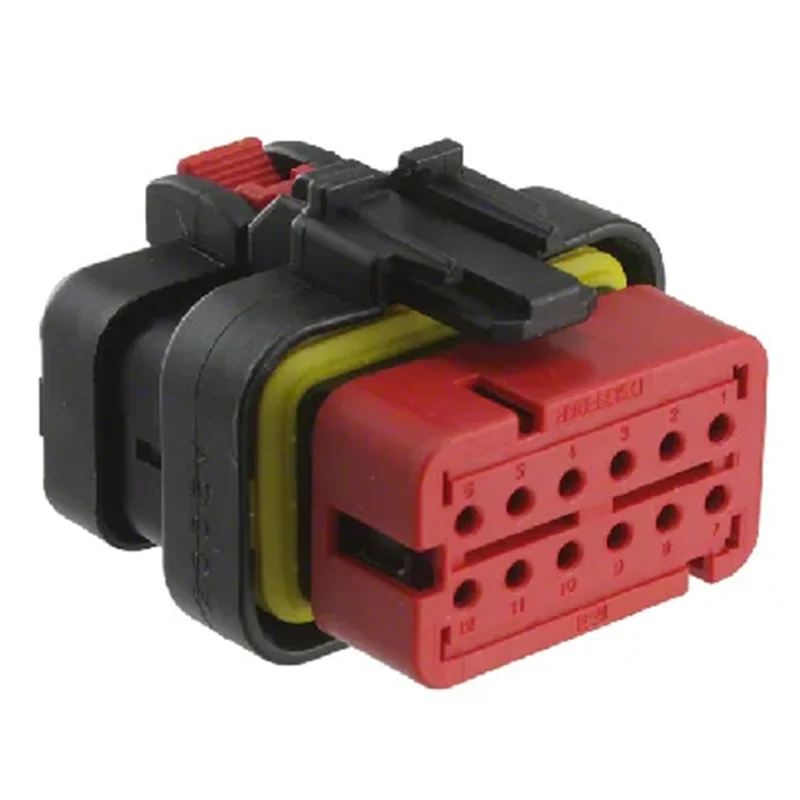
As the automotive industry continues to innovate and evolve, the demands for connector technology have also intensified. Particularly, the increasing density of electrical connectors in modern vehicles—driven by the rise of electric vehicles (EVs), autonomous driving, and advanced infotainment systems—has made the design of connectors more complex. One of the most important aspects in connector design is controlling the insertion and extraction force, which affects both the ease of assembly and the overall performance of the connector. This article will explore how different coatings and thicknesses impact the insertion and extraction forces of automotive connector terminals, highlighting their role in the overall performance of electrical systems.
Introduction to Insertion and Extraction Forces in Automotive Connectors
Insertion and extraction forces refer to the amount of force required to insert or remove a connector terminal from its mating counterpart. These forces are critical not only for ease of installation and maintenance but also for the long-term reliability of the electrical connections. In an automotive setting, these forces are especially crucial due to the constant vibrations, temperature fluctuations, and environmental stresses that connectors endure.
Why Do We Need to Control These Forces?
When connectors are inserted or removed repeatedly, they undergo mechanical stress that could cause damage or degrade their electrical performance. Therefore, it’s important to manage insertion and extraction forces to ensure minimal wear and tear on both the connectors and the contacts. The insertion force should be sufficient to ensure a solid connection, but not so high that it causes difficulty during assembly or leads to terminal damage. Similarly, extraction forces should not be too high to avoid difficulties in disconnection or premature wear.
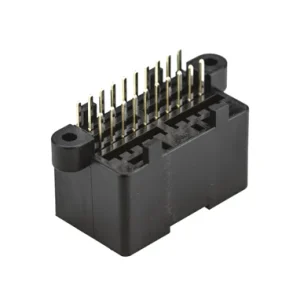
Types of Coatings Used in Connector Terminals
Connector terminals are typically made of copper alloys due to their excellent electrical conductivity. However, copper alone is prone to corrosion, which can degrade the performance of connectors. To prevent corrosion and enhance durability, copper terminals are usually coated with a variety of materials. The most common coatings used for automotive connector terminals include:
1. Tin Coating
Tin is one of the most commonly used coatings in automotive connectors. It offers good corrosion resistance and is relatively inexpensive. Tin-coated terminals are easy to manufacture and provide adequate electrical conductivity. However, tin coatings can suffer from issues like tin whiskers, which can short-circuit connectors in some conditions.
2. Gold Coating
Gold is often used in high-performance automotive connectors, particularly those involved in signal transmission. Gold provides excellent corrosion resistance, low contact resistance, and stable electrical properties over time. However, gold-coated terminals tend to be more expensive than their tin-coated counterparts.
3. Silver Coating
Silver is another high-performance coating widely used in automotive connectors. It offers superior conductivity compared to gold and tin. Silver-coated terminals are commonly used in high-current applications. However, silver can tarnish over time, which may lead to increased contact resistance and reduced performance.
4. Nickel Coating
Nickel is often used as a base layer under other coatings, such as gold or tin, to improve adhesion. Nickel coatings provide good corrosion resistance, but their primary role is often as an undercoat. Nickel-plated terminals are usually used in applications where corrosion resistance is less critical.
The Impact of Coating Thickness on Insertion and Extraction Forces
The thickness of the coating on connector terminals significantly affects both the insertion and extraction forces. A thicker coating generally results in a higher insertion force due to increased friction during mating. This is particularly true for coatings like gold and tin, which are often applied in multiple layers.
1. Thin Coatings and Lower Insertion Force
When a thin coating is applied, the insertion force tends to be lower because there is less material to create friction. However, thin coatings may not provide sufficient protection against corrosion or wear, potentially reducing the overall lifespan of the connector. Therefore, thin coatings are typically used in applications where the connector is not exposed to harsh environmental conditions.
2. Thick Coatings and Higher Insertion Force
On the other hand, thicker coatings, especially those made of gold or silver, often result in higher insertion forces. The increased thickness leads to greater surface area contact between the mating parts, which increases the friction. While thicker coatings offer superior protection against corrosion and wear, the trade-off is the higher force required to insert or remove the connector.
3. Optimizing Coating Thickness
To optimize the coating thickness, manufacturers need to consider the balance between ensuring adequate corrosion resistance and minimizing friction. The thickness must be sufficient to protect the connector from environmental stresses, such as moisture and temperature fluctuations, but not so thick as to make the insertion and extraction process cumbersome or wear down the connector prematurely.
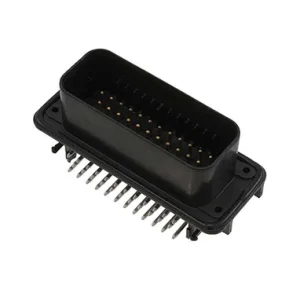
The Role of Surface Finish and Coating Uniformity
The surface finish of the coating also plays a crucial role in the insertion and extraction forces. A smooth and uniform coating helps reduce friction during the mating process, while a rough or uneven surface can cause increased resistance. For example, gold coatings, when applied smoothly, result in lower insertion and extraction forces, whereas uneven gold plating can lead to inconsistent electrical contact and increased mechanical resistance.
1. Uniform Coatings for Optimal Performance
To achieve optimal performance, manufacturers must ensure that the coatings are applied uniformly. Uneven plating can lead to areas of higher resistance, affecting the connector’s long-term reliability. Furthermore, the quality of the coating also impacts the contact resistance, which is a critical factor in high-performance applications.
2. The Impact of Surface Treatment
Additional surface treatments, such as polishing or smoothing after plating, can further reduce the friction between the connector parts, improving both the insertion and extraction forces. These treatments help create a smooth, low-resistance interface that ensures a secure, easy-to-use connection.
Conclusion: Choosing the Right Coating and Thickness for Automotive Connectors
The choice of coating and its thickness are critical factors in determining the insertion and extraction forces of automotive connector terminals. A balance must be struck between providing adequate corrosion resistance and ensuring ease of assembly and long-term reliability. Automotive manufacturers must carefully evaluate the environmental conditions, application requirements, and cost considerations when selecting coatings for their connectors.
By understanding how different coatings and their thicknesses affect the mechanical and electrical properties of connectors, manufacturers can make more informed decisions about the best coating options for their products.
If you are looking for high-quality, durable automotive connectors with optimized coating solutions, Jingu, a trusted automotive parts manufacturer, offers a wide range of connectors designed to meet your performance and reliability standards. Contact us today to learn more about our comprehensive product line and how we can support your needs for press-fit connections and more.